by Nikos Chatzis | 24 Sep, 2026 | Ancient Greek Philosophy, Geopolitics, The Techne–Phronesis Negotiation Framework™, War
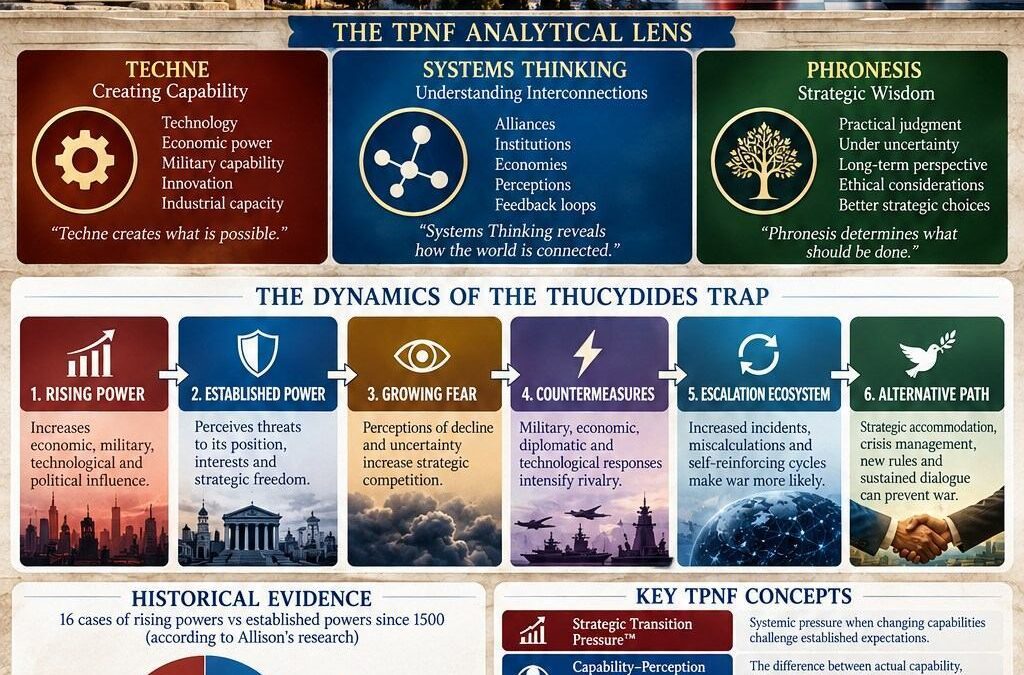
This essay examines the Thucydides Trap through TPNF and asks whether great-power transitions should be understood as predetermined pathways toward war or as complex adaptive processes whose outcomes remain influenced by strategic judgment. The argument is that structural pressure creates strategic risk—but Phronesis determines how actors respond to that risk.
by Nikos Chatzis | 23 Sep, 2026 | Geopolitics, The Techne–Phronesis Negotiation Framework™, War
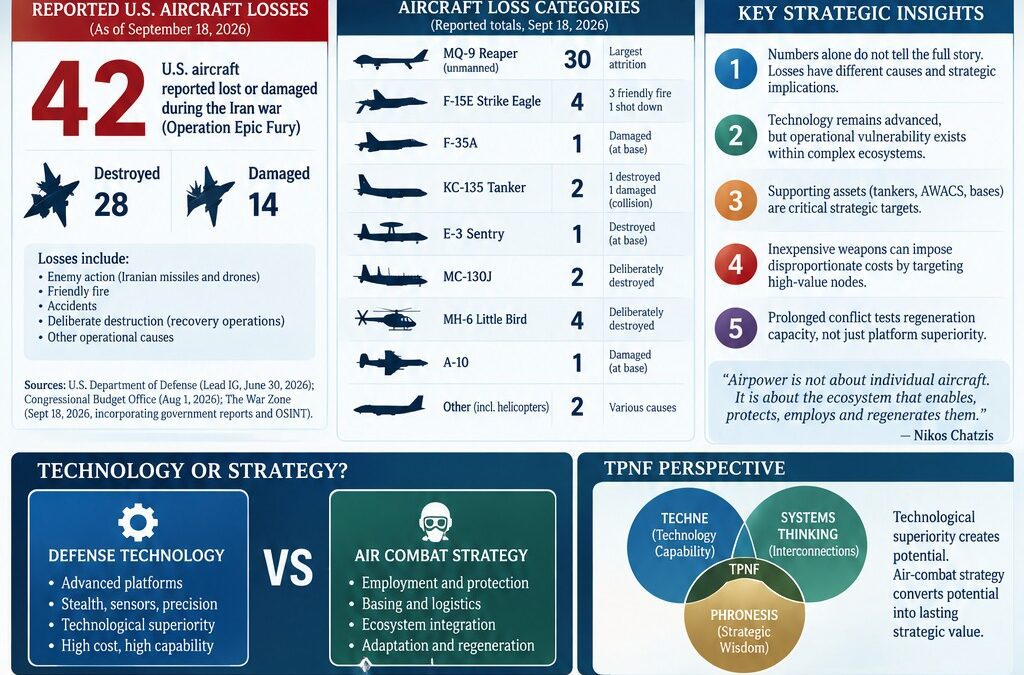
This TPNF essay examines reported U.S. aircraft casualties during the Iran war through a distinction between Defense Technology and Air Combat Strategy. The central question is: When technologically advanced aircraft are lost or damaged, does this indicate technological vulnerability—or the strategic difficulty of sustaining a complex airpower ecosystem during prolonged warfare?
by Nikos Chatzis | 21 Sep, 2026 | Economy, Geoeconomy, Geopolitics, Global Economy, Global Trade, The Techne–Phronesis Negotiation Framework™, War
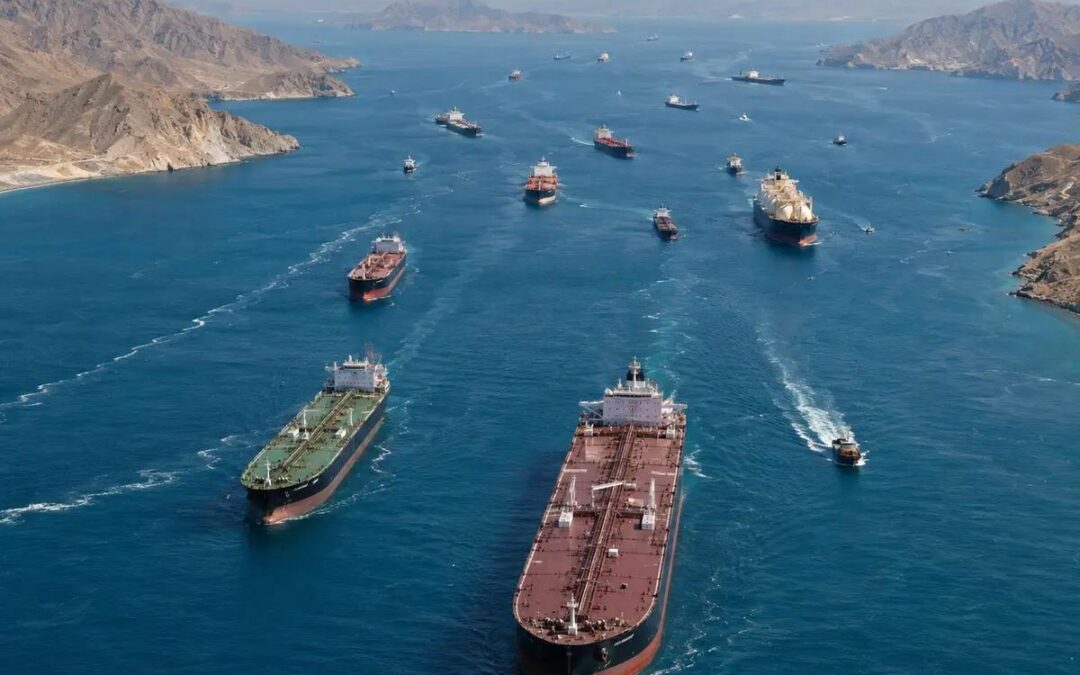
This TPNF essay examines why a single unattributed attack against a commercial tanker can acquire strategic significance far beyond the physical damage it causes. The central question is:
How does a relatively limited event inside a critical geopolitical chokepoint alter strategic calculations when military escalation and diplomatic negotiations coexist?
by Nikos Chatzis | 18 Sep, 2026 | Geopolitics, The Techne–Phronesis Negotiation Framework™, War
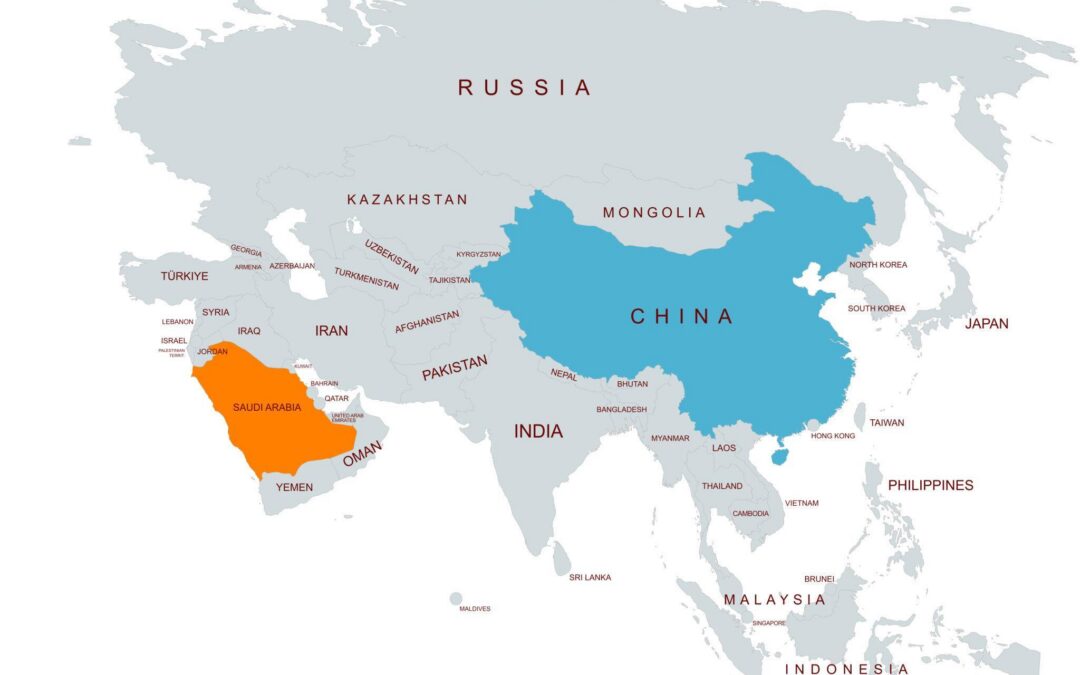
This TPNF essay examines China’s intervention with Iran over the Houthis and the continuing tensions within NATO as two contrasting cases of geopolitical ecosystem management.
The central question is: Can the ability to preserve relationships with competing actors itself become a source of strategic power?

by Nikos Chatzis | 16 Sep, 2026 | Electric Vehicle, Gasoline Price, The Techne–Phronesis Negotiation Framework™, War
This TPNF essay examines the employment and industrial consequences of the Trump administration’s reversal of U.S. EV policy and compares them with China’s continuing development of an integrated electric-vehicle ecosystem.
by Nikos Chatzis | 15 Sep, 2026 | Geopolitics, The Techne–Phronesis Negotiation Framework™, Value Creation, War
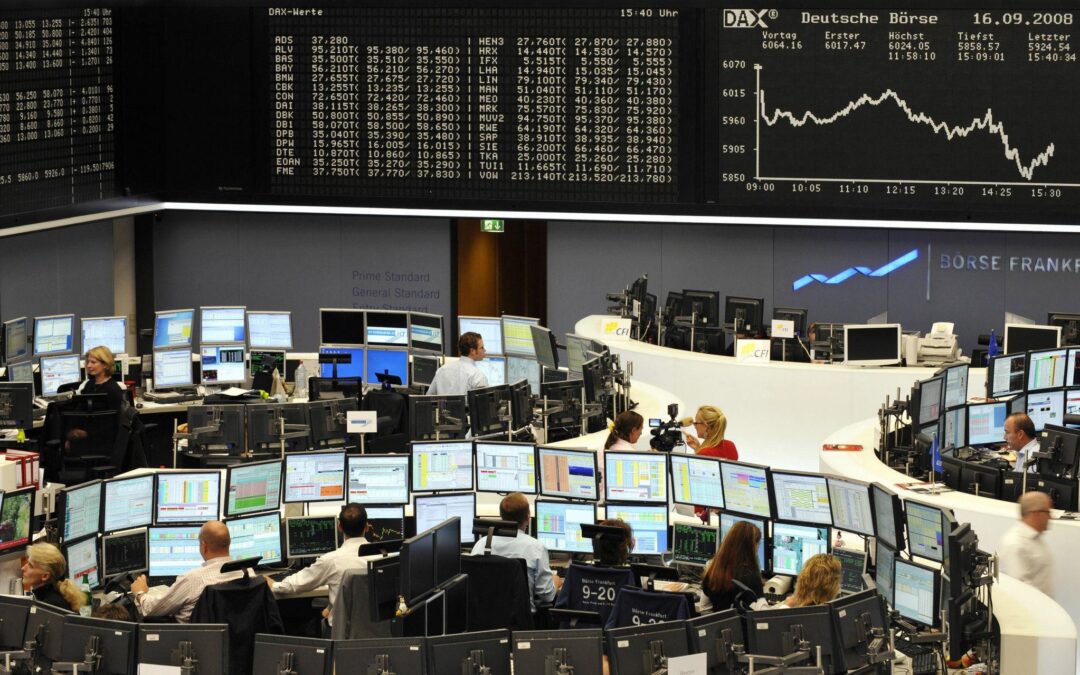
This TPNF essay examines how financial ecosystems can respond strategically to geopolitical disruption. Using the Houthi crisis and wider Middle East conflict as a contemporary case, it argues that financial resilience depends not merely on preventing instability but on connecting monetary policy, banking, capital markets, governments, technology and institutional coordination into an adaptive ecosystem.