by Nikos Chatzis | 5 Oct, 2026 | Airbus, Space, The Techne–Phronesis Negotiation Framework™, Value Creation
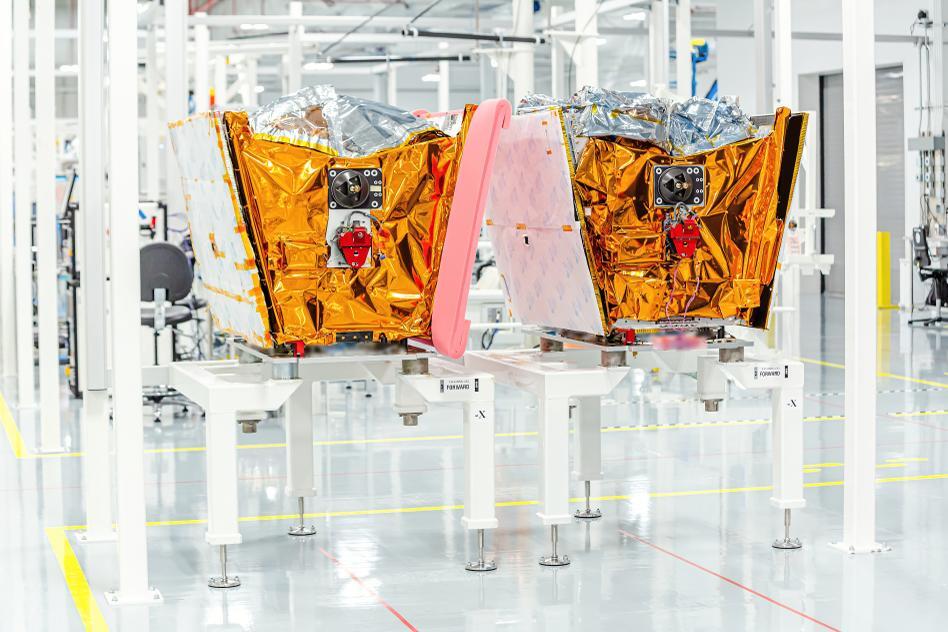
Airbus announced on October 2, 2026, that it had completed the first 32 next-generation OneWeb Low Earth Orbit satellites for Eutelsat. They represent the first wave of a programme eventually involving 669 new satellites. The objective is not simply constellation expansion. Older spacecraft approaching the end of their operational lives will progressively be replaced while network capabilities are enhanced. This creates an ideal practical case for testing a fundamental TPNF question: When does a collection of satellites become an ecosystem capable of creating Long-Term Space Value™?
by Nikos Chatzis | 28 Sep, 2026 | Space, The Techne–Phronesis Negotiation Framework™, Value Creation
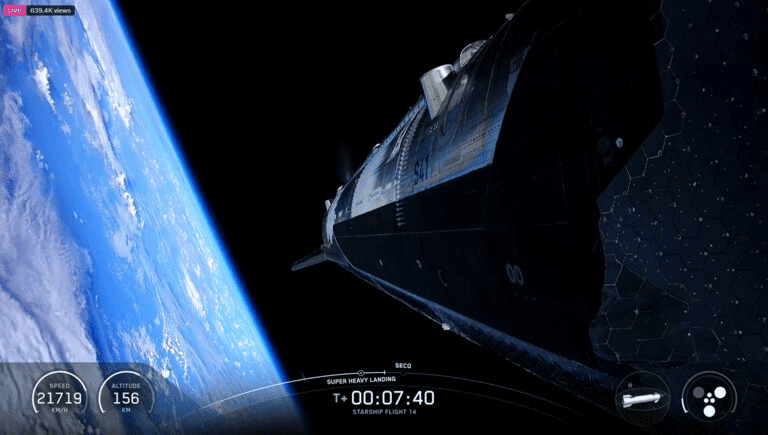
This TPNF essay examines Starship Flight 14 through the TPNF distinction between technological achievement and lasting strategic value. The central argument is that the September 28 mission matters because Starship did not merely fly into orbit. It delivered operational infrastructure into space.
This represents a movement from: Experiment → Capability → Operational Utility → Ecosystem Expansion → Regeneration → Long-Term Space Value™.
by Nikos Chatzis | 28 Sep, 2026 | Space, Technology Ecosystems, Technology Evolution, The Techne–Phronesis Negotiation Framework™
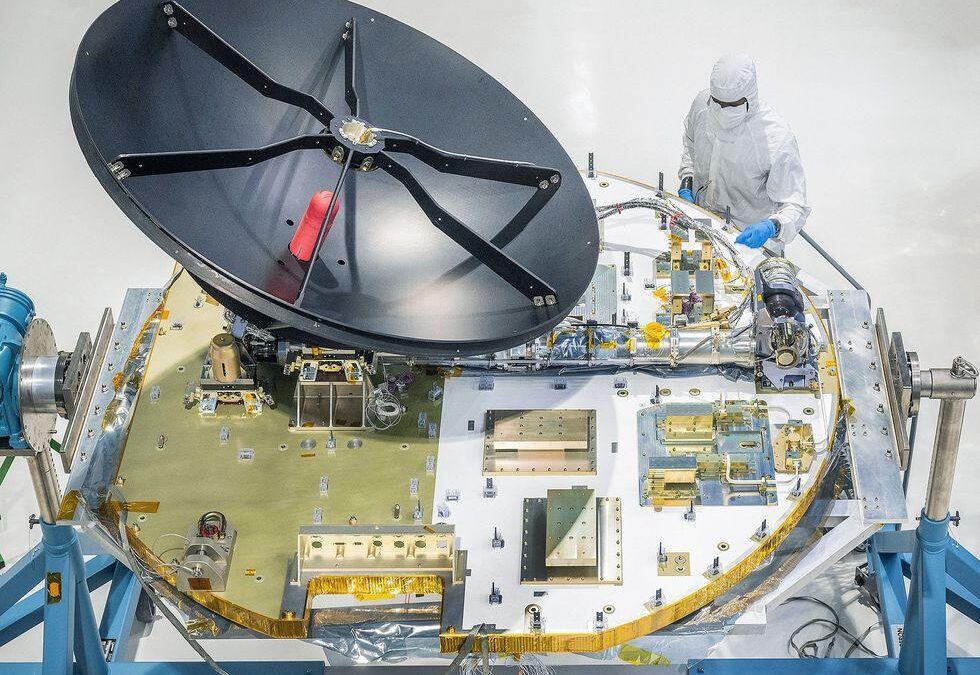
This TPNF essay examines the Roman ground-station network as more than supporting infrastructure.
It argues that global communications, Big Data, computing, artificial intelligence and international scientific collaboration are becoming inseparable from the telescope itself. The strategic unit of modern astronomy is increasingly the Scientific Knowledge Ecosystem™.
by Nikos Chatzis | 22 Sep, 2026 | Space, The Techne–Phronesis Negotiation Framework™, Value Creation
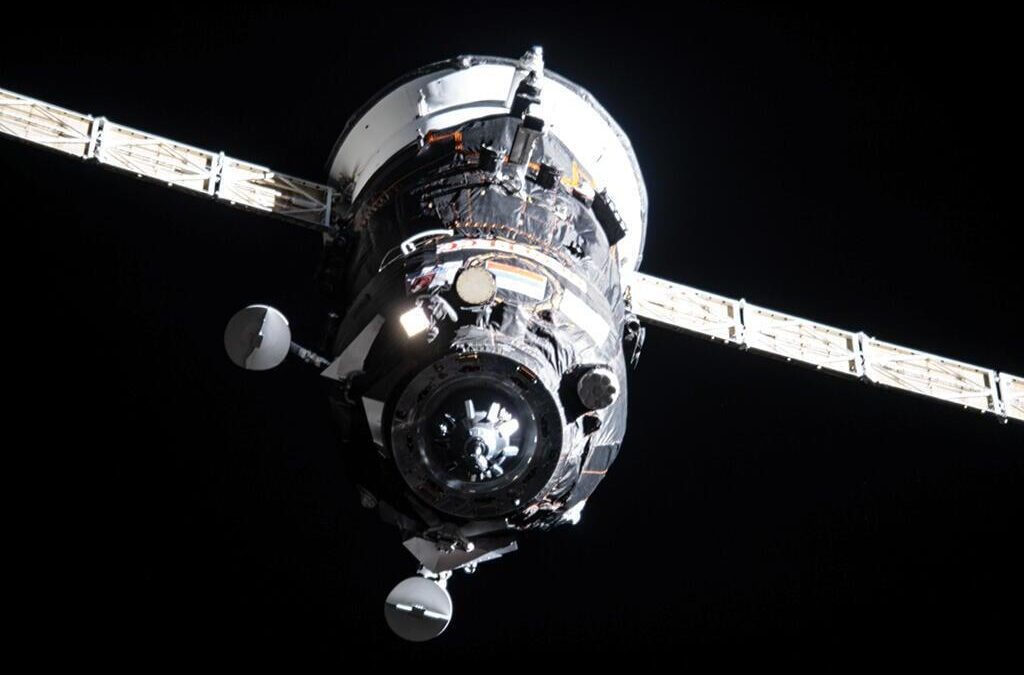
This TPNF essay examines the Progress 96 mission not simply as an ISS resupply flight but as an example of how repeated orbital logistics can generate cumulative strategic value. The central question is: Can routine space operations continuously transform consumable resources into enduring capabilities for humanity beyond Earth?
by Nikos Chatzis | 21 Sep, 2026 | Space, Technology Ecosystems, The Techne–Phronesis Negotiation Framework™
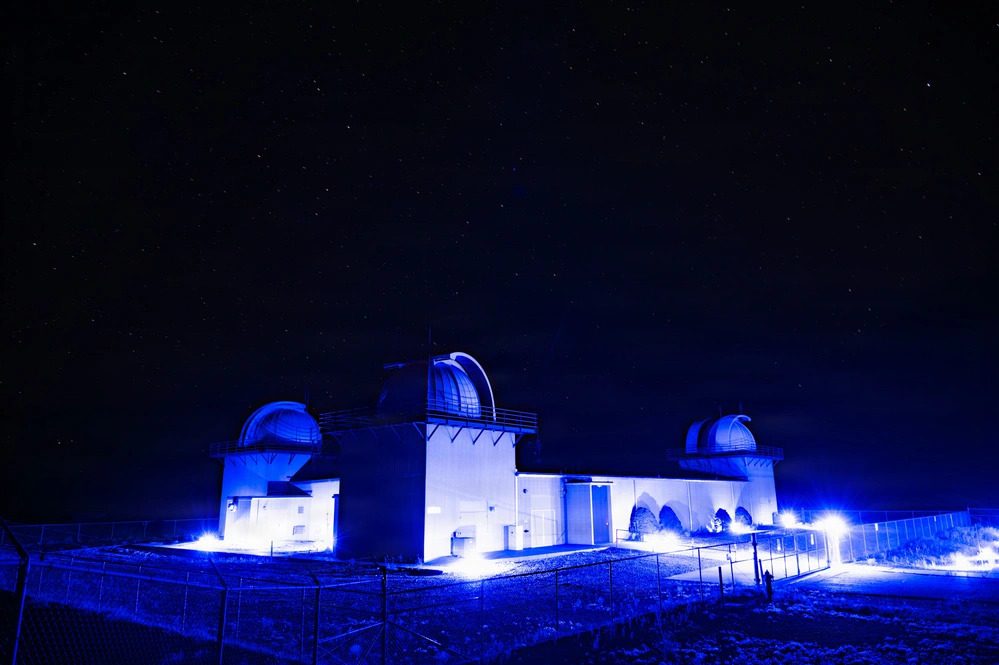
This TPNF essay explains why anti-satellite and broader counterspace capabilities have become increasingly important to U.S. defense strategy. The central question is: Why has control of orbital infrastructure become essential to military capability on Earth?
by Nikos Chatzis | 15 Sep, 2026 | Space, The Techne–Phronesis Negotiation Framework™
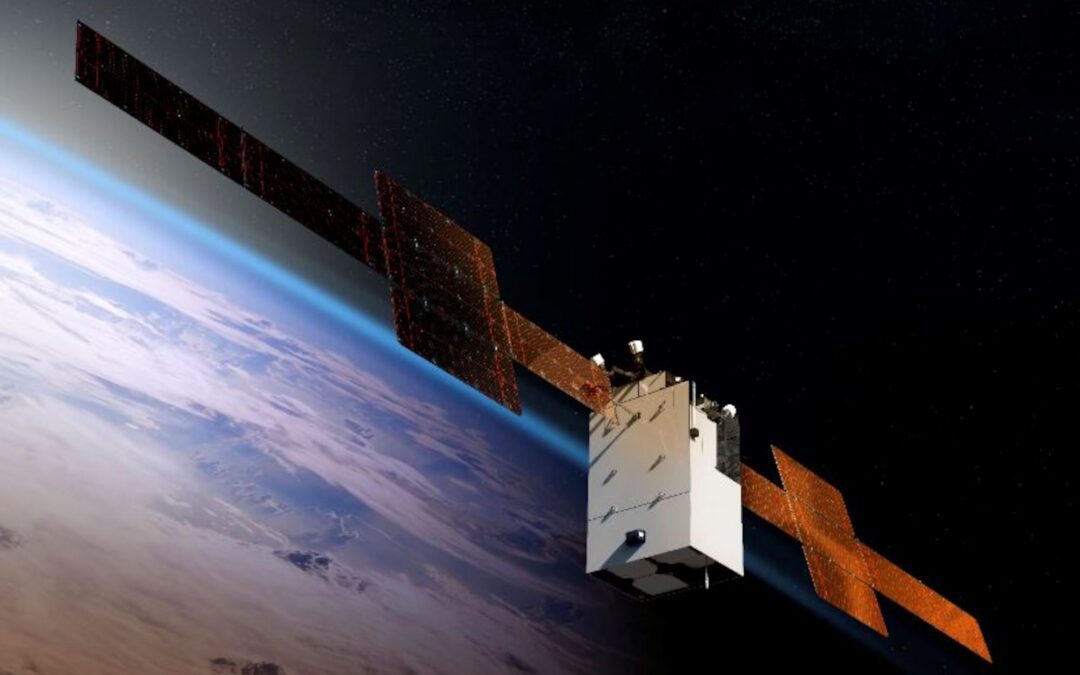
This TPNF essay examines the technological reality behind emerging space weapons and their geopolitical implications. TPNF argues that orbital military power should not be understood through individual weapons alone. Strategic advantage will increasingly emerge from interconnected ecosystems combining satellites, sensors, artificial intelligence, communications, cyber capabilities, launch infrastructure, autonomous spacecraft and human decision-making.