by Nikos Chatzis | 11 Oct, 2026 | Ancient Greek Philosopphy, Technological Civilization, Technology Ecosystems, Technology Evolution, Technology Transfer, The Techne–Phronesis Negotiation Framework™
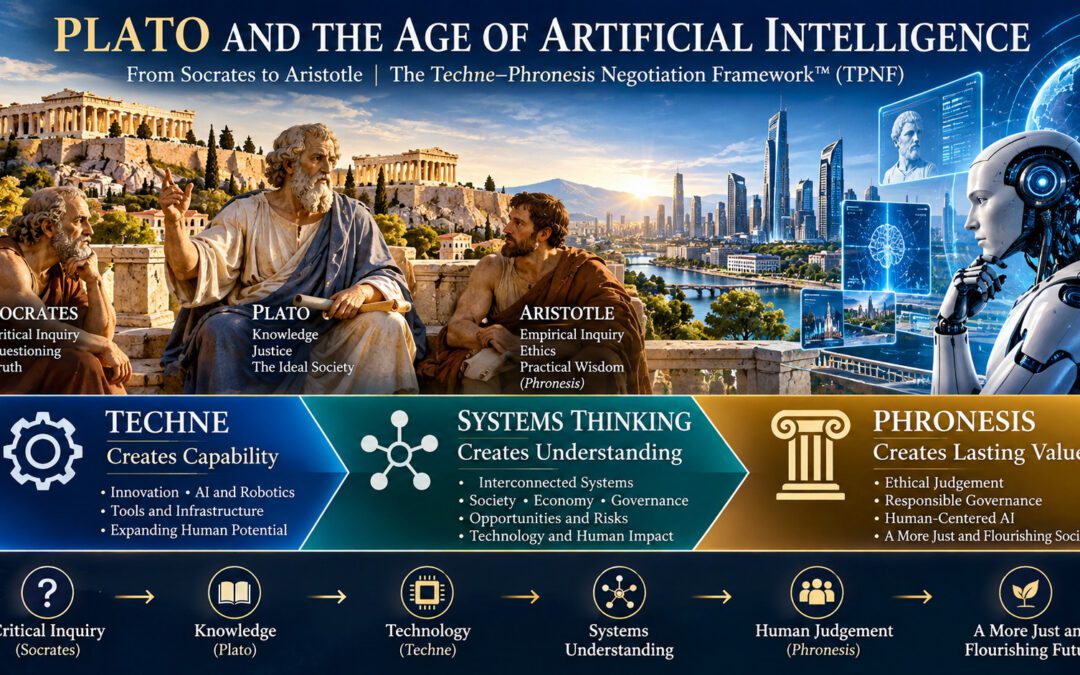
This TPNF essay examines the intellectual progression from Socrates through Plato to Aristotle and explores its relevance to contemporary technological evolution. Its purpose is not to suggest that ancient Greek philosophers anticipated artificial intelligence. Rather, it investigates how their questions about knowledge, human judgement, education and governance can help societies evaluate emerging technological capabilities.
by Nikos Chatzis | 9 Oct, 2026 | Ancient Greek Philosophy, Ecosystem Dynamics, Technology Ecosystems, Technology Evolution, The Techne–Phronesis Negotiation Framework™
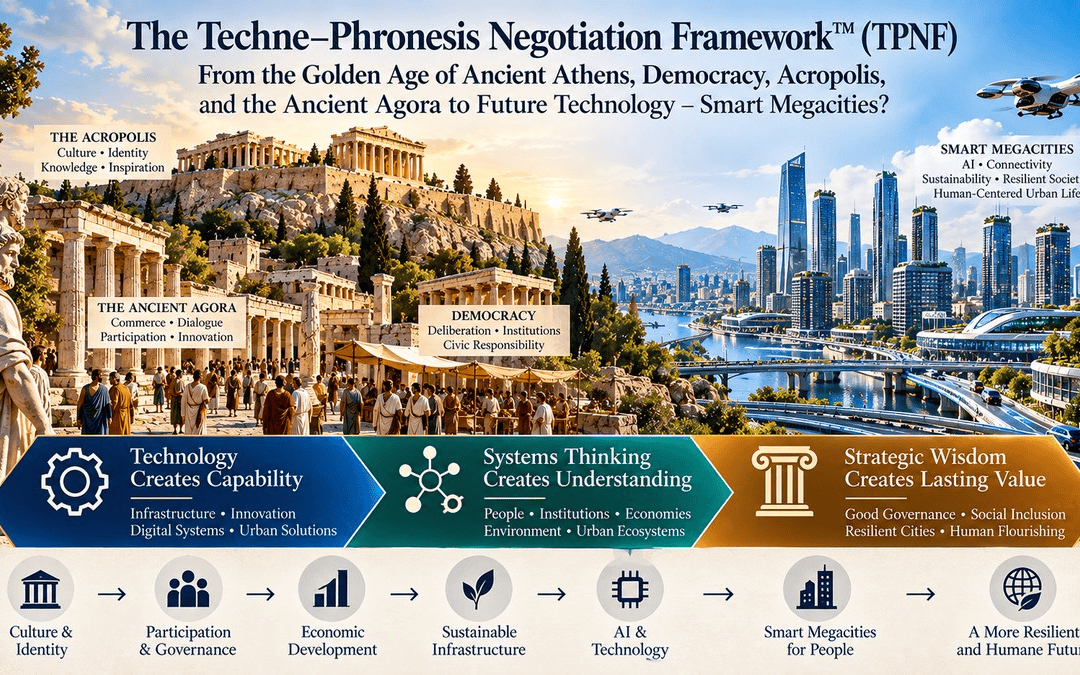
This TPNF essay explores how the institutional, cultural and technological achievements of classical Athens can inform contemporary thinking about smart megacities. It examines the Acropolis, Ancient Agora and democratic institutions as interconnected elements of an urban ecosystem. The objective is to identify strategic principles relevant to future cities governed increasingly through artificial intelligence, automated infrastructure and complex technological networks.
by Nikos Chatzis | 6 Oct, 2026 | Innovation Ecosystems, Technology Evolution, The Techne–Phronesis Negotiation Framework™
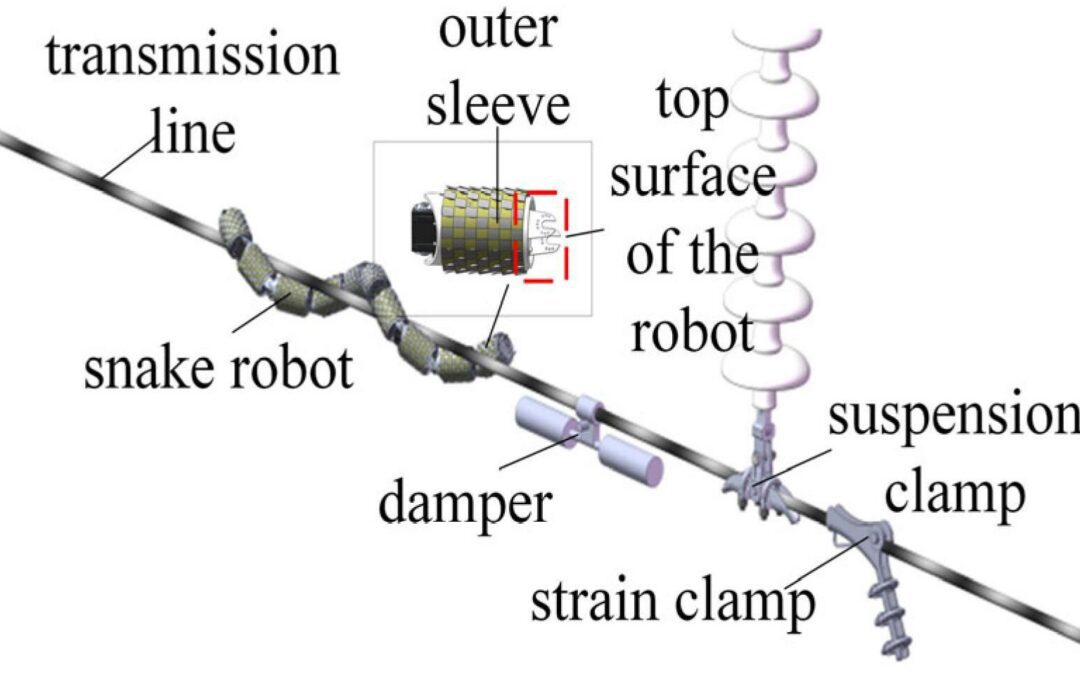
The snake-shaped inspection robot developed in Kunming provides an opportunity to examine how robotics may transform the maintenance of critical infrastructure. The deeper TPNF question is not whether a robot can inspect a power line faster than a person. It is: What happens when infrastructure begins acquiring persistent technological perception and physical agency? This essay argues that such systems could mark an evolutionary step toward Adaptive Infrastructure Ecosystems™.
by Nikos Chatzis | 5 Oct, 2026 | Ancient Greek Philosophy, Strategic Governance, Strategic Leadership, Technology Evolution, The Techne–Phronesis Negotiation Framework™
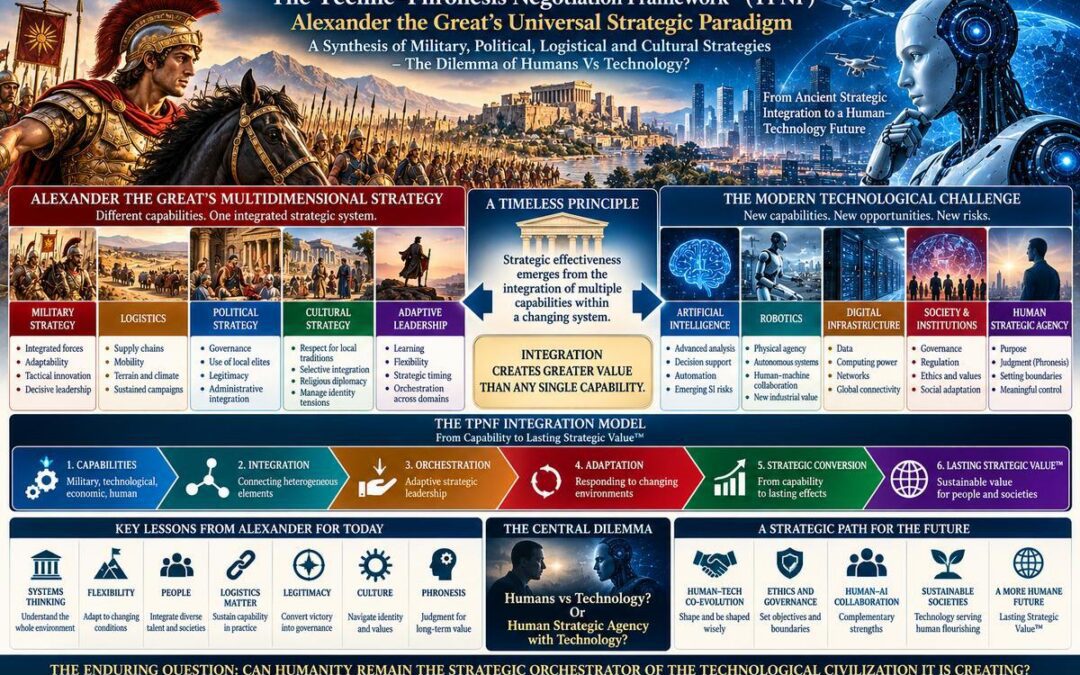
This TPNF essay does not argue that Alexander developed a timeless strategic formula applicable directly to modern technology. Nor does it idealize his empire or ignore its violence and contradictions.
Instead, Alexander provides a historical case through which TPNF can examine a broader principle:
Strategic effectiveness emerges from the integration of multiple capabilities within a changing system.
The modern dilemma of Humans versus Technology may therefore be incorrectly formulated.
The deeper question is whether humanity can remain the strategic orchestrator of the technological ecosystem it is creating.
by Nikos Chatzis | 28 Sep, 2026 | Space, Technology Ecosystems, Technology Evolution, The Techne–Phronesis Negotiation Framework™
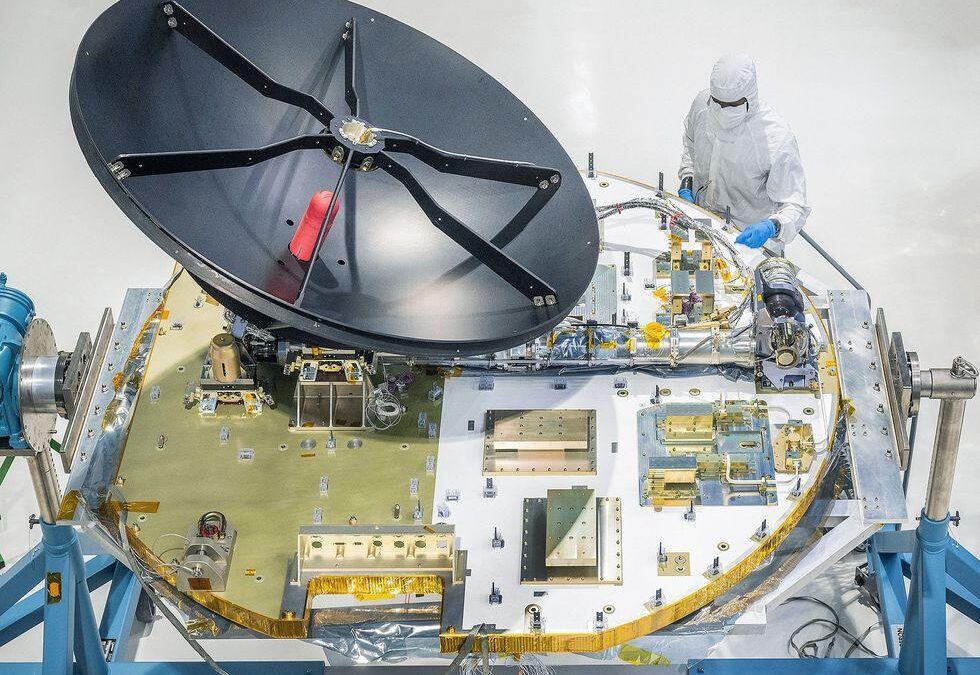
This TPNF essay examines the Roman ground-station network as more than supporting infrastructure.
It argues that global communications, Big Data, computing, artificial intelligence and international scientific collaboration are becoming inseparable from the telescope itself. The strategic unit of modern astronomy is increasingly the Scientific Knowledge Ecosystem™.
by Nikos Chatzis | 6 Sep, 2026 | Technology Diplomacy, Technology Ecosystems, Technology Evolution, Technology Geopolitics, Technology Transfer, The Techne–Phronesis Negotiation Framework™, Value Creation
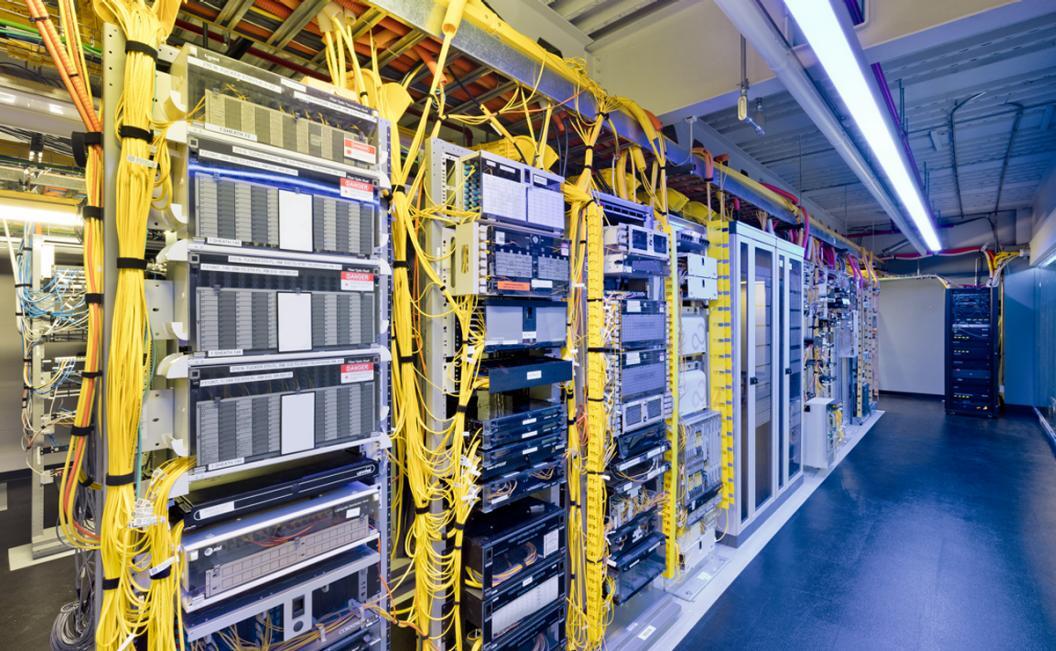
This essay examines technological determinism through the emerging ecosystem structure of contemporary technological civilization. Its central question is: If technology creates increasingly powerful possibilities, what determines whether those possibilities produce lasting human, economic and strategic value? TPNF argues that the answer lies increasingly in the interaction among technology, human agency, institutions, systems and ecosystems.