by Nikos Chatzis | 12 Sep, 2026 | The Techne–Phronesis Negotiation Framework™, UAS Investment, UAV, UAVs, UCAV, War Drones
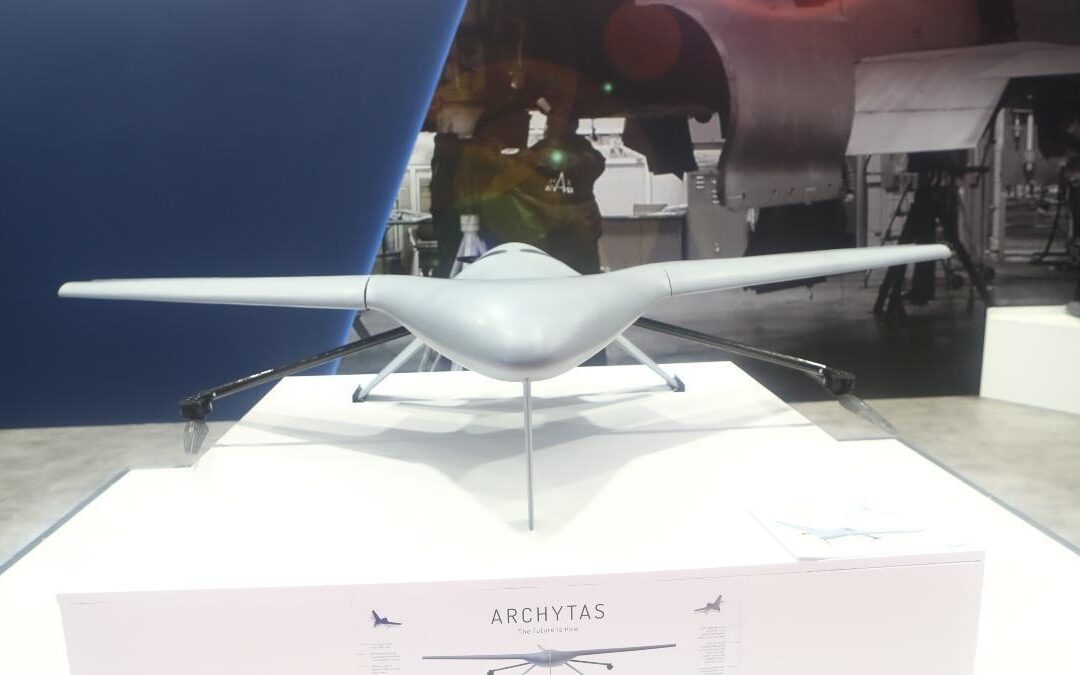
This TPNF essay examines how Greece can convert indigenous unmanned technology from individual platforms into sustainable national strategic capability. Using ARCHYTAS as the starting point, it argues that the greatest long-term value would emerge by connecting domestic UAVs, unmanned maritime systems, counter-UAS technologies, artificial intelligence, sensors, communications, command-and-control, universities, defence companies and operational users within a common learning ecosystem.
by Nikos Chatzis | 21 Jul, 2026 | Systems Integration, Technology Ecosystems, The Techne–Phronesis Negotiation Framework™, UAVs
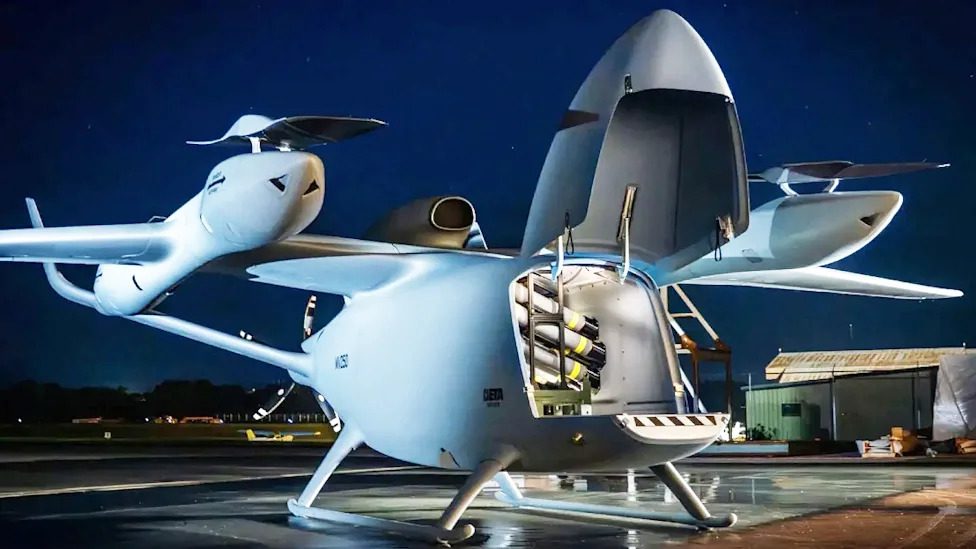
Through the Techne–Phronesis Negotiation Framework™ (TPNF), the MV250 is understood not merely as an advanced unmanned aircraft, but as a strategic node within multilevel network ecosystems that integrate technology, practical wisdom, systems thinking, and strategic negotiation to enhance operational resilience and sustainable military effectiveness.
by Nikos Chatzis | 29 Jun, 2026 | drone ecosystems, Drones' Technology Management, GEOINT, Geospatial Intelligence, Research & Development, Technology Corridors, Technology Diplomacy, Technology Ecosystems, Technology Evolution, Technology Transfer, UAVs
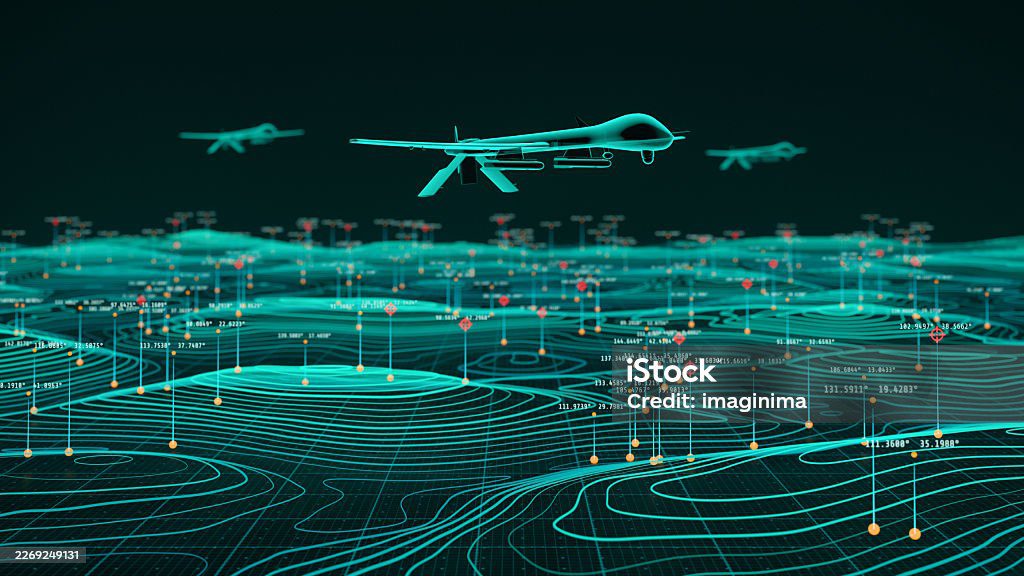
This essay argues that the evolution of drone technology reflects the broader transition from industrial civilization to technological civilization.
by Nikos Chatzis | 25 Jun, 2026 | Advanced Air Mobility / Urban Air Mobility (AAM) (UAM), Artificial Intelligence, Aviation Technology, Electric Aviation, eVTOL, Geospatial Intelligence, UAVs
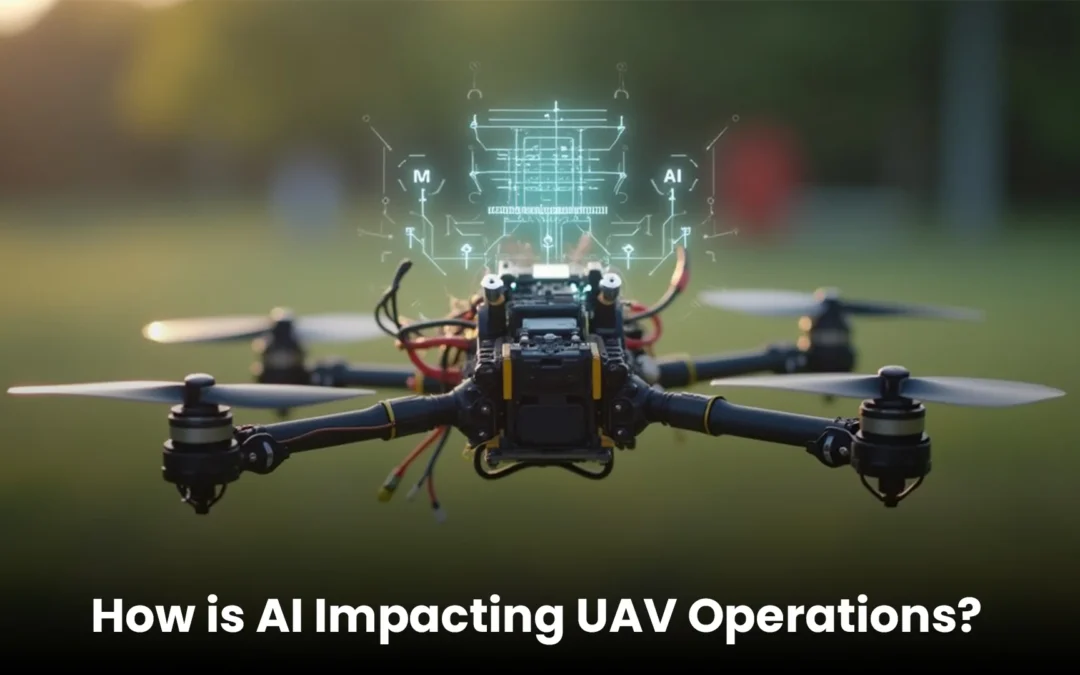
The drone industry is entering a new era of technological transformation. For more than two decades, innovation in Unmanned Aircraft Systems (UAS) focused primarily on improving hardware performance, including flight endurance, payload capacity, sensor integration, navigation systems, and communications capabilities. These advances enabled drones to become indispensable tools across a growing range of civilian and defense applications. Just as the combination of computers and the internet revolutionized the global economy, the convergence of Artificial Intelligence and drone technology is poised to redefine the future of aviation, geospatial intelligence, public safety, infrastructure management, logistics, and national defense.
by Nikos Chatzis | 23 Jun, 2026 | Artificial Intelligence, Aviation Technology, Electric Aircraft, Electric Aviation, eVTOL, Innovation Ecosystems, UAS Investment, UAVs
The global drone industry is experiencing a period of unprecedented transformation. Originally developed for military purposes and later expanded into commercial applications, Unmanned Aircraft Systems (UAS) have evolved into strategic technologies influencing economic development, national security, digital transformation, and international competitiveness. This thesis argues that the future success of the drone industry, in both civil and defense sectors, will depend upon the ability of governments, industries, and research communities to build integrated innovation ecosystems capable of fostering cooperation, accelerating technological advancement, and generating sustainable economic and strategic value.

by Nikos Chatzis | 22 Jun, 2026 | 3-D Negotiation, Drones' Technology Management, Innovation Ecosystems, UAVs
The accelerating pace of technological innovation is transforming the structure of modern economies and international relations. Emerging technologies such as artificial intelligence, unmanned aircraft systems (UAS), geospatial intelligence, autonomous systems, quantum computing, and digital infrastructure increasingly operate within complex innovation ecosystems involving governments, corporations, universities, regulators, investors, research institutions, and civil society. Drawing upon the principles of the Harvard 3D Negotiation Framework, technology diplomacy, innovation management, and geopolitical analysis, the study argues that future technology leaders will increasingly require the ability to design, align, and sustain collaborative ecosystems rather than merely negotiate individual transactions.