
by Nikos Chatzis | 29 Sep, 2026 | Supply Chains, Sustainable Value Creation, Systems Integration, Systems Leadership, Systems Thinking, Tech Economy of Software, Technology Ecosystems, The Techne–Phronesis Negotiation Framework™, Value Creation
This TPNF essay explains why chips, AI and robotics should increasingly be understood as interacting platform ecosystems rather than isolated technological sectors. The strategic question is no longer simply who produces the fastest chip, the most capable AI model or the most advanced robot. It is increasingly: Which ecosystems can integrate these capabilities, learn from their interaction and continuously convert that learning into new technological, economic and human value?
by Nikos Chatzis | 5 Aug, 2026 | Space, Strategic Governance, Supply Chains, The Techne–Phronesis Negotiation Framework™
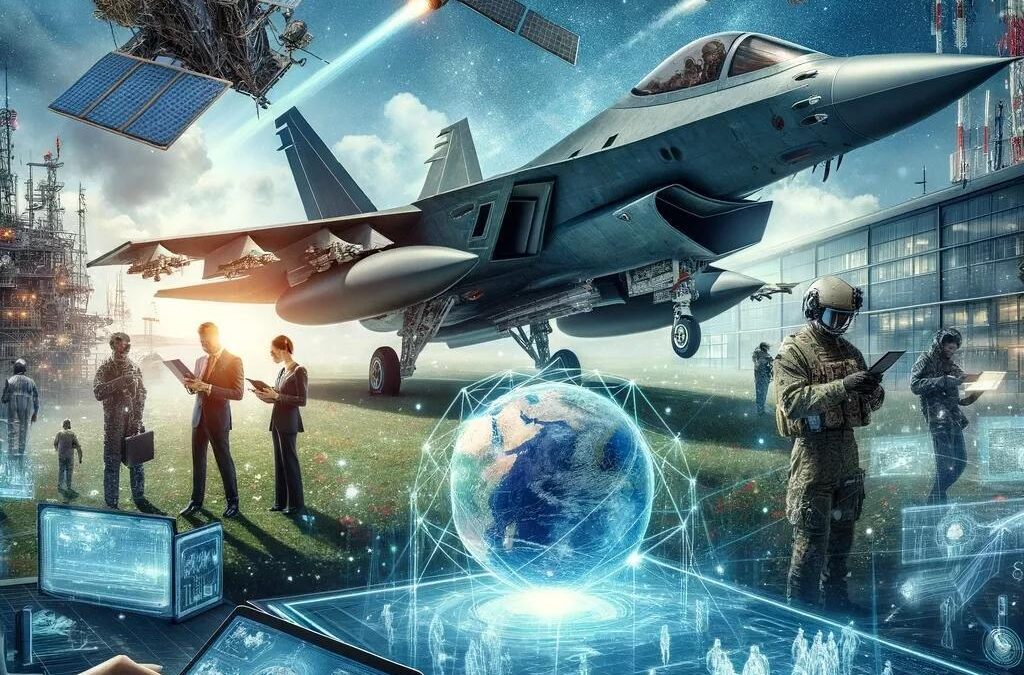
This essay examines how recent developments in U.S. defense inventories and the rapid expansion of SpaceX’s commercial technology businesses illustrate the changing relationship between military capability and technological innovation. Through the analytical perspective of the Techne–Phronesis Negotiation Framework™ (TPNF), it argues that future strategic advantage will increasingly depend upon integrated technological ecosystems rather than military hardware alone.
by Nikos Chatzis | 29 Jul, 2026 | Ecosystem Dynamics, Ecosystem Governance, Ecosystem Strategy, Supply Chains, The Techne–Phronesis Negotiation Framework™
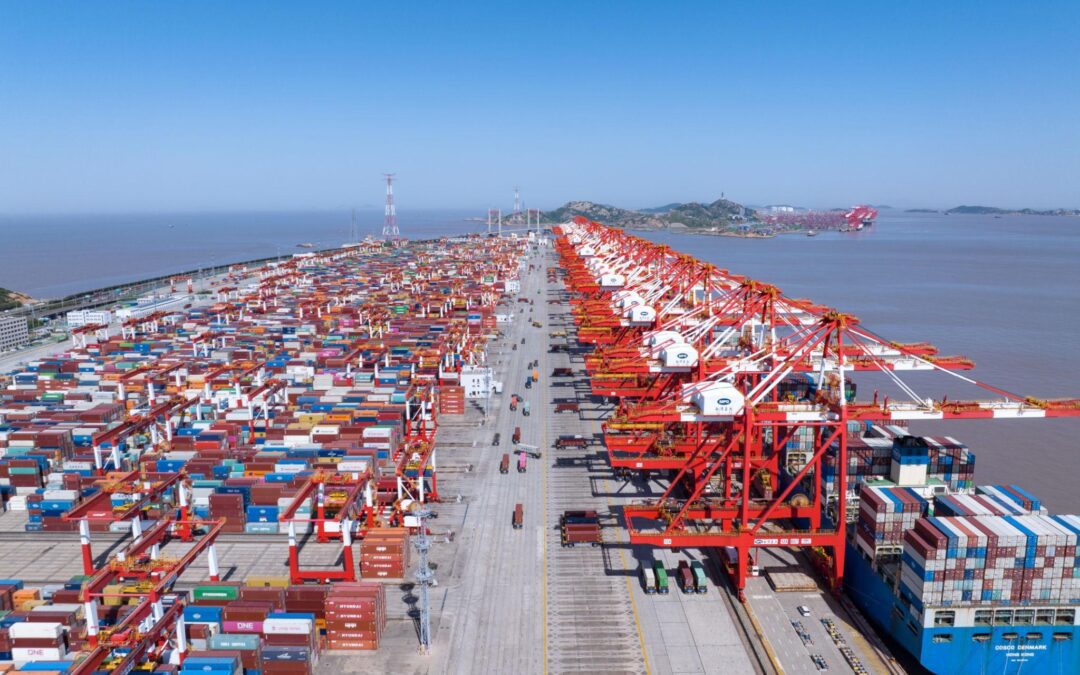
This essay explains how China’s supply chain logistics are evolving into a comprehensive strategic ecosystem that integrates technology, industrial policy, artificial intelligence, digital infrastructure, diplomacy, finance, and strategic negotiation. Using the Techne–Phronesis Negotiation Framework™ (TPNF), it demonstrates why future logistics should be understood as a complex adaptive ecosystem rather than a collection of isolated transportation activities.
by Nikos Chatzis | 15 Jul, 2026 | Industrial Policy, Supply Chains, Technology Corridors, Technology Diplomacy, Technology Ecosystems, Technology Evolution, Technology Geopolitics, Technology Transfer
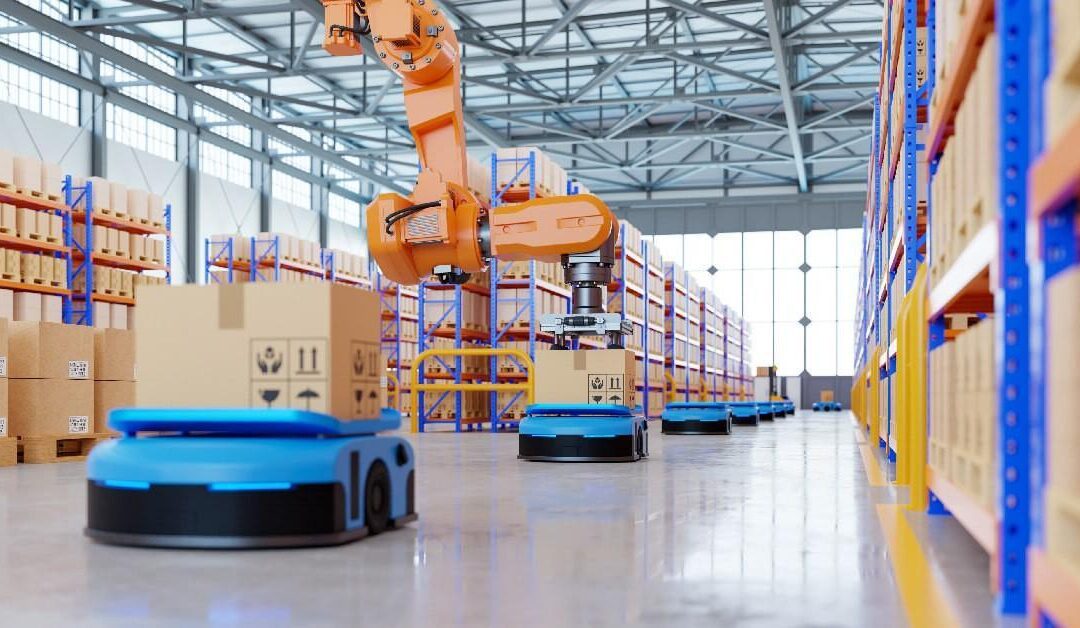
The purpose of this essay is to explain how contemporary supply chains have become multidimensional strategic ecosystems operating at the intersection of technology, industrial policy, finance, diplomacy, and national strategy. The Techne–Phronesis Negotiation Framework™ (TPNF) argues that future prosperity depends not upon optimizing individual supply chains, but upon governing interconnected strategic ecosystems through the integration of technical capability (techne), practical wisdom (phronesis), systems thinking, and adaptive strategic negotiation.
by Nikos Chatzis | 12 Jul, 2026 | Supply Chains, The Techne–Phronesis Negotiation Framework™
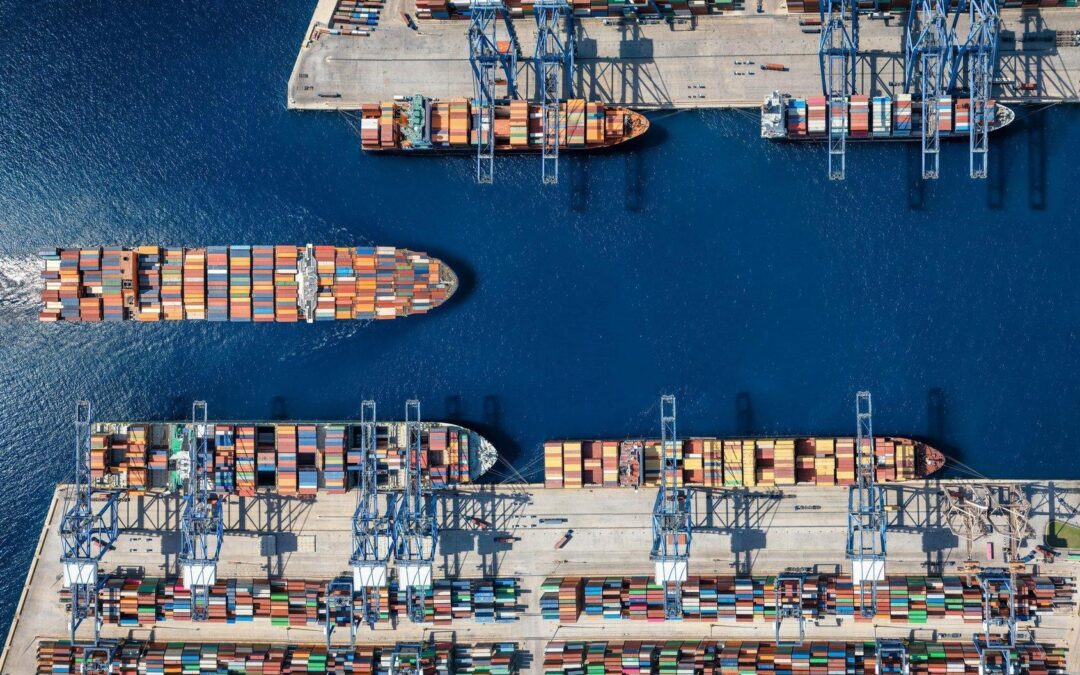
The Techne–Phronesis Negotiation Framework™ (TPNF) argues that strategic supply-chain resilience emerges through the integration of technical capability (techne), practical wisdom (phronesis), systems thinking, and adaptive negotiation. Using China as a case study, this essay examines how long-term investment in manufacturing capacity, technological innovation, infrastructure, and global connectivity has transformed supply chains into instruments of national strategy.
by Nikos Chatzis | 2 Jul, 2026 | 3-D Negotiation, Supply Chains, The Techne–Phronesis Negotiation Framework™
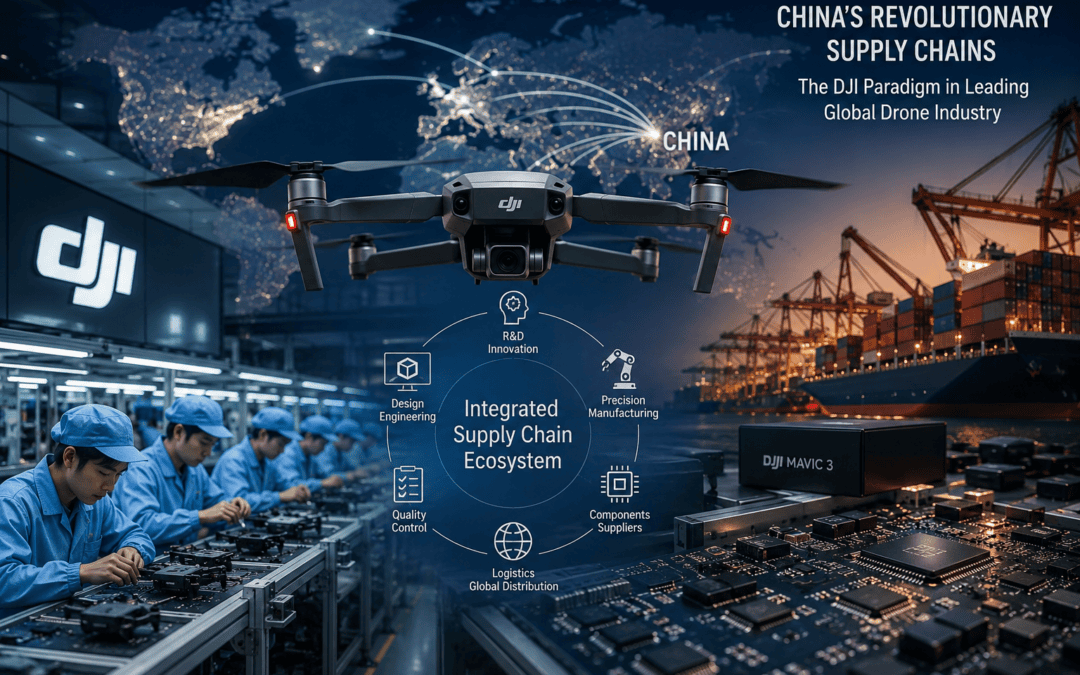
This essay applies The Techne–Phronesis Negotiation Framework™ to explain how China’s revolutionary supply chains transform technological capability into global industrial leadership. It argues that future competitiveness will increasingly depend not upon isolated technological inventions but upon the ability to build resilient ecosystems that continuously generate innovation, adaptability, and long-term value.