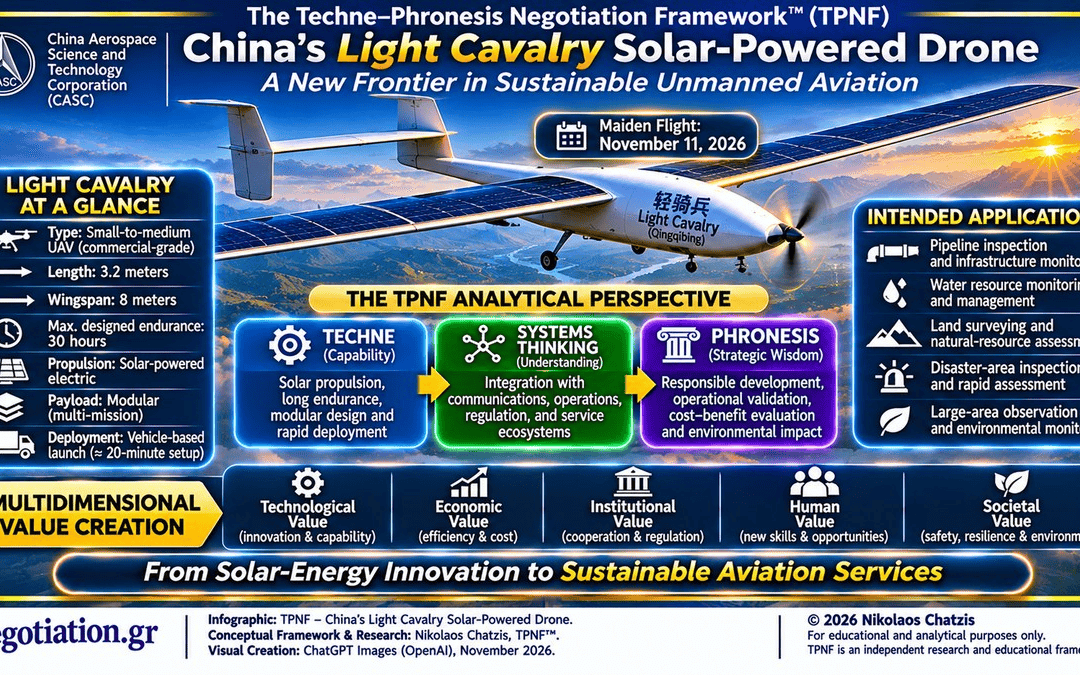
by Nikos Chatzis | 12 Nov, 2026 | Sustainable Value Creation, Technology Ecosystems, Technology Evolution, The Techne–Phronesis Negotiation Framework™, UAV, UCAV
This TPNF essay examines the Light Cavalry’s technological characteristics, intended commercial applications, and potential implications for China’s unmanned aviation ecosystem…
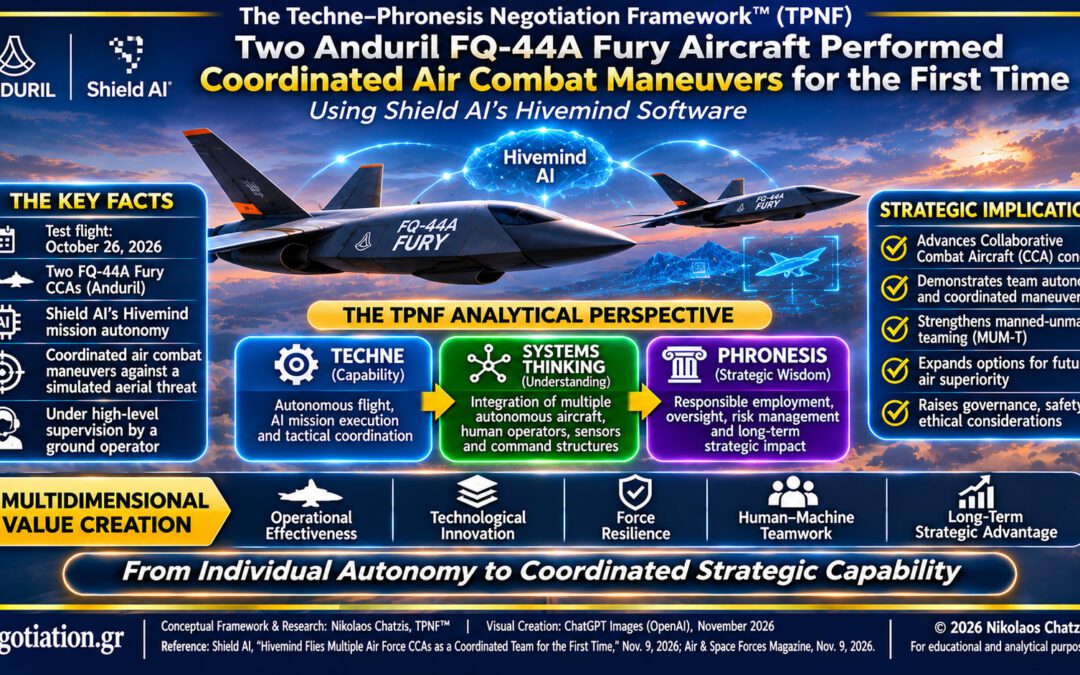
by Nikos Chatzis | 10 Nov, 2026 | Technology Ecosystems, The Techne–Phronesis Negotiation Framework™, UCAV
This TPNF essay examines the October 26, 2026, flight demonstration involving two Anduril FQ-44A Fury Collaborative Combat Aircraft (CCA) and Shield AI’s Hivemind mission-autonomy software…
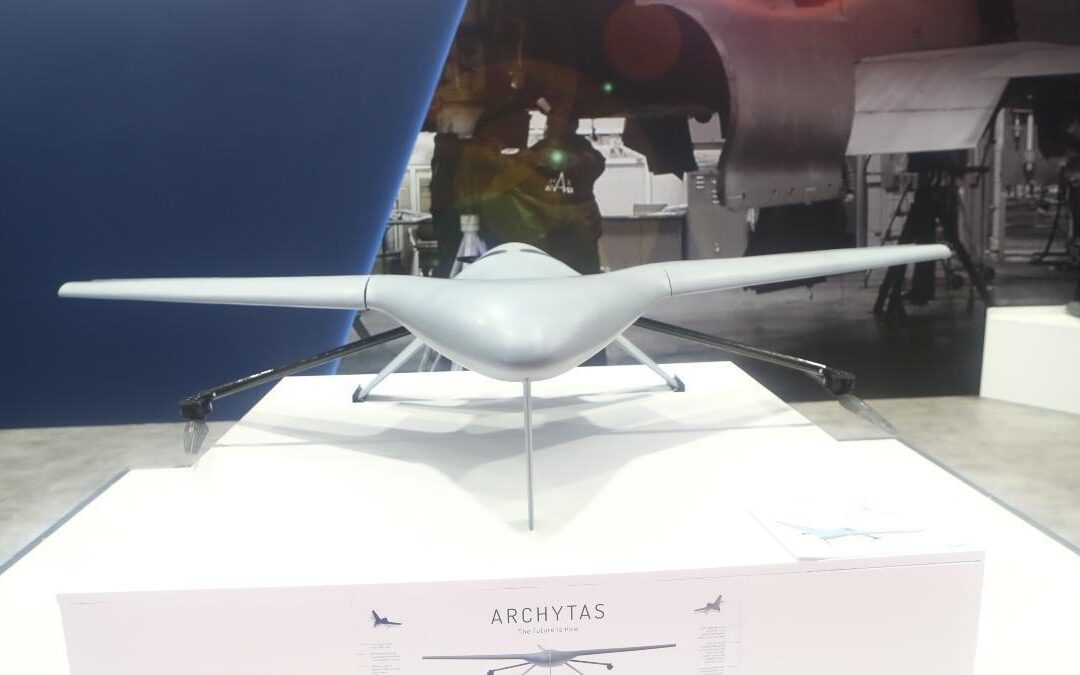
by Nikos Chatzis | 12 Sep, 2026 | The Techne–Phronesis Negotiation Framework™, UAS Investment, UAV, UAVs, UCAV, War Drones
This TPNF essay examines how Greece can convert indigenous unmanned technology from individual platforms into sustainable national strategic capability. Using ARCHYTAS as the starting point, it argues that the greatest long-term value would emerge by connecting domestic UAVs, unmanned maritime systems, counter-UAS technologies, artificial intelligence, sensors, communications, command-and-control, universities, defence companies and operational users within a common learning ecosystem.
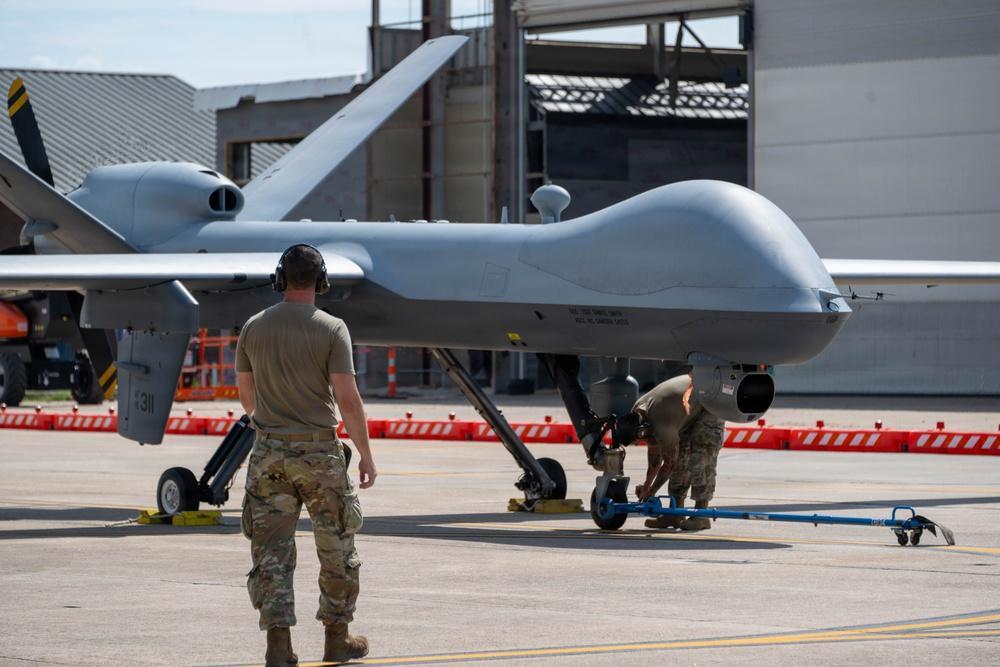
by Nikos Chatzis | 9 Sep, 2026 | MALE UAVs, Military UAS Technology, Modern Network-Centric Warfare, The Techne–Phronesis Negotiation Framework™, UCAV, War, War Drones
This TPNF essay examines General Atomics’ Wildfire concept within the Pentagon’s search for a new generation of lower-cost, modular MALE unmanned aircraft. It asks whether the evolution beyond the MQ-9 represents primarily technological innovation or something more fundamental: a reassessment of the relationship between capability, cost, survivability, quantity and operational sustainability.
by Nikos Chatzis | 30 Jul, 2026 | Technology Ecosystems, Technology Evolution, The Techne–Phronesis Negotiation Framework™, UCAV, UnManned Aerial Vehicles, US Army
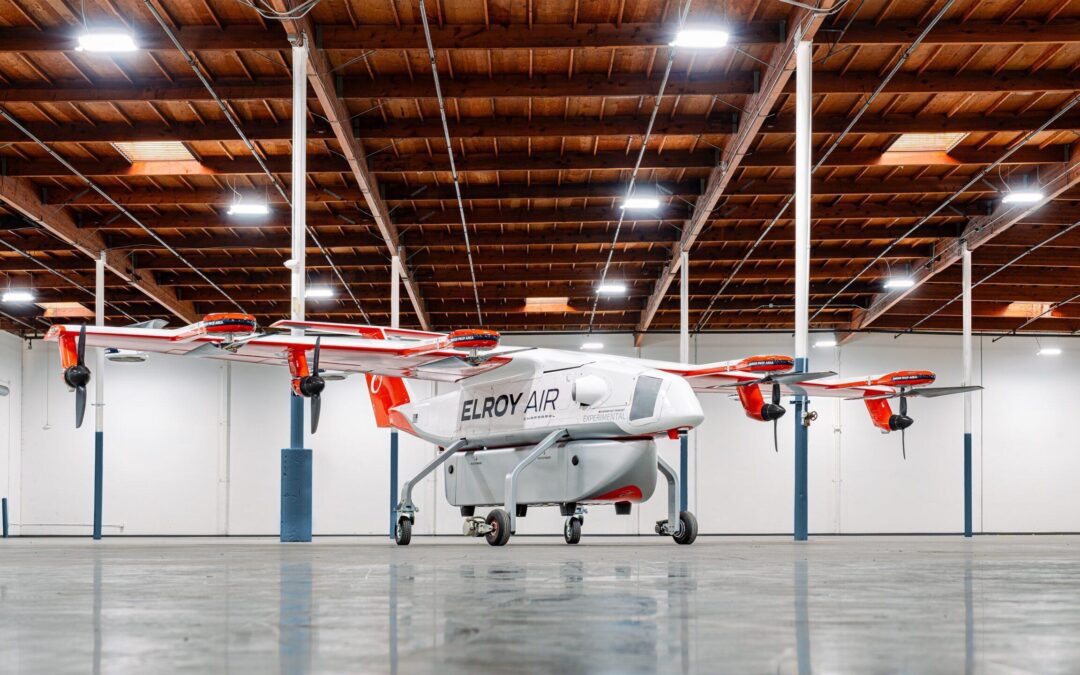
This essay examines how autonomous heavy-cargo drones are reshaping military logistics, analyzes the strategic significance of Elroy Air’s latest U.S. Army-supported capabilities, and explains why autonomous logistics systems are becoming a critical element of future multi-domain warfare. Through the Techne–Phronesis Negotiation Framework™ (TPNF), this evolution demonstrates how autonomous logistics platforms are becoming essential components of future operational ecosystems, increasing resilience, operational tempo, and survivability while reducing risk to personnel.
by Nikos Chatzis | 20 Jul, 2026 | Technology Geopolitics, The Techne–Phronesis Negotiation Framework™, UCAV
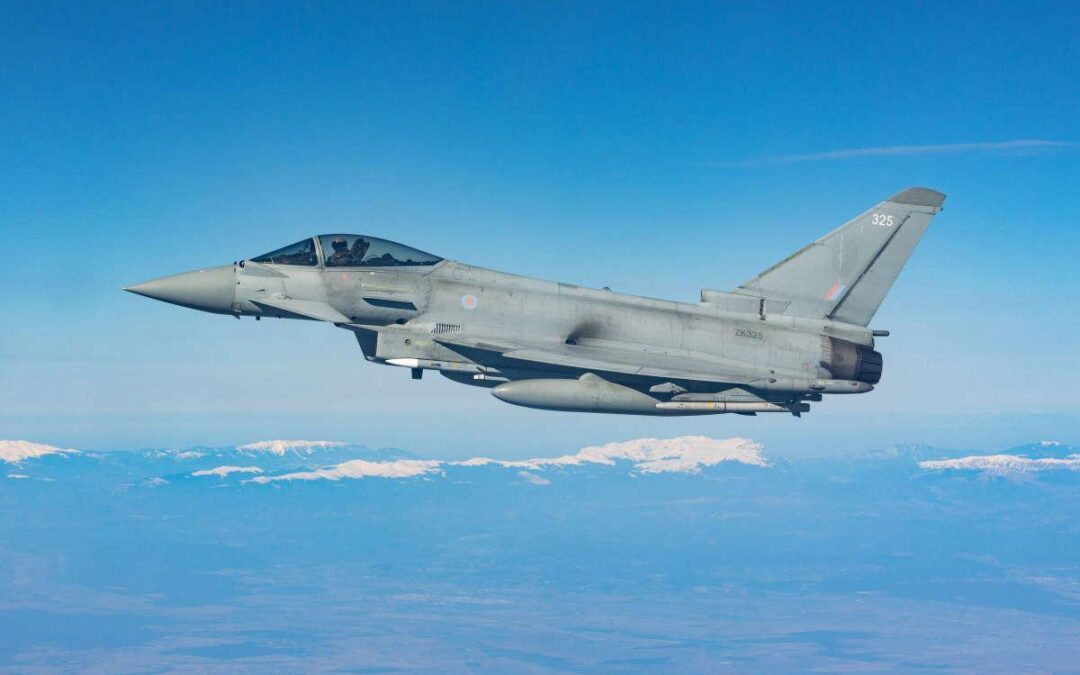
The purpose of this essay is to examine the strategic implications of the United Kingdom’s Storm Fighter Loyal Wingman Program through the analytical lens of the Techne–Phronesis Negotiation Framework™ (TPNF). The United Kingdom’s Storm Fighter Loyal Wingman Program represents far more than the introduction of autonomous collaborative combat aircraft into Royal Air Force operations.