by Nikos Chatzis | 10 Sep, 2026 | Artificial Intelligence AI, Big Data, Robotics, The Techne–Phronesis Negotiation Framework™, trade diversification
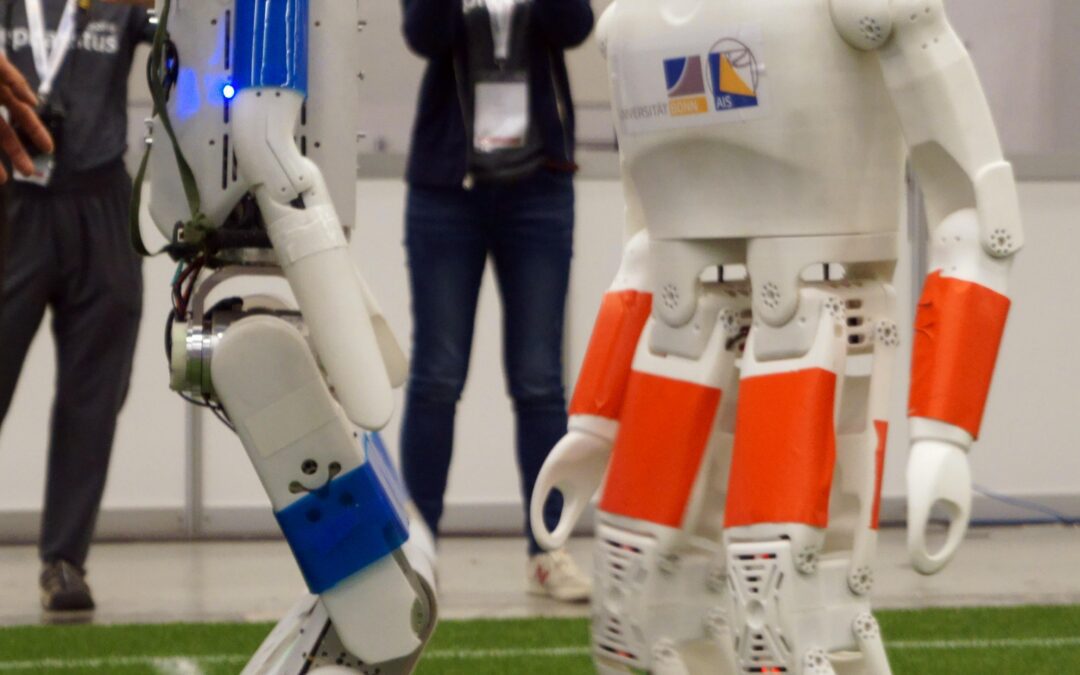
This TPNF essay examines why humanoid robot competitions should be interpreted not merely as sporting spectacles but also as technological experimentation. It explores how artificial intelligence, Big Data, sensors, robotics engineering and repeated physical testing interact to improve humanoid reliability and prepare robots for everyday applications.
by Nikos Chatzis | 8 Sep, 2026 | Artificial Intelligence AI, Big Data, Cloud Computing, The Techne–Phronesis Negotiation Framework™
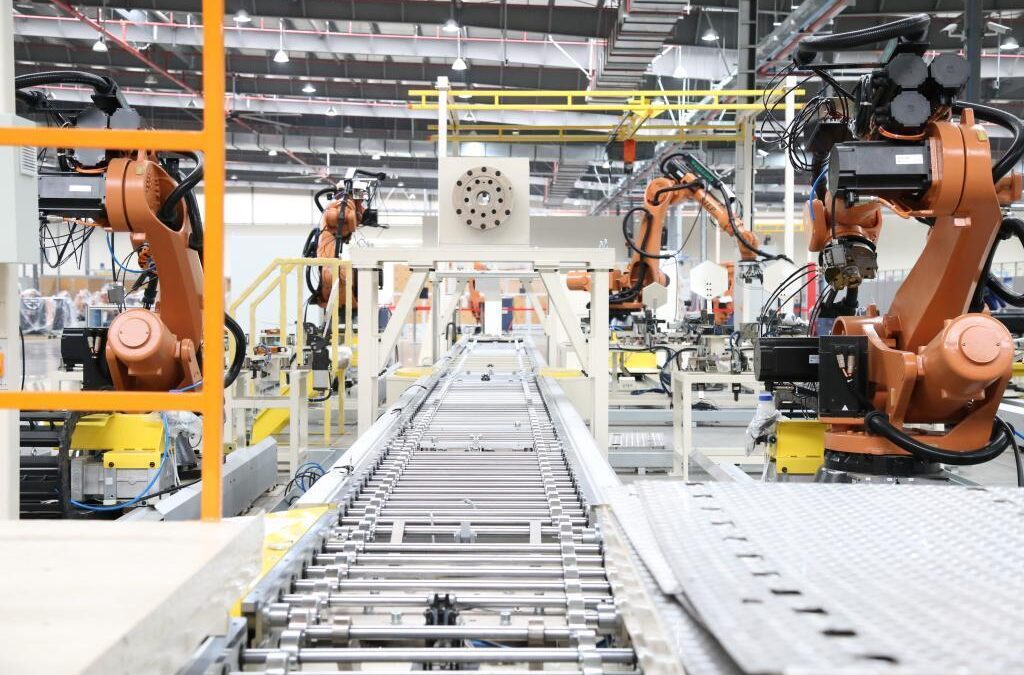
This TPNF essay examines how blockchain, Big Data, cloud computing and AI contribute to China’s industrial production and why their convergence matters strategically. Its purpose is not to portray technology as automatically creating industrial superiority. Rather, it asks a more important TPNF question: How can multiple digital technologies be converted into productive capability, adaptive industrial ecosystems and long-term strategic value?

by Nikos Chatzis | 7 Sep, 2026 | Artificial Intelligence AI, Technological Civilization, Technology Ecosystems, The Techne–Phronesis Negotiation Framework™
This TPNF essay examines the boundary between myth and reality surrounding claims that AI and digital technologies will fundamentally transform human existence. It rejects two extremes.
The first is technological fatalism: the assumption that AI will inevitably determine humanity’s future.
The second is technological trivialization: the belief that AI is merely another neutral tool whose effects depend entirely upon individual users.
by Nikos Chatzis | 4 Sep, 2026 | anti-Drone Warfare, Artificial Intelligence AI, drone ecosystems, Drone warfare, The Techne–Phronesis Negotiation Framework™, War
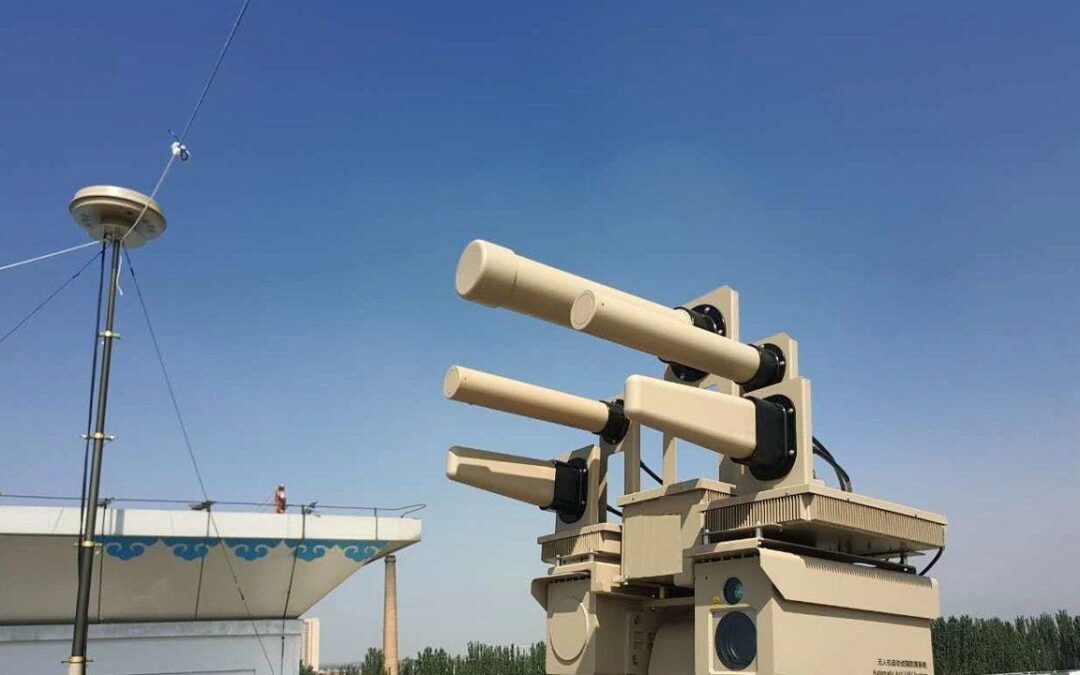
This essay examines through TPNF how AI-enabled autonomy is transforming drone warfare and consequently changing the technological requirements of drone detection and counter-UAS systems. Using Greece’s Centaurus, Telemachus and Hyperion programs, it argues that future counter-drone superiority will depend not upon one permanent technological solution, but upon the ability to continuously adapt the detection and response architecture faster than the threat evolves.
by Nikos Chatzis | 11 Aug, 2026 | Artificial Intelligence AI, Robotics, Semiconductors, The Techne–Phronesis Negotiation Framework™
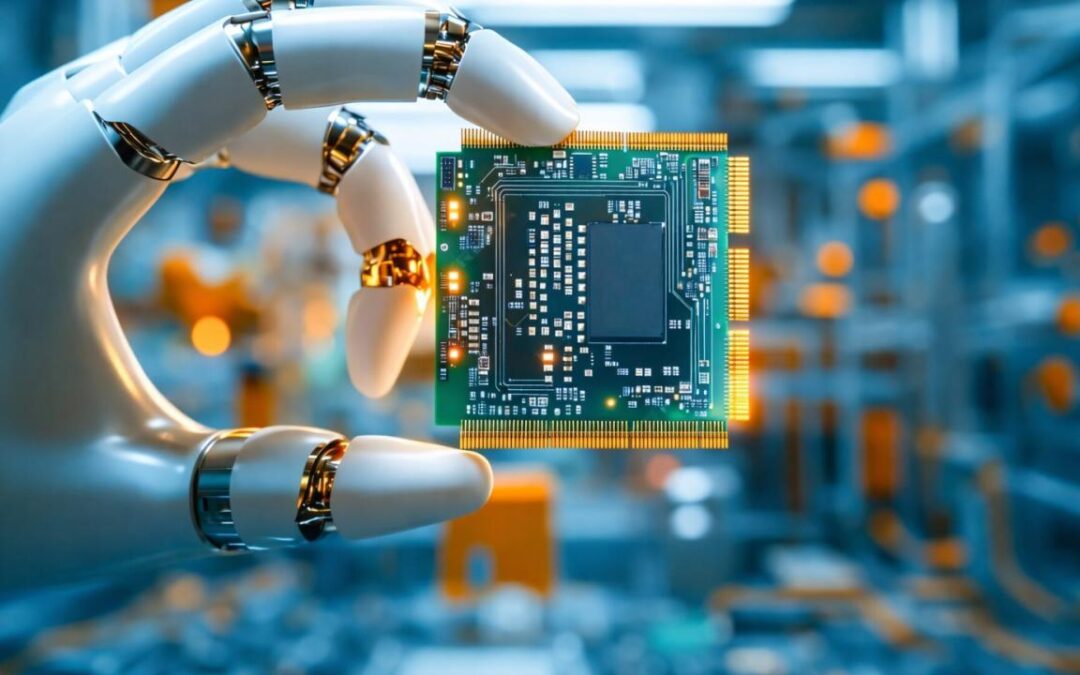
This essay examines why robotics, semiconductors and AI increasingly constitute a central geopolitical capability of the twenty-first century. It argues that strategic advantage will depend not simply upon leadership in any individual technology, but upon the capacity to connect research, chips, computing infrastructure, AI models, energy, robotics, manufacturing, talent, capital and institutions into resilient technological ecosystems.

by Nikos Chatzis | 10 Aug, 2026 | Artificial Intelligence AI, Strategic Leadership, Strategic Management, Strategic Thinking, The Techne–Phronesis Negotiation Framework™
This essay examines how AI is changing the role of business decision strategy in technological civilization. Using TPNF, it argues that AI should not be understood merely as another productivity technology. It increasingly becomes part of the strategic decision architecture of the firm, influencing how organizations perceive markets, allocate resources, manage risk, negotiate, innovate, and create long-term value.