by Nikos Chatzis | 22 Aug, 2026 | Geopolitics, Technology Ecosystems, The Techne–Phronesis Negotiation Framework™, UnManned Aerial Vehicles
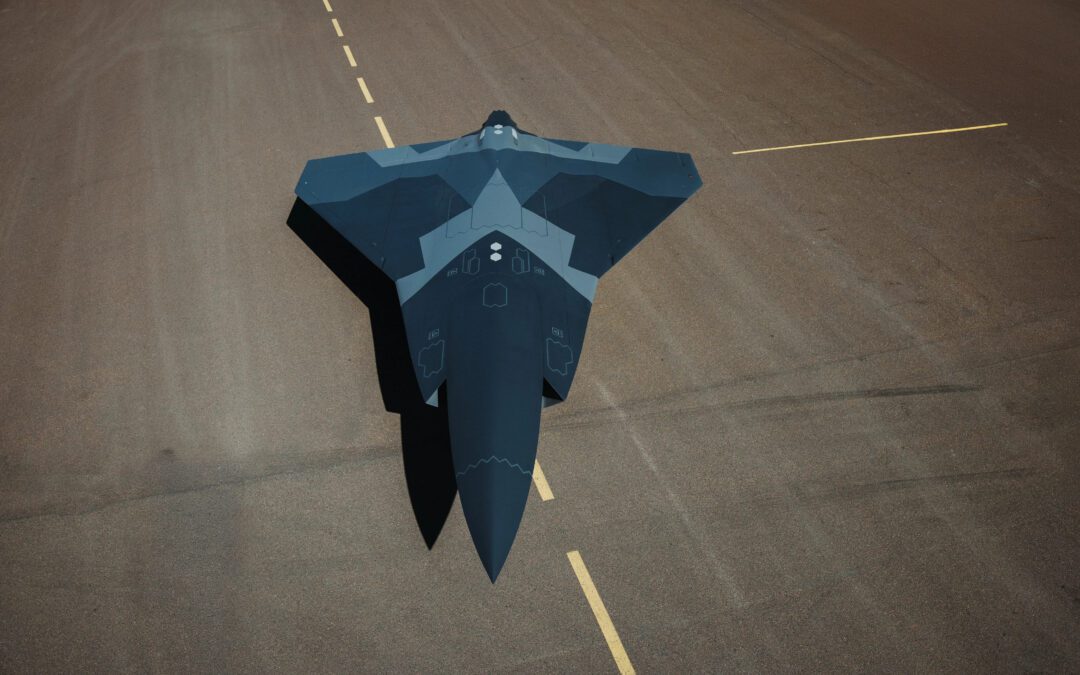
This essay examines Saab’s A3-001 concept and its potential relationship with Gripen E through the TPNF lens. It explores how autonomous collaborative aircraft could transform air warfare, human–machine collaboration, survivability, force economics and European technological sovereignty.
by Nikos Chatzis | 30 Jul, 2026 | Technology Ecosystems, Technology Evolution, The Techne–Phronesis Negotiation Framework™, UCAV, UnManned Aerial Vehicles, US Army
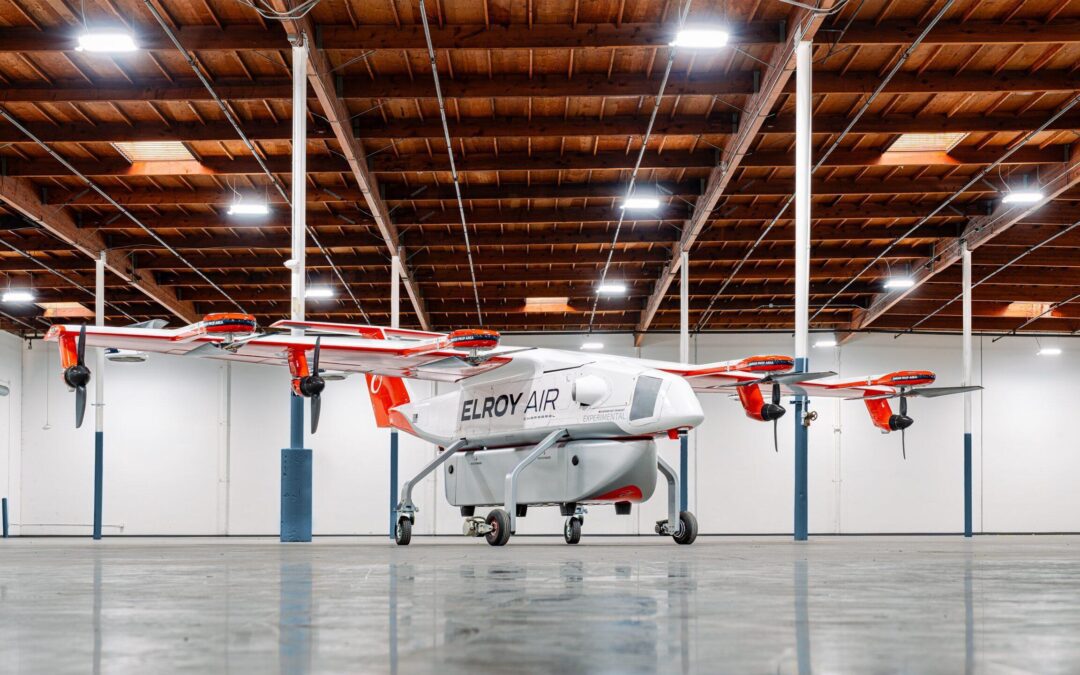
This essay examines how autonomous heavy-cargo drones are reshaping military logistics, analyzes the strategic significance of Elroy Air’s latest U.S. Army-supported capabilities, and explains why autonomous logistics systems are becoming a critical element of future multi-domain warfare. Through the Techne–Phronesis Negotiation Framework™ (TPNF), this evolution demonstrates how autonomous logistics platforms are becoming essential components of future operational ecosystems, increasing resilience, operational tempo, and survivability while reducing risk to personnel.
by Nikos Chatzis | 19 Jul, 2026 | The Techne–Phronesis Negotiation Framework™, UnManned Aerial Vehicles, War Robotis
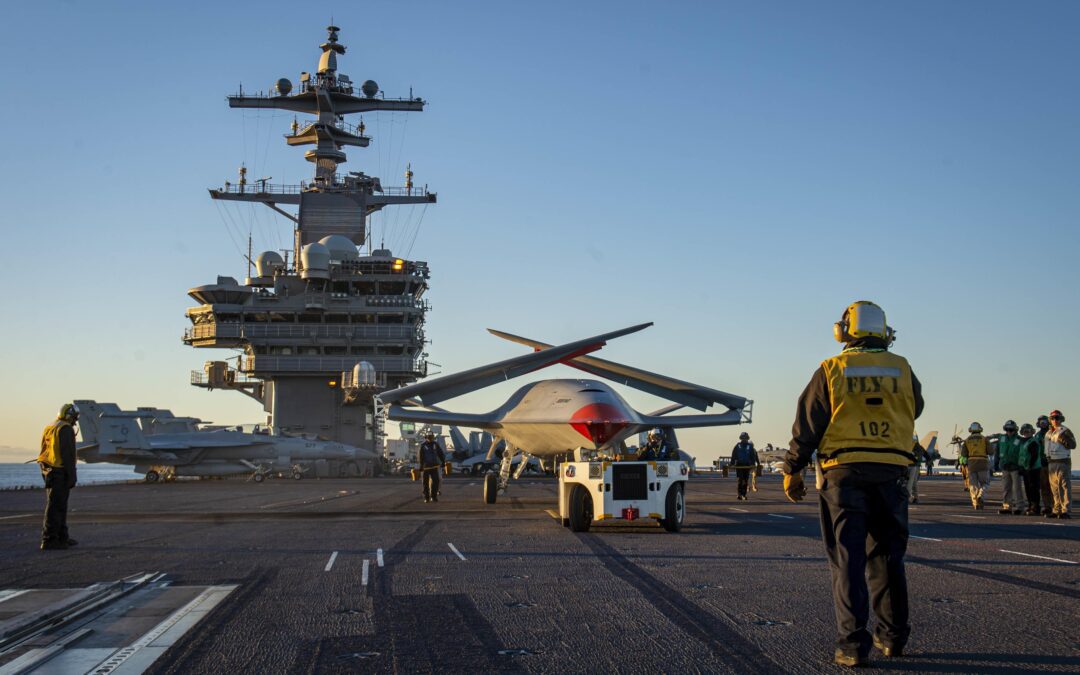
The purpose of this essay is to examine the strategic implications of the United States Navy’s interest in future carrier-based tactical drone fleets capable of conducting long-range strike, reconnaissance, electronic warfare, and supporting missions. The essay applies the Techne–Phronesis Negotiation Framework™ (TPNF) to analyze how such unmanned systems may reshape carrier aviation, distributed maritime operations, alliance interoperability, defence-industrial cooperation, operational resilience, and network-centric warfare.
by Nikos Chatzis | 22 Jun, 2026 | 3-D Negotiation, 3-D Διαπραγμάτευση, Advanced Air Mobility / Urban Air Mobility (AAM) (UAM), Air Mobility Initiative (AIM), Artificial Intelligence, Aviation Technology, Defense & Security, Drones' Technology Management, Electric Aircraft, Electric Aviation, eVTOL, Geopolitics, UAS Investment, UAVs, UnManned Aerial Vehicles
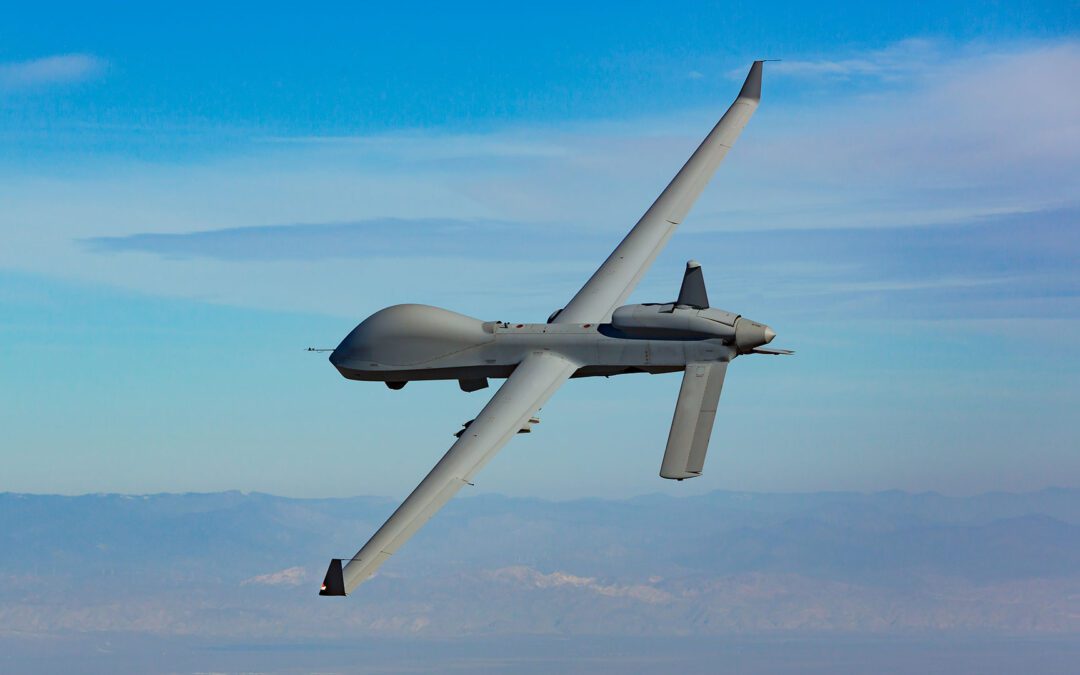
Few technologies have transformed international affairs as rapidly as Unmanned Aircraft Systems (UA S). Once regarded primarily as military surveillance platforms, drones have evolved into versatile tools that influence economic development, security policy, technological competition, environmental management, humanitarian operations, and international cooperation. The geopolitics of UAV technology is therefore not simply about who builds the best drone. It is about who controls the ecosystems, standards, data, partnerships, and innovation networks that will shape the future of unmanned aviation.
by Nikos Chatzis | 21 Jun, 2026 | Advanced Air Mobility / Urban Air Mobility (AAM) (UAM), Air Mobility Initiative (AIM), Artificial Intelligence, Defense & Security, Drones' Technology Management, Electric Aircraft, Electric Aviation, eSTOL, eVTOL, Geopolitics, Investing in Unmanned Aviation, Military UAS Technology, UAS Investment, UAV, UAVs, UCAV, UnManned Aerial Vehicles, War, Τεχνολογία Αεροσκαφών
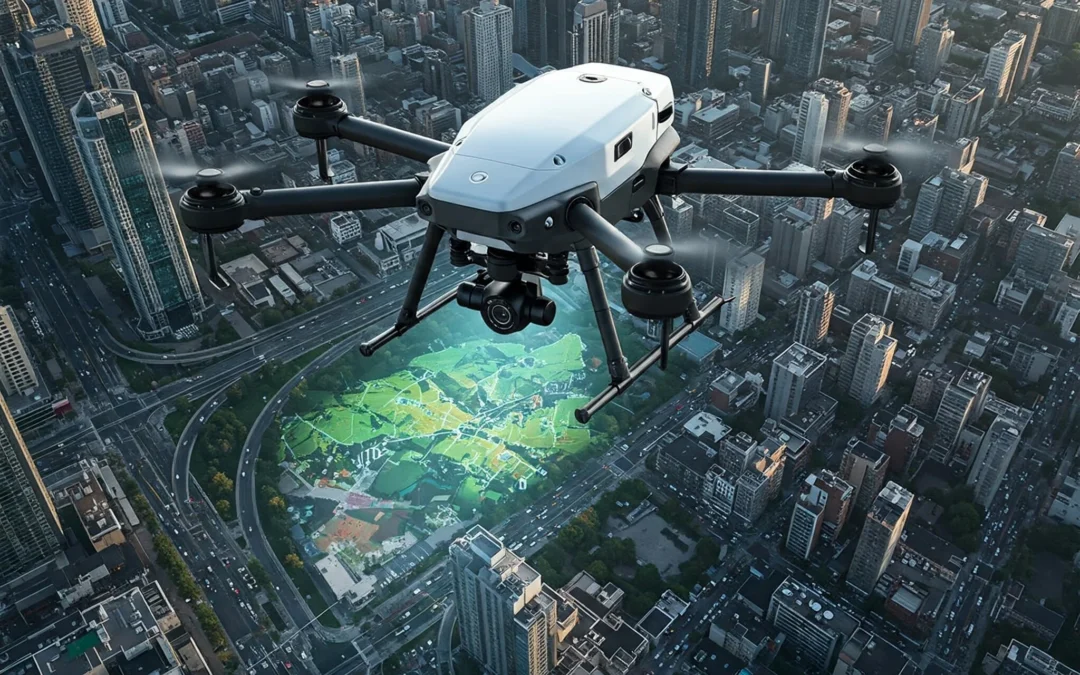
The global drone industry has evolved from a niche aerospace segment into one of the most dynamic technology ecosystems of the twenty-first century. Unmanned Aircraft Systems (UAS), including small Unmanned Aircraft Systems (sUAS), commercial drones, tactical military drones, and Medium Altitude Long Endurance (MALE) platforms, now play an increasingly important role in economic development, national security, infrastructure management, environmental monitoring, logistics, agriculture, and intelligence gathering. The next five years are likely to witness a transformation comparable to the early development of the internet ecosystem, where value creation increasingly shifts from hardware toward software, services, data analytics, and integrated operational platforms.
by Nikos Chatzis | 16 Sep, 2021 | Advanced Air Mobility / Urban Air Mobility (AAM) (UAM), Geopolitics, UAS Investment, UAVs, UnManned Aerial Vehicles
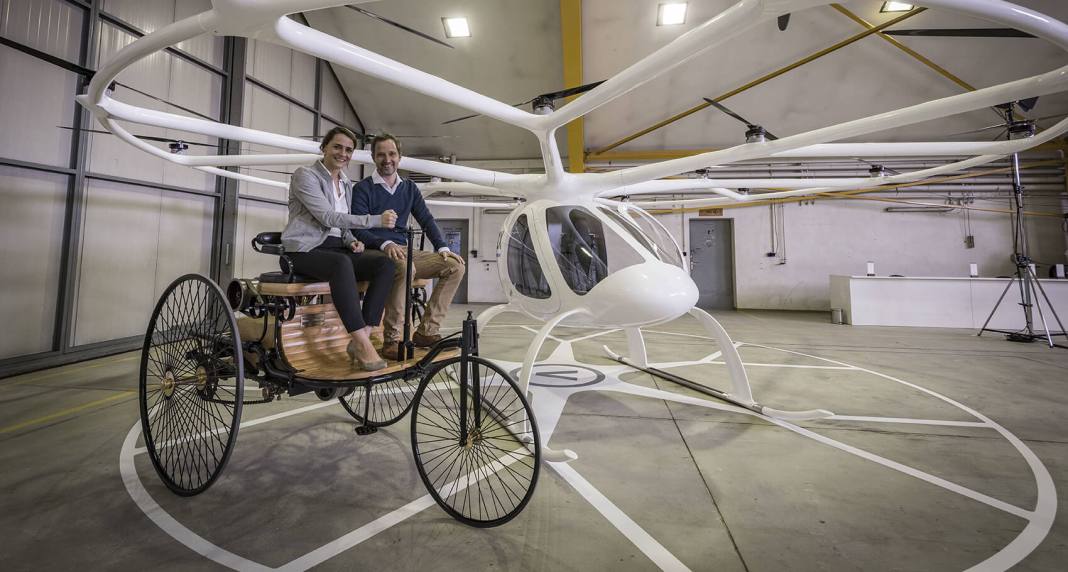
“…Volocopter, the pioneer of urban air mobility (UAM), announced that it has partnered with Los Angeles-based Urban Movement Labs (UML) to explore the application of Volocopter’s UAM solutions in the Los Angeles area. As part of Volocopter’s US market...