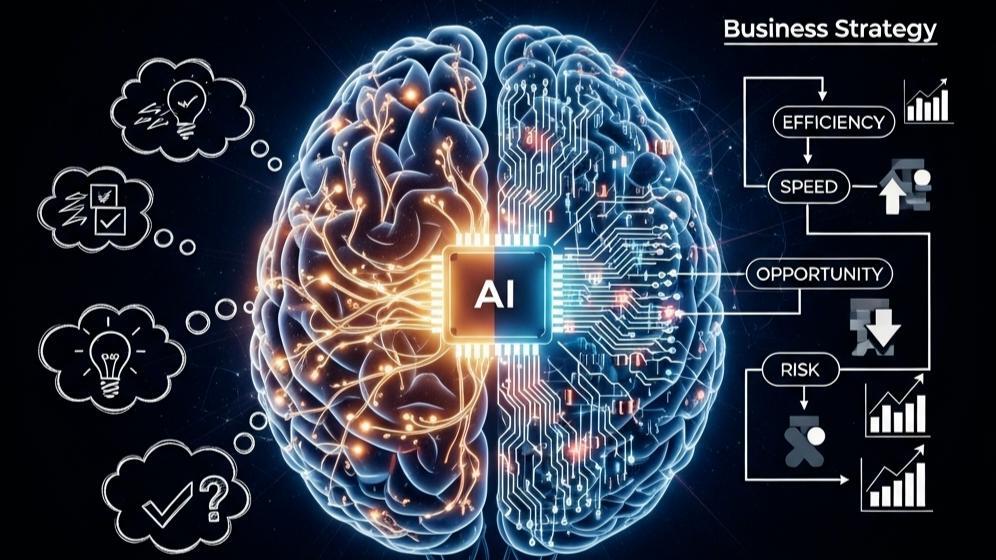
by Nikos Chatzis | 25 Aug, 2026 | Strategic Financial Ecosystems, Strategic Governance, Strategic Leadership, Strategic Management, Strategic Negotiation, Strategic Resilience, Strategic Theory, Strategic Thinking, Strategic Wisdom, Strategy Evolution - Business Strategy, Technological Civilization, Technology Ecosystems, Technology Evolution, Technology Geopolitics, The Techne–Phronesis Negotiation Framework™
This essay examines how strategic decision-making is changing as artificial intelligence, technological convergence, autonomous systems and complex ecosystems reshape organizations, markets and geopolitics. Its purpose is to explain how TPNF can provide an integrative framework connecting technological capability, systems understanding, human judgment, negotiation and adaptive learning.
by Nikos Chatzis | 2 Aug, 2026 | Strategic Resilience, Tech Economy of Software, Technological Civilization, Technology Evolution, The Techne–Phronesis Negotiation Framework™, Value Creation
This essay presents an integrative perspective on the evolution of technological civilization by examining the interaction between global connectivity, technology, adaptation, governance, resilience, and value creation. Through the analytical lens of the Techne–Phronesis Negotiation Framework™ (TPNF), it argues that future prosperity will increasingly depend on the ability to coordinate these interconnected dimensions rather than optimize them independently.
by Nikos Chatzis | 2 Aug, 2026 | Strategic Resilience, The Techne–Phronesis Negotiation Framework™, Value Creation
This essay examines the evolution of resilience from a defensive concept focused on recovery into a proactive capability that enables continuous adaptation, innovation, and long-term value creation. Through the analytical lens of the Techne–Phronesis Negotiation Framework™ (TPNF), it argues that future competitiveness will depend on the resilience of networks rather than on the strength of individual organizations.
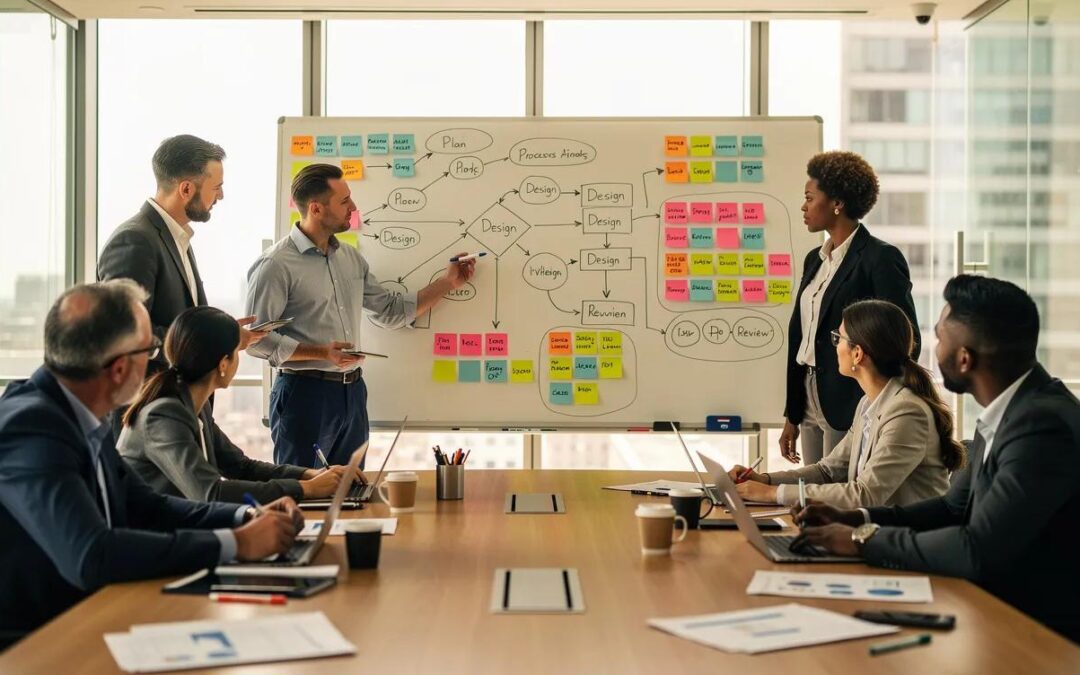
by Nikos Chatzis | 19 Jul, 2026 | Strategic Resilience, Strategic Theory, Strategic Thinking, Strategic Wisdom, Strategy Evolution - Business Strategy, The Techne–Phronesis Negotiation Framework™
The TPNF Strategic Decision Laboratory™ (SDL) is a multidimensional strategic and tactical methodology designed to transform strategic theory into structured decision-making practice. Rather than asking participants merely to analyze a case or negotiate a dispute, the SDL requires them to understand complex adaptive systems, map multilevel network ecosystems, negotiate competing interests, evaluate strategic alternatives, and develop an evidence-based TPNF Ecosystem Negotiation Strategic and Tactical Plan of Action™. This essay explains the conceptual foundations of the SDL, its relationship to the TPNF Case Method™, and its contribution to strategic leadership education.

by Nikos Chatzis | 15 Jul, 2026 | Ecosystem Dynamics, Ecosystem Governance, Ecosystem Strategy, Ecosystem Thinking, Logistics, Strategic Governance, Strategic Leadership, Strategic Management, Strategic Resilience, The Techne–Phronesis Negotiation Framework™
The purpose of this essay is to explain how logistics is evolving into a multidimensional strategic ecosystem connecting technology, governance, infrastructure, supply chains, innovation, and geopolitics. The Techne–Phronesis Negotiation Framework™ (TPNF) argues that future logistics should no longer be understood simply as the management of physical flows, but as the orchestration of interconnected technological and institutional ecosystems that create resilience, adaptability, and sustainable strategic value. The evolution of logistics therefore reflects the broader evolution of contemporary technological civilization.

by Nikos Chatzis | 14 Jul, 2026 | Advanced Technologies, Contemporary Geopolitics, Strategic Resilience, The Techne–Phronesis Negotiation Framework™
The defining characteristic of strategic resilience in the twenty-first century is no longer the strength of isolated institutions, technologies, or states, but the resilience of the networks that connect them. The purpose of this essay is to explain why resilience should no longer be understood as the capacity of individual organizations or states to withstand shocks in isolation. Instead, resilience increasingly emerges from the quality of relationships linking governments, industries, universities, international organizations, technology firms, financial institutions, infrastructure providers, and civil society. Through the TPNF, resilience becomes a networked capability created through cooperation, technological innovation, institutional learning, and strategic governance operating within complex adaptive systems.