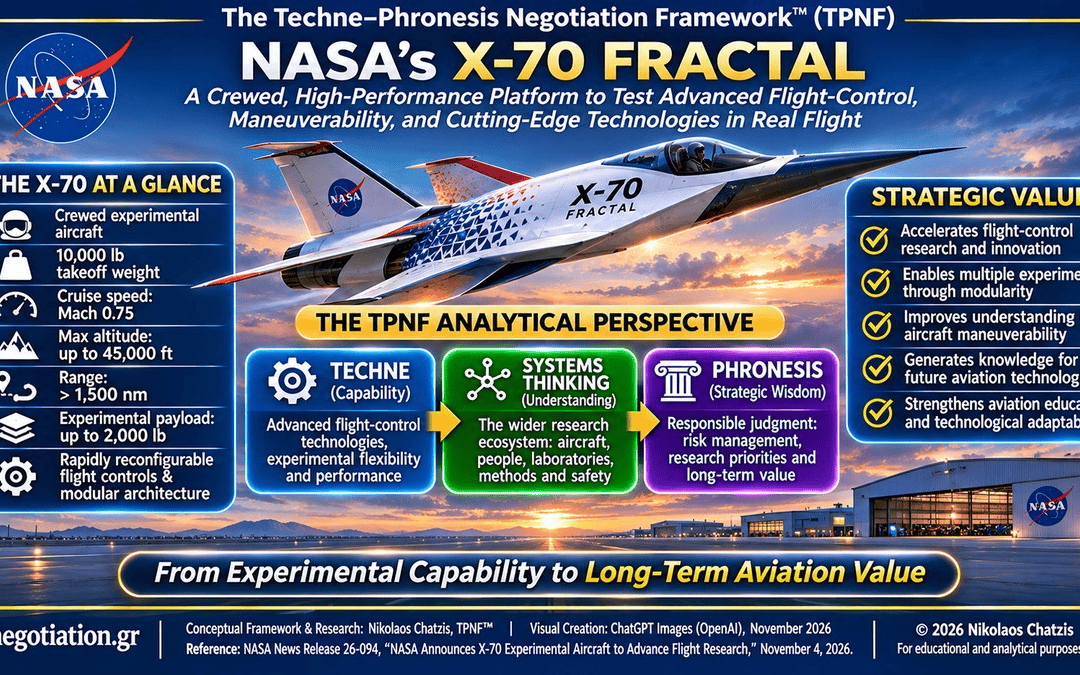
by Nikos Chatzis | 5 Nov, 2026 | Aviation Technology, NASA, The Techne–Phronesis Negotiation Framework™
This TPNF essay evaluates NASA’s newly announced X-70 Fractal through the TPNF analytical perspective. It explores how modular experimental aircraft may influence flight-control research, technological adaptability, aviation education, and the long-term development of aerospace innovation ecosystems.
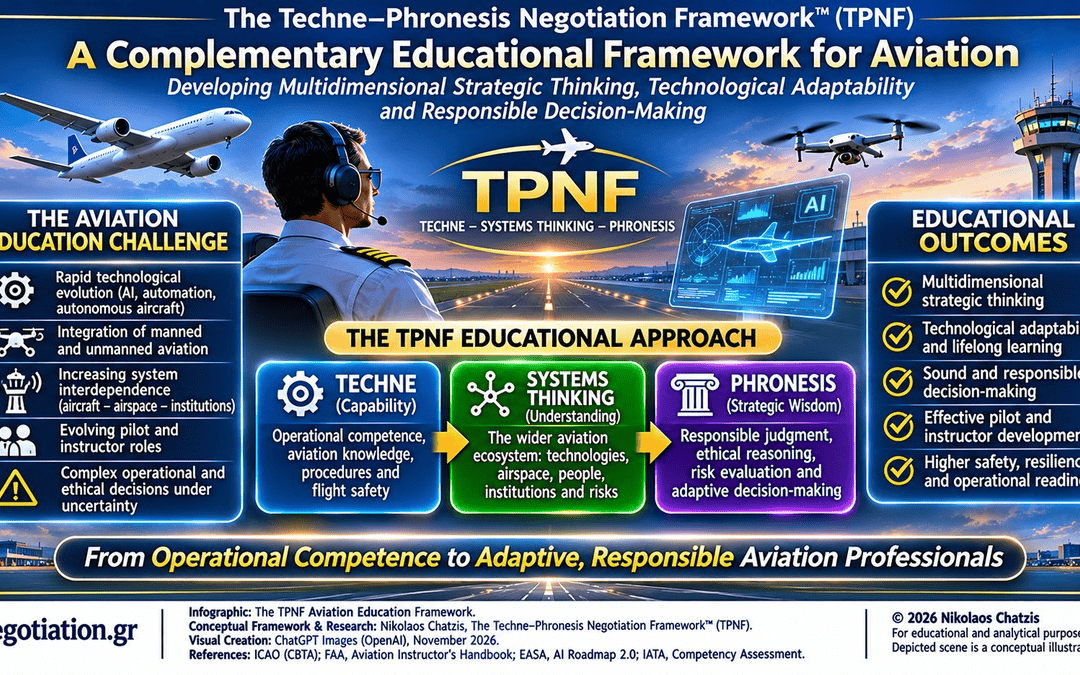
by Nikos Chatzis | 4 Nov, 2026 | Aviation Education, Aviation Technology, Drone Economy, Technology Ecosystems, The Techne–Phronesis Negotiation Framework™
This TPNF essay explores how TPNF could complement aviation education by connecting operational expertise with technological awareness, systems-level reasoning, and responsible decision-making.
It also proposes an educational model suitable for further academic examination, particularly within university aviation programs and professional instructor development.
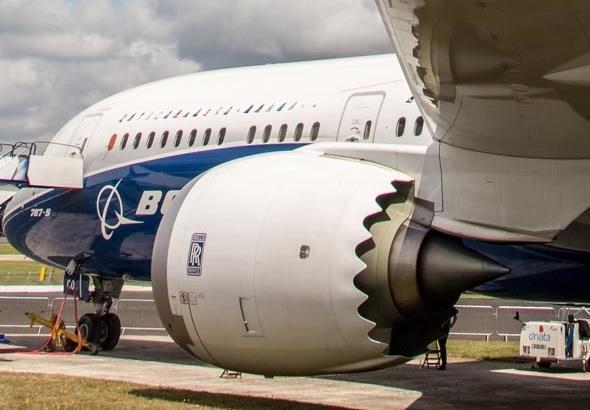
by Nikos Chatzis | 3 Sep, 2026 | Aviation Technology, The Techne–Phronesis Negotiation Framework™
This essay examines RRPF’s decision through TPNF as a case of long-term value creation through localization, ecosystem participation and aviation lifecycle services.
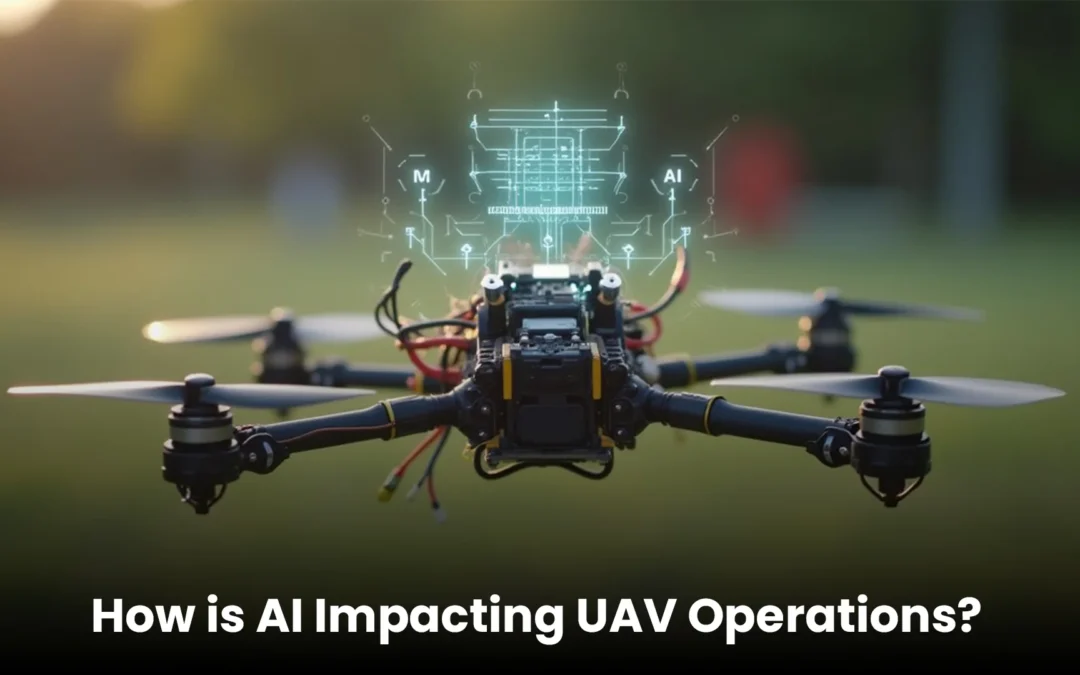
by Nikos Chatzis | 25 Jun, 2026 | Advanced Air Mobility / Urban Air Mobility (AAM) (UAM), Artificial Intelligence, Aviation Technology, Electric Aviation, eVTOL, Geospatial Intelligence, UAVs
The drone industry is entering a new era of technological transformation. For more than two decades, innovation in Unmanned Aircraft Systems (UAS) focused primarily on improving hardware performance, including flight endurance, payload capacity, sensor integration, navigation systems, and communications capabilities. These advances enabled drones to become indispensable tools across a growing range of civilian and defense applications. Just as the combination of computers and the internet revolutionized the global economy, the convergence of Artificial Intelligence and drone technology is poised to redefine the future of aviation, geospatial intelligence, public safety, infrastructure management, logistics, and national defense.

by Nikos Chatzis | 24 Jun, 2026 | 3-D Negotiation, 3-D Διαπραγμάτευση, Aviation Technology, Digital Age, Drone Economy, Drones' Technology Management, eVTOL, Geopolitics, Innovation Ecosystems
The twenty-first century economy is increasingly organized around innovation ecosystems rather than isolated organizations. Emerging technologies such as artificial intelligence, unmanned aircraft systems, geospatial intelligence, advanced telecommunications, autonomous systems, and digital platforms are no longer developed within the boundaries of a single company or institution. The Technology Ecosystem 3D Negotiator is not merely a negotiator, diplomat, manager, or technology expert. Rather, this individual operates at the intersection of technology diplomacy, innovation ecosystem development, strategic negotiation, and international cooperation. Their primary mission is to design and sustain the environments in which innovation can flourish.
by Nikos Chatzis | 23 Jun, 2026 | Artificial Intelligence, Aviation Technology, Electric Aircraft, Electric Aviation, eVTOL, Innovation Ecosystems, UAS Investment, UAVs
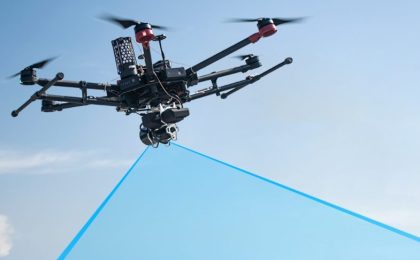
The global drone industry is experiencing a period of unprecedented transformation. Originally developed for military purposes and later expanded into commercial applications, Unmanned Aircraft Systems (UAS) have evolved into strategic technologies influencing economic development, national security, digital transformation, and international competitiveness. This thesis argues that the future success of the drone industry, in both civil and defense sectors, will depend upon the ability of governments, industries, and research communities to build integrated innovation ecosystems capable of fostering cooperation, accelerating technological advancement, and generating sustainable economic and strategic value.