Goal Consulting
The Techne–Phronesis Negotiation Framework™

Technology Diplomacy • Geopolitics • Innovation Ecosystems • Strategic Negotiation

Nikos Chatzis

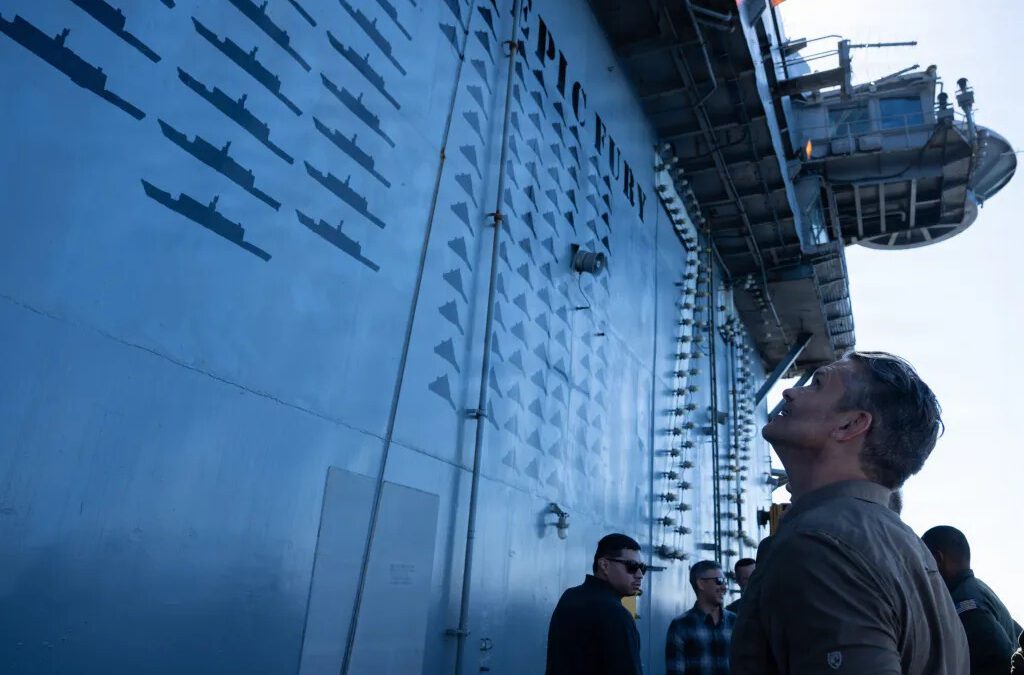
The Techne–Phronesis Negotiation Framework™ (TPNF): Assessing Strategic Credibility Following Iranian Strikes on U.S. Military Bases and the Implications for U.S.–China Competition in the Middle East By Nikos Chatzis / Goal Consulting

The Techne–Phronesis Negotiation Framework™ (TPNF): Assessing Strategic Credibility Following Iranian Strikes on U.S. Military Bases and the Implications for U.S.–China Competition in the Middle East By Nikos Chatzis / Goal Consulting

Recent Iranian attacks against U.S. military facilities in the Middle East have intensified debate regarding deterrence, alliance assurance, and regional stability. These developments occur within a broader geopolitical environment in which China continues to expand its commercial, technological, financial, and diplomatic relationships across the Gulf. Rather than interpreting these developments exclusively through military outcomes, the Techne–Phronesis Negotiation Framework™ (TPNF) examines how strategic credibility emerges from the interaction of military capability, diplomacy, economic influence, technological leadership, institutional resilience, and adaptive governance. The framework argues that credibility is not a static attribute but an emergent property of interconnected strategic ecosystems. States sustain influence not only through force projection but also through resilient partnerships, innovation, trusted institutions, and long-term strategic adaptation.

The Techne–Phronesis Negotiation Framework™ (TPNF): Analyzing Ukraine’s Multi-Domain Robotic Operations and the Emergence of Revolutionary War Robotics By Nikos Chatzis / Goal Consulting

The Techne–Phronesis Negotiation Framework™ (TPNF): Analyzing Ukraine’s Multi-Domain Robotic Operations and the Emergence of Revolutionary War Robotics By Nikos Chatzis / Goal Consulting

The deployment of an armed ground robot from an unmanned naval platform during combat represents more than a technological milestone; it signals the emergence of a new paradigm in warfare. Autonomous systems increasingly operate across land, sea, air, cyberspace, and the electromagnetic spectrum as interconnected ecosystems rather than isolated platforms. The Techne–Phronesis Negotiation Framework™ (TPNF) argues that this transformation reflects the evolution of Revolutionary War Robotics, where technical capability (techne), practical wisdom (phronesis), systems thinking, and adaptive strategic negotiation collectively shape the future of military innovation, strategic resilience, and responsible governance. The purpose of this essay is to examine how recent battlefield developments illustrate a broader transformation in military affairs.

The Techne–Phronesis Negotiation Framework™ (TPNF): Explaining the Role of Artificial Intelligence in Contemporary Diplomacy and Analysing Emerging Geopolitical Challenges By Nikos Chatzis / Goal Consulting

The Techne–Phronesis Negotiation Framework™ (TPNF): Explaining the Role of Artificial Intelligence in Contemporary Diplomacy and Analysing Emerging Geopolitical Challenges By Nikos Chatzis / Goal Consulting

The Techne–Phronesis Negotiation Framework™ (TPNF) proposes that AI should be understood as a strategic capability embedded within complex adaptive diplomatic systems rather than as an autonomous decision-maker. The essay explores the implications of AI for contemporary diplomacy and demonstrates that resilient geopolitical decision-making depends upon the continuous interaction between technological innovation and practical wisdom.

The Techne–Phronesis Negotiation Framework™ (TPNF): Explaining State Competition Through Technological Ecosystems and Contemporary Global Geopolitical Realities By Nikos Chatzis / Goal Consulting

The Techne–Phronesis Negotiation Framework™ (TPNF): Explaining State Competition Through Technological Ecosystems and Contemporary Global Geopolitical Realities By Nikos Chatzis / Goal Consulting

The Techne–Phronesis Negotiation Framework™ (TPNF) proposes that technological ecosystems should be understood as complex adaptive systems governed through the interaction of technical capability (techne), practical wisdom (phronesis), systems thinking, and strategic negotiation. Rather than viewing technological competition as a purely economic or military phenomenon, the framework explains how innovation, governance, institutional learning, and geopolitical strategy co-evolve. This essay demonstrates that sustainable geopolitical influence depends upon the ability to negotiate resilient technological ecosystems capable of adapting continuously to an increasingly uncertain international environment.

The Techne–Phronesis Negotiation Framework™ (TPNF): The Geopolitics of Technological Civilization—Explaining Today’s Realities and Future Ambitions By Nikos Chatzis / Goal Consulting

The Techne–Phronesis Negotiation Framework™ (TPNF): The Geopolitics of Technological Civilization—Explaining Today’s Realities and Future Ambitions By Nikos Chatzis / Goal Consulting

The Techne–Phronesis Negotiation Framework™ (TPNF) argues that technological civilization should be understood as a complex adaptive system in which strategic outcomes emerge through the continuous interaction of technical capability (techne), practical wisdom (phronesis), systems thinking, and adaptive negotiation. Rather than treating technology as an end in itself, the framework emphasizes that its strategic value depends upon wise governance, institutional resilience, ethical leadership, and international cooperation. This essay explores the geopolitical implications of technological civilization and demonstrates how the TPNF provides an integrative architecture for understanding both today’s realities and future ambitions.

The Techne–Phronesis Negotiation Framework™ (TPNF): The Geopolitics of Technological Civilization—Explaining Today’s Realities and Future Ambitions By Nikos Chatzis / Goal Consulting

The Techne–Phronesis Negotiation Framework™ (TPNF): The Geopolitics of Technological Civilization—Explaining Today’s Realities and Future Ambitions By Nikos Chatzis / Goal Consulting

The Techne–Phronesis Negotiation Framework™ (TPNF) proposes that technological civilization should be understood as a complex adaptive system in which strategic outcomes emerge through the continuous interaction of technical capability (techne), practical wisdom (phronesis), systems thinking, and adaptive negotiation. Rather than viewing technology as an independent source of power, the framework demonstrates that its strategic value depends upon the capacity to integrate innovation with governance, ethics, institutional learning, and international cooperation. This essay explores the geopolitical implications of technological civilization and argues that future ambitions will be realized through resilient networks rather than isolated capabilities.