by Nikos Chatzis | 19 Jul, 2026 | The Techne–Phronesis Negotiation Framework™, UnManned Aerial Vehicles, War Robotis
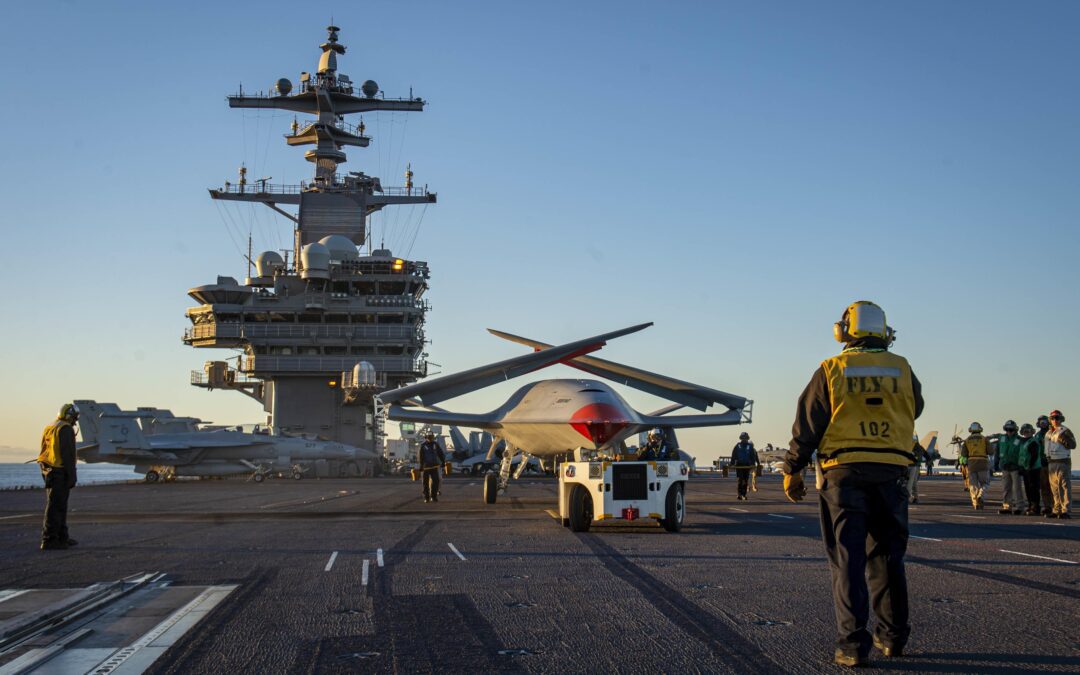
The purpose of this essay is to examine the strategic implications of the United States Navy’s interest in future carrier-based tactical drone fleets capable of conducting long-range strike, reconnaissance, electronic warfare, and supporting missions. The essay applies the Techne–Phronesis Negotiation Framework™ (TPNF) to analyze how such unmanned systems may reshape carrier aviation, distributed maritime operations, alliance interoperability, defence-industrial cooperation, operational resilience, and network-centric warfare.
by Nikos Chatzis | 14 Jul, 2026 | Geopolitics, Robotics, Strategic Governance, Strategic Leadership, The Techne–Phronesis Negotiation Framework™, War Robotis
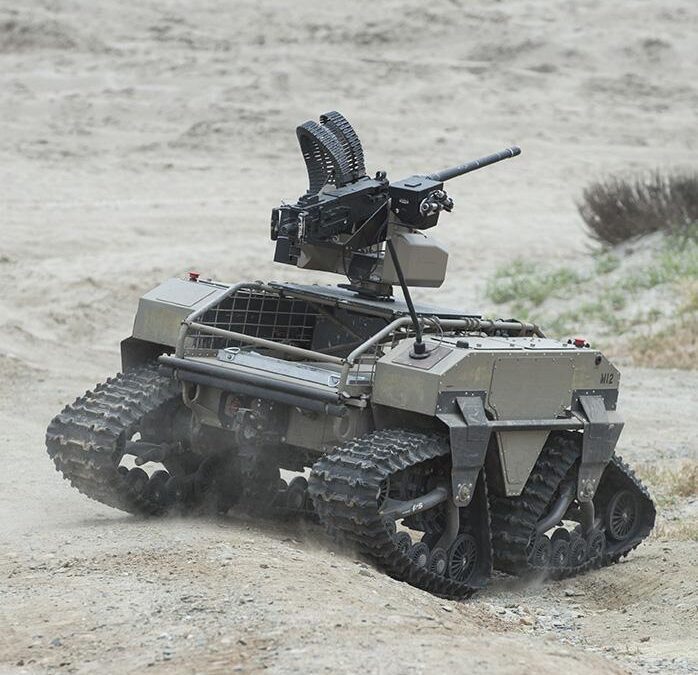
The deployment of an armed ground robot from an unmanned naval platform during combat represents more than a technological milestone; it signals the emergence of a new paradigm in warfare. Autonomous systems increasingly operate across land, sea, air, cyberspace, and the electromagnetic spectrum as interconnected ecosystems rather than isolated platforms. The Techne–Phronesis Negotiation Framework™ (TPNF) argues that this transformation reflects the evolution of Revolutionary War Robotics, where technical capability (techne), practical wisdom (phronesis), systems thinking, and adaptive strategic negotiation collectively shape the future of military innovation, strategic resilience, and responsible governance. The purpose of this essay is to examine how recent battlefield developments illustrate a broader transformation in military affairs.