
by Nikos Chatzis | 6 Sep, 2026 | Technology Diplomacy, Technology Ecosystems, Technology Evolution, Technology Geopolitics, Technology Transfer, The Techne–Phronesis Negotiation Framework™, Value Creation
This essay examines technological determinism through the emerging ecosystem structure of contemporary technological civilization. Its central question is: If technology creates increasingly powerful possibilities, what determines whether those possibilities produce lasting human, economic and strategic value? TPNF argues that the answer lies increasingly in the interaction among technology, human agency, institutions, systems and ecosystems.

by Nikos Chatzis | 27 Aug, 2026 | Strategic Theory, Technological Civilization, Technology Corridors, Technology Ecosystems, Technology Evolution, Technology Geopolitics, Technology Transfer, The Techne–Phronesis Negotiation Framework™, Value Creation
This essay develops an integrative TPNF interpretation of contemporary technological civilization. Its purpose is to connect technology evolution, convergence, Systems Thinking, ecosystems, negotiation, human–AI collaboration, institutional adaptation and Phronesis into a unified strategic architecture.

by Nikos Chatzis | 24 Aug, 2026 | Strategic Analysis, Strategic Governance, Strategic Leadership, Strategic Management, Strategic Negotiation, Technological Civilization, Technology Ecosystems, Technology Transfer, The Techne–Phronesis Negotiation Framework™, Value Creation
This essay explores one of the foundational questions of TPNF: What makes strategic value last?
Its purpose is to distinguish temporary advantage from sustainable strategic value and explain why long-term value increasingly depends upon adaptability, ecosystem relationships, institutional legitimacy, learning and practical wisdom.

by Nikos Chatzis | 23 Aug, 2026 | Technology Corridors, Technology Diplomacy, Technology Ecosystems, Technology Evolution, Technology Geopolitics, Technology Transfer, The Techne–Phronesis Negotiation Framework™, Value Creation
The purpose of this essay is to explain why TPNF should increasingly be understood beyond the conventional boundaries of negotiation theory. Negotiation remains fundamental because technological civilization continuously requires choices among competing interests, capabilities, risks and visions of the future. But TPNF addresses a broader strategic challenge: How can individuals, organizations, states and societies understand, negotiate and govern technological transformation in ways that create lasting value? This question places TPNF at the intersection of technology, systems thinking, strategy, negotiation and practical wisdom.
by Nikos Chatzis | 26 Jul, 2026 | Industrial Production, Technology Ecosystems, Technology Evolution, Technology Geopolitics, Technology Transfer, The New Economy, The Techne–Phronesis Negotiation Framework™
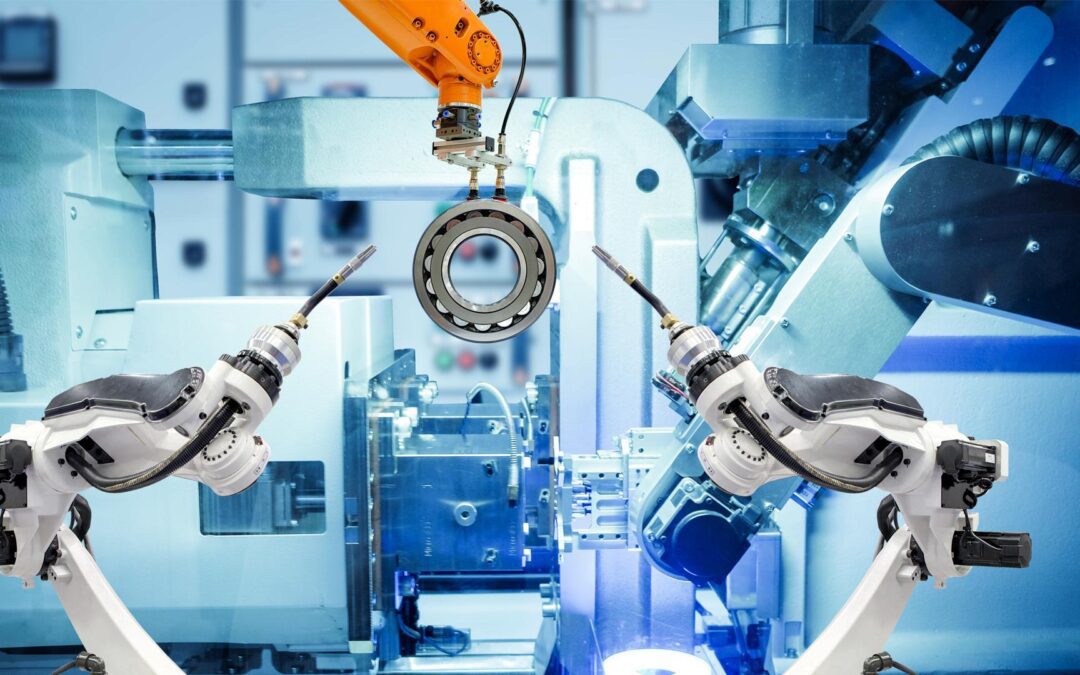
This essay applies the Techne–Phronesis Negotiation Framework™ (TPNF) to examine the contemporary challenges of AI adoption in technology and industrial production. Using China as a case study, it argues that successful AI transformation requires more than technological investment; it demands systemic integration, organizational adaptation, collaborative governance, and strategic leadership capable of creating sustainable long-term value.
by Nikos Chatzis | 15 Jul, 2026 | Industrial Policy, Supply Chains, Technology Corridors, Technology Diplomacy, Technology Ecosystems, Technology Evolution, Technology Geopolitics, Technology Transfer
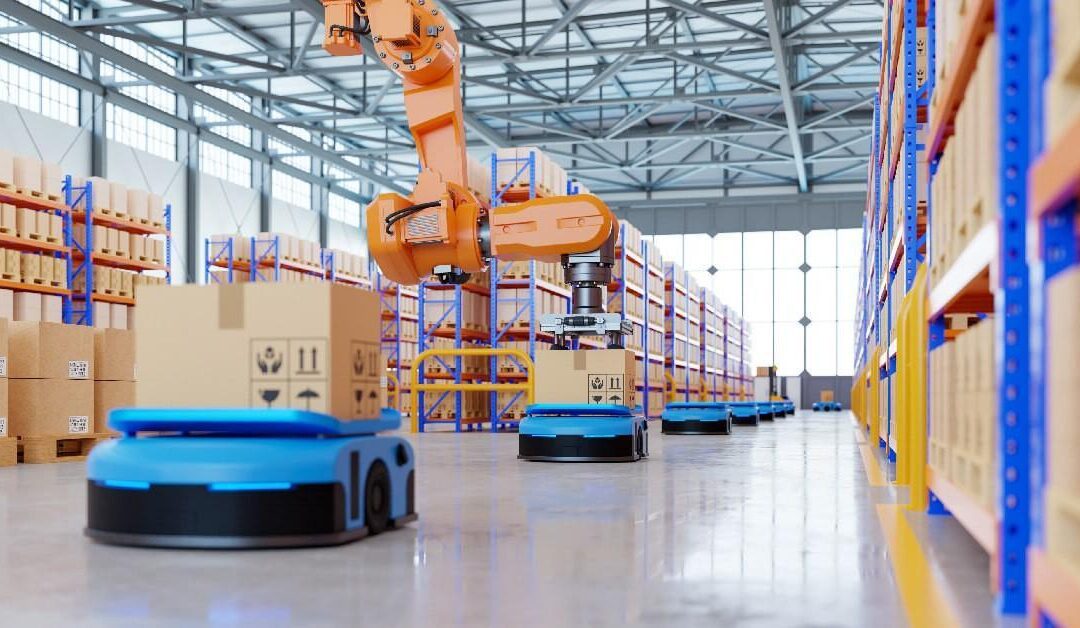
The purpose of this essay is to explain how contemporary supply chains have become multidimensional strategic ecosystems operating at the intersection of technology, industrial policy, finance, diplomacy, and national strategy. The Techne–Phronesis Negotiation Framework™ (TPNF) argues that future prosperity depends not upon optimizing individual supply chains, but upon governing interconnected strategic ecosystems through the integration of technical capability (techne), practical wisdom (phronesis), systems thinking, and adaptive strategic negotiation.