
by Nikos Chatzis | 1 Aug, 2026 | Artificial Intelligence, Geopolitics, The Techne–Phronesis Negotiation Framework™
This essay examines the strategic implications of Chinese military researchers’ reported use of U.S.-developed AI model outputs, analyzes how artificial intelligence is becoming a central element of geopolitical competition, and explains why AI leadership is increasingly intertwined with national security and strategic autonomy. Through the Techne–Phronesis Negotiation Framework™ (TPNF), this development illustrates how AI competition is reshaping military innovation, technological sovereignty, and the global balance of power. Reuters reported that its review of more than 80 Chinese academic papers and patents found evidence that researchers linked to the People’s Liberation Army used outputs from OpenAI and Anthropic models in “model distillation” efforts to train specialized domestic systems.

by Nikos Chatzis | 27 Jul, 2026 | Artificial Intelligence, Comparative Advantage, The Techne–Phronesis Negotiation Framework™
This essay examines how Artificial Intelligence is reshaping comparative advantage in the contemporary global economy through the analytical perspective of the Techne–Phronesis Negotiation Framework™ (TPNF). It identifies the characteristics of future winners and losers and argues that long-term prosperity depends upon the strategic integration of technology, institutions, ecosystems, leadership, and wisdom.

by Nikos Chatzis | 12 Jul, 2026 | Artificial Intelligence, Contemporary Diplomacy, Geopolitics, The Techne–Phronesis Negotiation Framework™
The Techne–Phronesis Negotiation Framework™ (TPNF) proposes that AI should be understood as a strategic capability embedded within complex adaptive diplomatic systems rather than as an autonomous decision-maker. The essay explores the implications of AI for contemporary diplomacy and demonstrates that resilient geopolitical decision-making depends upon the continuous interaction between technological innovation and practical wisdom.
by Nikos Chatzis | 5 Jul, 2026 | 3-D Negotiation, Artificial Intelligence, Platform Ecosystems, Tech Economy of Software, Technology Ecosystems, The Techne–Phronesis Negotiation Framework™
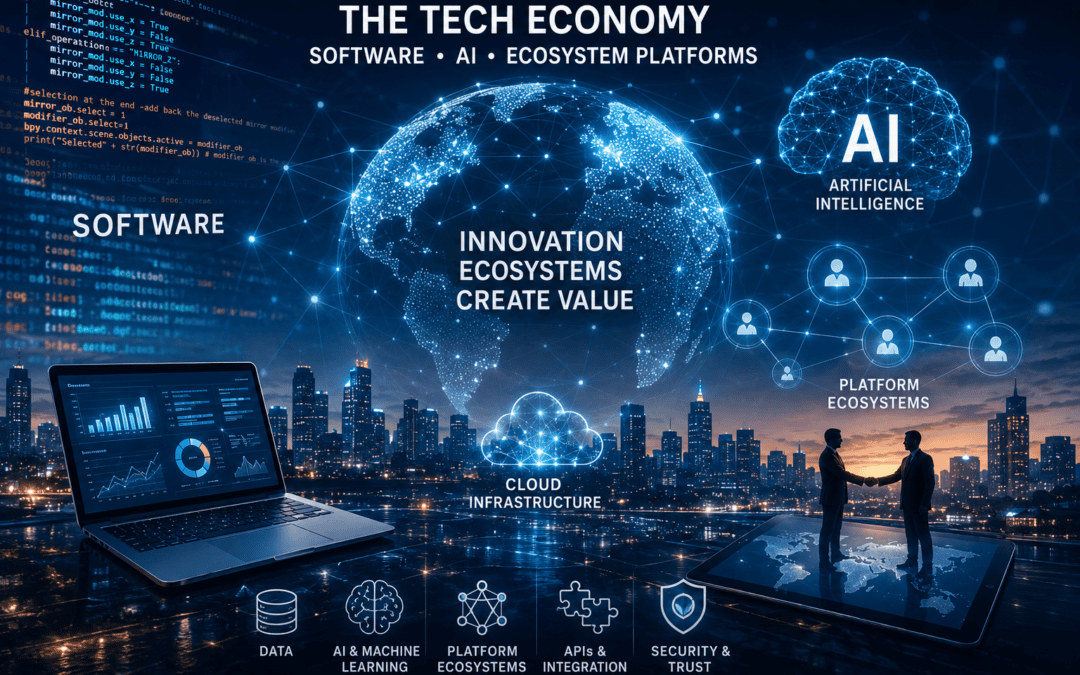
This essay argues that The Techne–Phronesis Negotiation Framework™ explains the evolution of the Tech Economy by integrating Technology (Techne), Systems Thinking, Strategic Wisdom (Phronesis), Strategic Negotiation, and Platform Ecosystems into a comprehensive model for resilient innovation and sustainable value creation.
by Nikos Chatzis | 25 Jun, 2026 | Advanced Air Mobility / Urban Air Mobility (AAM) (UAM), Artificial Intelligence, Aviation Technology, Electric Aviation, eVTOL, Geospatial Intelligence, UAVs
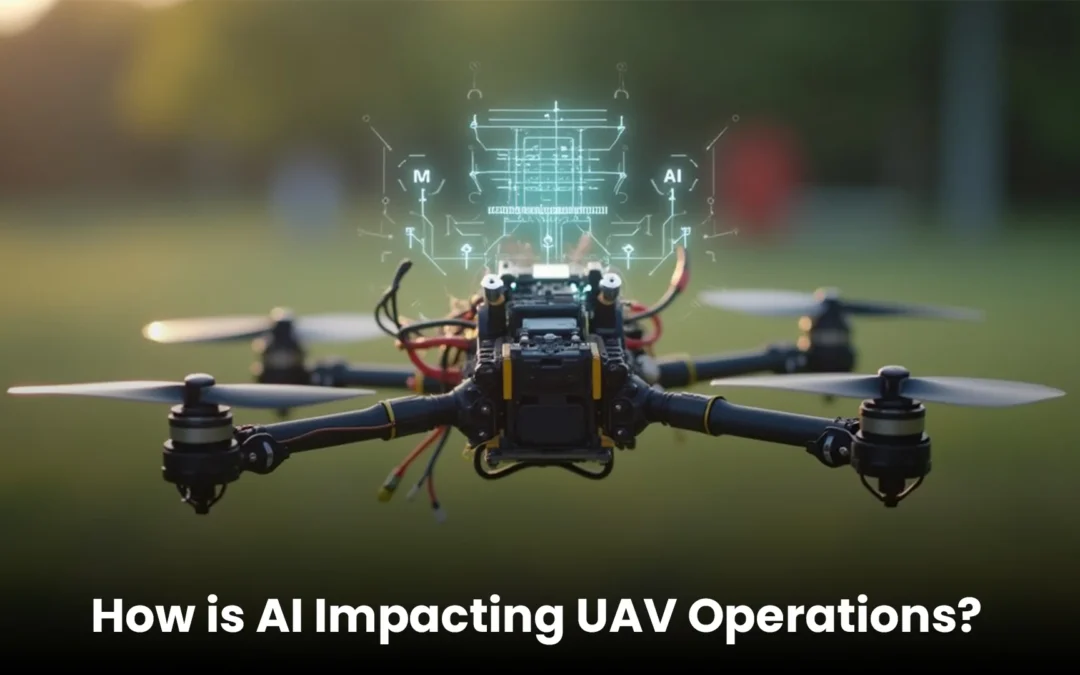
The drone industry is entering a new era of technological transformation. For more than two decades, innovation in Unmanned Aircraft Systems (UAS) focused primarily on improving hardware performance, including flight endurance, payload capacity, sensor integration, navigation systems, and communications capabilities. These advances enabled drones to become indispensable tools across a growing range of civilian and defense applications. Just as the combination of computers and the internet revolutionized the global economy, the convergence of Artificial Intelligence and drone technology is poised to redefine the future of aviation, geospatial intelligence, public safety, infrastructure management, logistics, and national defense.
by Nikos Chatzis | 23 Jun, 2026 | Artificial Intelligence, Aviation Technology, Electric Aircraft, Electric Aviation, eVTOL, Innovation Ecosystems, UAS Investment, UAVs
The global drone industry is experiencing a period of unprecedented transformation. Originally developed for military purposes and later expanded into commercial applications, Unmanned Aircraft Systems (UAS) have evolved into strategic technologies influencing economic development, national security, digital transformation, and international competitiveness. This thesis argues that the future success of the drone industry, in both civil and defense sectors, will depend upon the ability of governments, industries, and research communities to build integrated innovation ecosystems capable of fostering cooperation, accelerating technological advancement, and generating sustainable economic and strategic value.