by Nikos Chatzis | 13 Sep, 2026 | geoeconomics, Geoeconomy, Geopolitics, Oil Economy, The Techne–Phronesis Negotiation Framework™, War
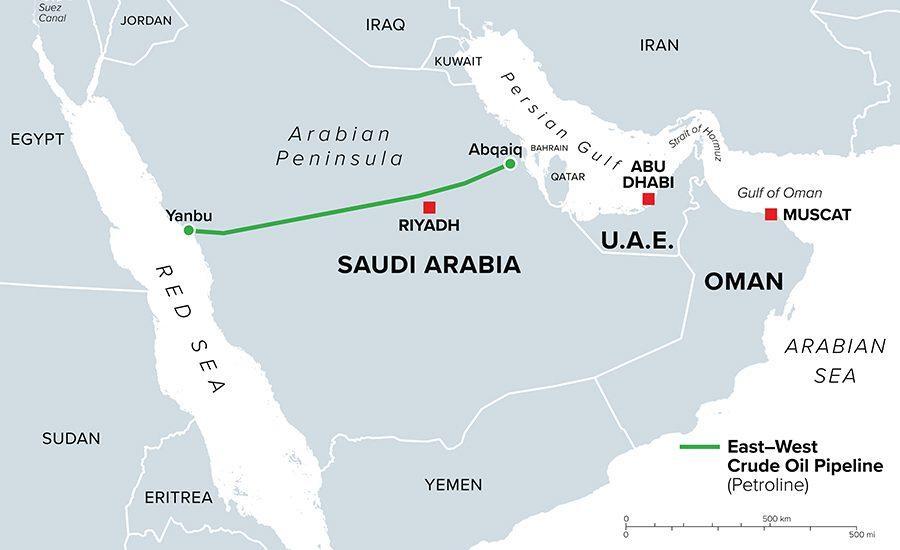
This TPNF essay examines how the Houthi advance in Yemen, attacks against Saudi energy infrastructure, disruption around Hormuz and increasing inflationary pressures are becoming interconnected components of the same strategic system. Through the Techne–Phronesis Negotiation Framework™ (TPNF), it asks whether military escalation can become strategically self-constraining when its economic consequences progressively reduce the freedom of action of the power pursuing it.

by Nikos Chatzis | 11 Sep, 2026 | Geopolitics, The Techne–Phronesis Negotiation Framework™, War
This TPNF essay examines the economic consequences of the Houthi advance along Yemen’s Red Sea coast and the associated increase in risks surrounding Saudi oil exports. It connects developments around Bab el-Mandeb with rising oil prices, increasing government bond yields, inflation expectations and monetary-policy pressures. Its central argument is that contemporary geopolitical shocks increasingly propagate through interconnected ecosystems.

by Nikos Chatzis | 10 Sep, 2026 | Geopolitics, Operational Capability, The Techne–Phronesis Negotiation Framework™, War
This TPNF essay examines the current disposition of U.S. aircraft carriers and distinguishes between numerical fleet strength, active deployment and effective operational capability. It argues that evaluating naval power requires understanding not only where carriers are located but also readiness, air-wing capability, logistics, crew endurance, maintenance, ammunition, escort availability and the capacity to rotate forces without creating strategic gaps elsewhere.
by Nikos Chatzis | 9 Sep, 2026 | MALE UAVs, Military UAS Technology, Modern Network-Centric Warfare, The Techne–Phronesis Negotiation Framework™, UCAV, War, War Drones
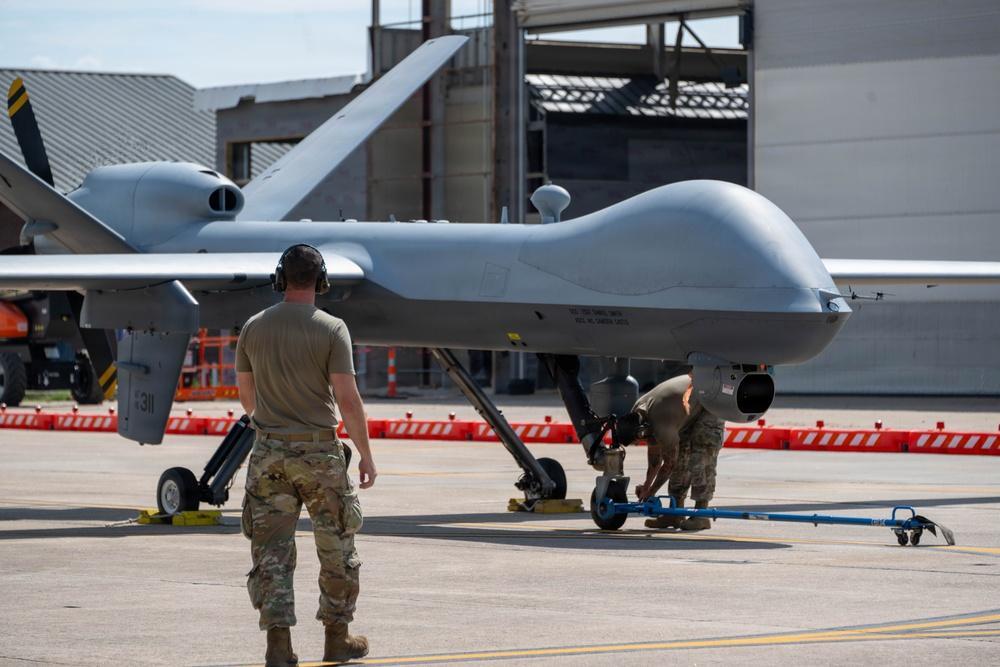
This TPNF essay examines General Atomics’ Wildfire concept within the Pentagon’s search for a new generation of lower-cost, modular MALE unmanned aircraft. It asks whether the evolution beyond the MQ-9 represents primarily technological innovation or something more fundamental: a reassessment of the relationship between capability, cost, survivability, quantity and operational sustainability.
by Nikos Chatzis | 7 Sep, 2026 | Technology Ecosystems, The Techne–Phronesis Negotiation Framework™, War, War Drones
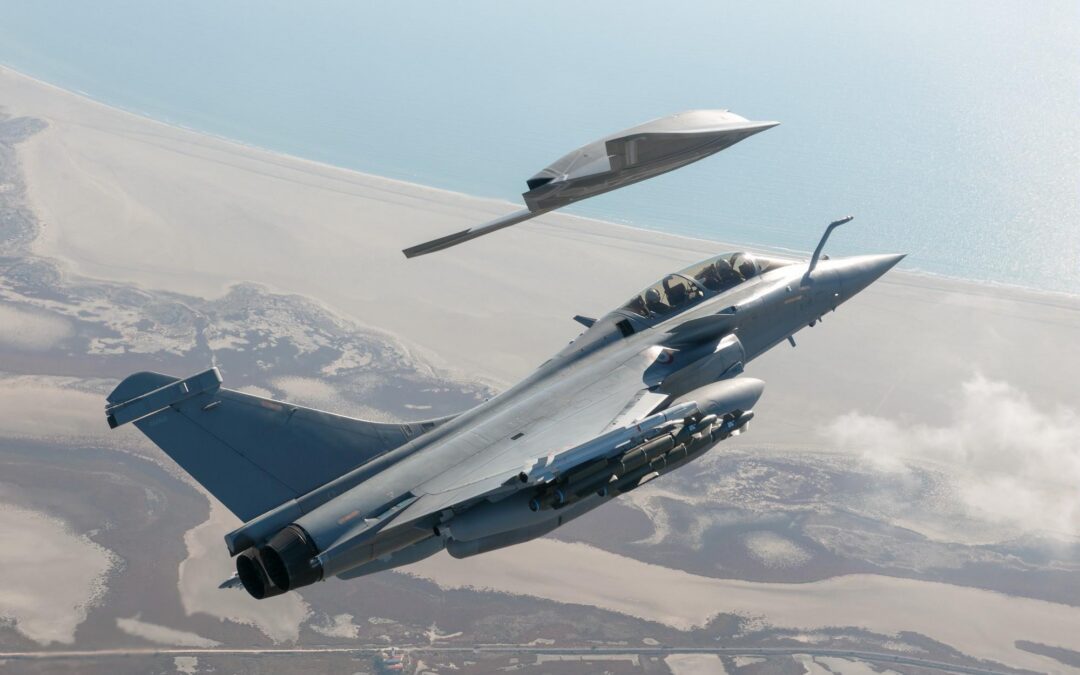
This TPNF essay examines the development of a stealth UCAV designed to operate alongside the future Rafale F5 and asks what this tells us about the continuing strategic relevance of advanced 4.5-generation fighters. The purpose is not to argue that 4.5-generation aircraft become equivalent to purpose-designed stealth fighters. They do not.
by Nikos Chatzis | 4 Sep, 2026 | anti-Drone Warfare, Artificial Intelligence AI, drone ecosystems, Drone warfare, The Techne–Phronesis Negotiation Framework™, War
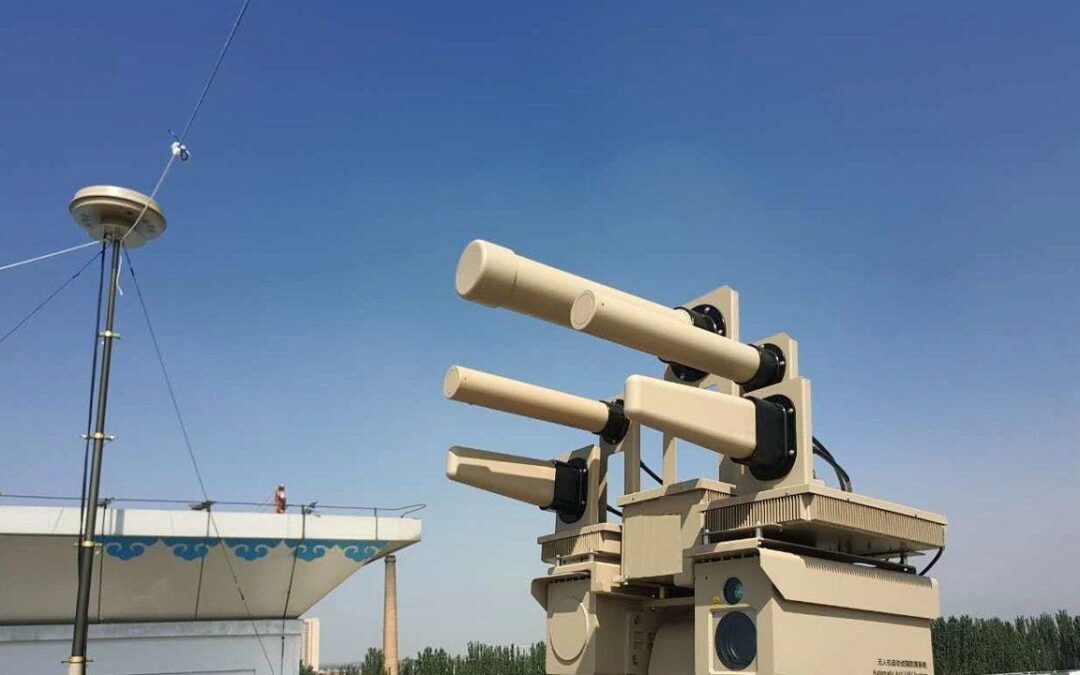
This essay examines through TPNF how AI-enabled autonomy is transforming drone warfare and consequently changing the technological requirements of drone detection and counter-UAS systems. Using Greece’s Centaurus, Telemachus and Hyperion programs, it argues that future counter-drone superiority will depend not upon one permanent technological solution, but upon the ability to continuously adapt the detection and response architecture faster than the threat evolves.