
by Nikos Chatzis | 24 Sep, 2026 | Ecosystem Dynamics, Ecosystem Governance, Ecosystem Strategy, Ecosystem Thinking, Network Ecosystems, New Economy, The Techne–Phronesis Negotiation Framework™
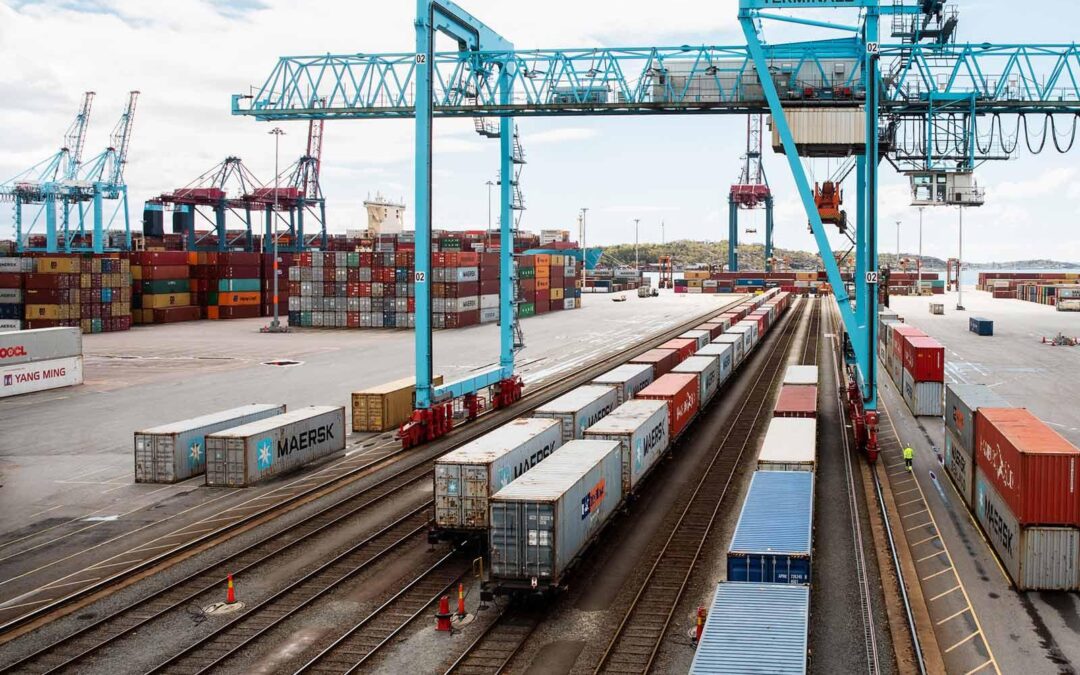
This TPNF essay examines why German automotive executives are calling for deeper cooperation with China in batteries, AI, automated driving and NEVs, and what this reveals about technological competition. The central question is whether cooperation strengthens German industrial capability—or creates new strategic dependencies. The answer may be: both.
by Nikos Chatzis | 7 Jul, 2026 | Geopolitics, New Economy, Strategic Leadership, Strategic Management, Strategic Negotiation, Strategic Thinking
Greece is increasingly more strategically important and useful for U.S. interests because it combines NATO membership, EU membership, energy infrastructure, democratic alignment, access to the Balkans, proximity to Ukraine, cooperation with Israel and Cyprus, and potential connectivity with India through IMEC. This thesis argues that the Greece–Cyprus–Israel–UAE–India grouping better serves long-term U.S. interests than the competing Turkey–China–Pakistan–Saudi Arabia–Qatar configuration.
by Nikos Chatzis | 4 Jul, 2026 | 3-D Negotiation, New Economy, Systems Thinking, Technology Corridors, Technology Diplomacy, Technology Ecosystems, Technology Evolution, Technology Geopolitics, Technology Transfer, The Techne–Phronesis Negotiation Framework™
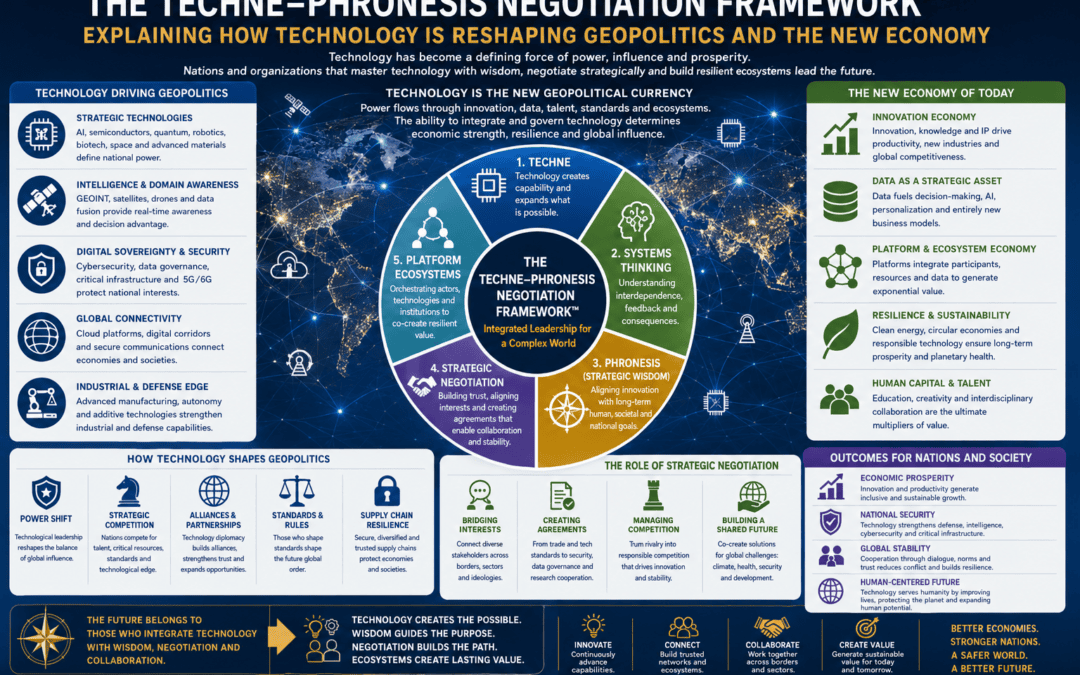
Economic power is progressively determined by the capacity to innovate, coordinate ecosystems, govern critical technologies, and transform knowledge into sustainable value. This essay argues that The Techne–Phronesis Negotiation Framework™ provides an integrated perspective for understanding this transformation by combining Technology (Techne), Systems Thinking, Strategic Wisdom (Phronesis), Strategic Negotiation, and Platform Ecosystems into a unified model for technological leadership in the twenty-first century.