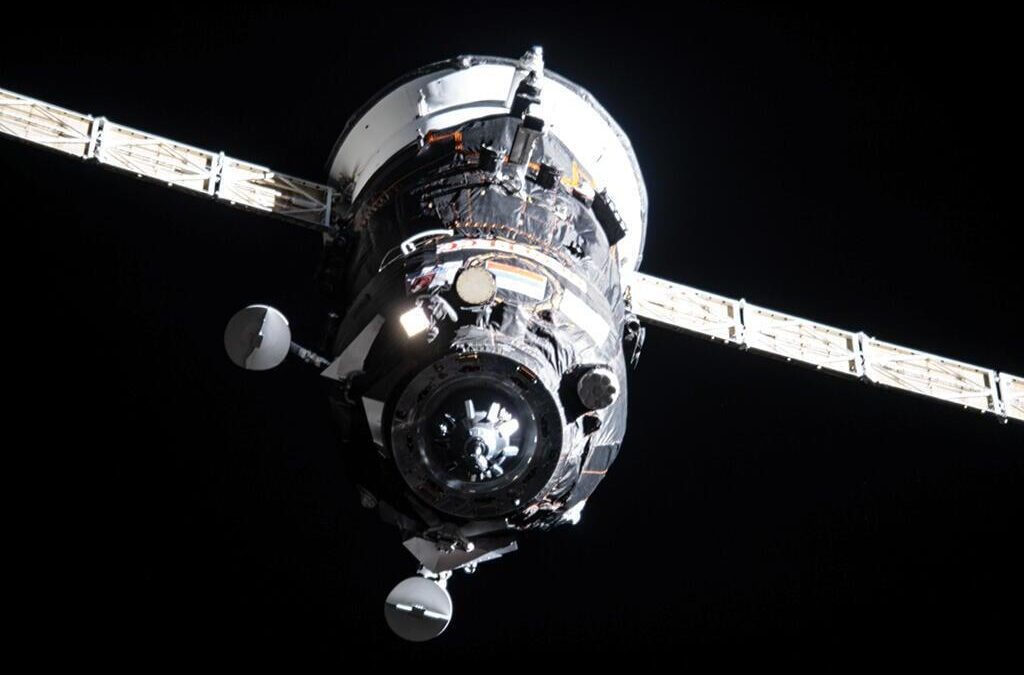
by Nikos Chatzis | 22 Sep, 2026 | Space, The Techne–Phronesis Negotiation Framework™, Value Creation
This TPNF essay examines the Progress 96 mission not simply as an ISS resupply flight but as an example of how repeated orbital logistics can generate cumulative strategic value. The central question is: Can routine space operations continuously transform consumable resources into enduring capabilities for humanity beyond Earth?
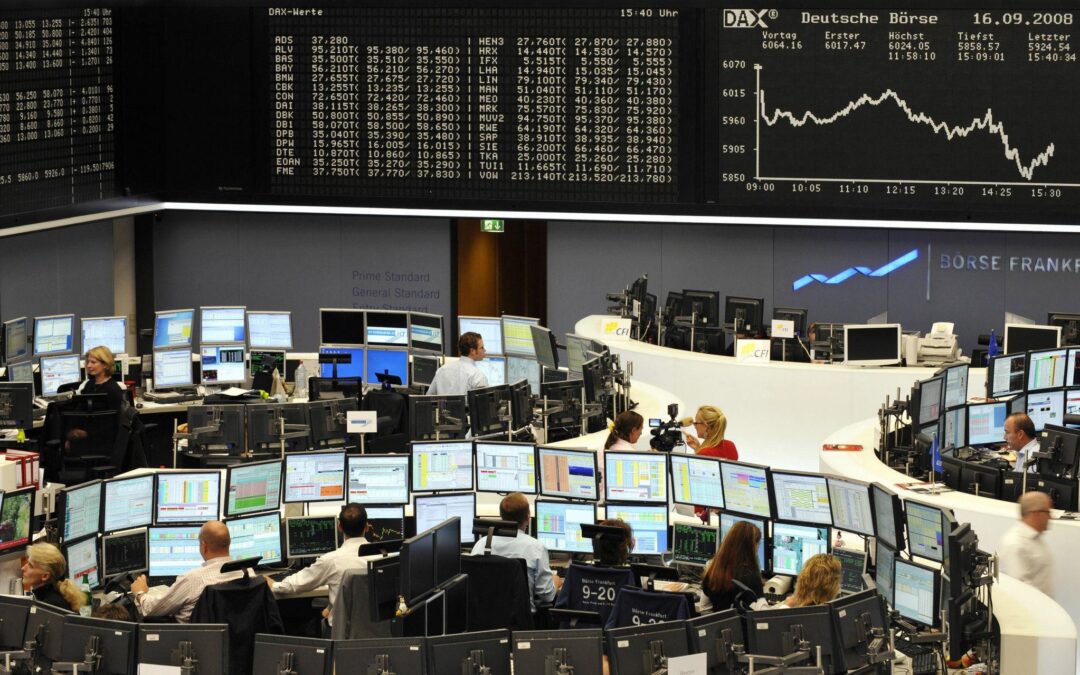
by Nikos Chatzis | 15 Sep, 2026 | Geopolitics, The Techne–Phronesis Negotiation Framework™, Value Creation, War
This TPNF essay examines how financial ecosystems can respond strategically to geopolitical disruption. Using the Houthi crisis and wider Middle East conflict as a contemporary case, it argues that financial resilience depends not merely on preventing instability but on connecting monetary policy, banking, capital markets, governments, technology and institutional coordination into an adaptive ecosystem.

by Nikos Chatzis | 14 Sep, 2026 | Ecosystem Dynamics, Ecosystem Governance, Ecosystem Strategy, Ecosystem Thinking, The Techne–Phronesis Negotiation Framework™, Value Creation
The purpose of this TPNF essay is to develop a general TPNF theory of ecosystem strategic value.
It challenges the assumption that accumulating technologies, institutions, knowledge, capital or infrastructure automatically produces strategic advantage. Instead, TPNF argues that ecosystem performance depends upon the relationships connecting capabilities and upon the mechanisms through which those capabilities can be activated, coordinated, adapted and converted into sustainable outcomes.

by Nikos Chatzis | 10 Sep, 2026 | Space, The Techne–Phronesis Negotiation Framework™, Value Creation
This TPNF essay examines human space exploration as both an inspirational civilizational project and an emerging foundation for extraterrestrial value creation. It argues that scientific exploration, human spaceflight, robotics, communications, energy systems, autonomous technologies and space infrastructure gradually create capabilities that future generations may transform into forms of value that cannot yet be completely predicted.
by Nikos Chatzis | 9 Sep, 2026 | Economy, The Techne–Phronesis Negotiation Framework™, Value Creation
This TPNF essay explains how monetary institutions, governments, financial markets, technology platforms and private actors interact in creating—or undermining—long-term economic stability.
It moves beyond the traditional question of which institution is responsible for economic stability and asks instead: How must different economic actors interact so that stability does not merely preserve today’s economy but increases its capacity to adapt to tomorrow’s disruptions?
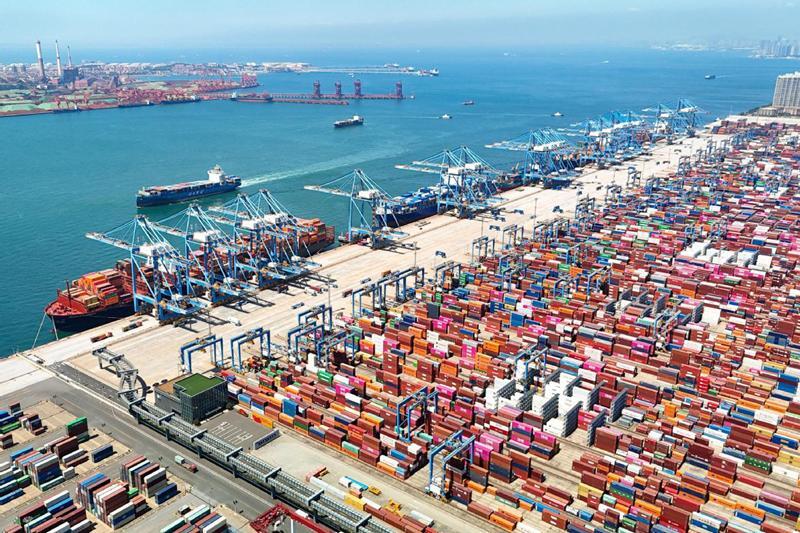
by Nikos Chatzis | 8 Sep, 2026 | Economy, The Techne–Phronesis Negotiation Framework™, Value Creation
This TPNF essay explains how global supply-chain cooperation can contribute to China’s economic stability through long-term value creation. It examines trade, foreign investment, intermediate goods, logistics, industrial learning, market diversification and international production networks as interconnected components of economic resilience.The deeper TPNF question is: How can participation in global supply chains be converted from economic connectivity into lasting strategic capability?