by Nikos Chatzis | 5 Sep, 2026 | Drones' Technology Management, Economy, Low Altitude Economy (LAE), The Techne–Phronesis Negotiation Framework™
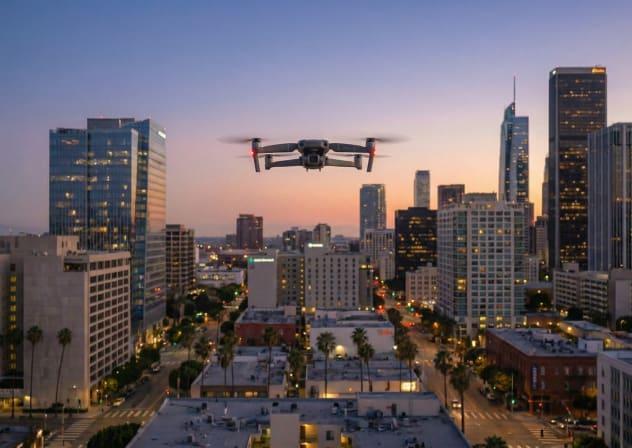
This essay through TPNF examines the Low-Altitude Economy as an emerging dimension of technological civilization and asks a central strategic question: How can societies convert access to low-altitude airspace into sustainable economic, technological and societal value? The answer depends not simply upon producing more drones.
by Nikos Chatzis | 23 Jul, 2026 | Drone Economy, Drone Training, Drones' Technology Management, The Techne–Phronesis Negotiation Framework™, Value Creation
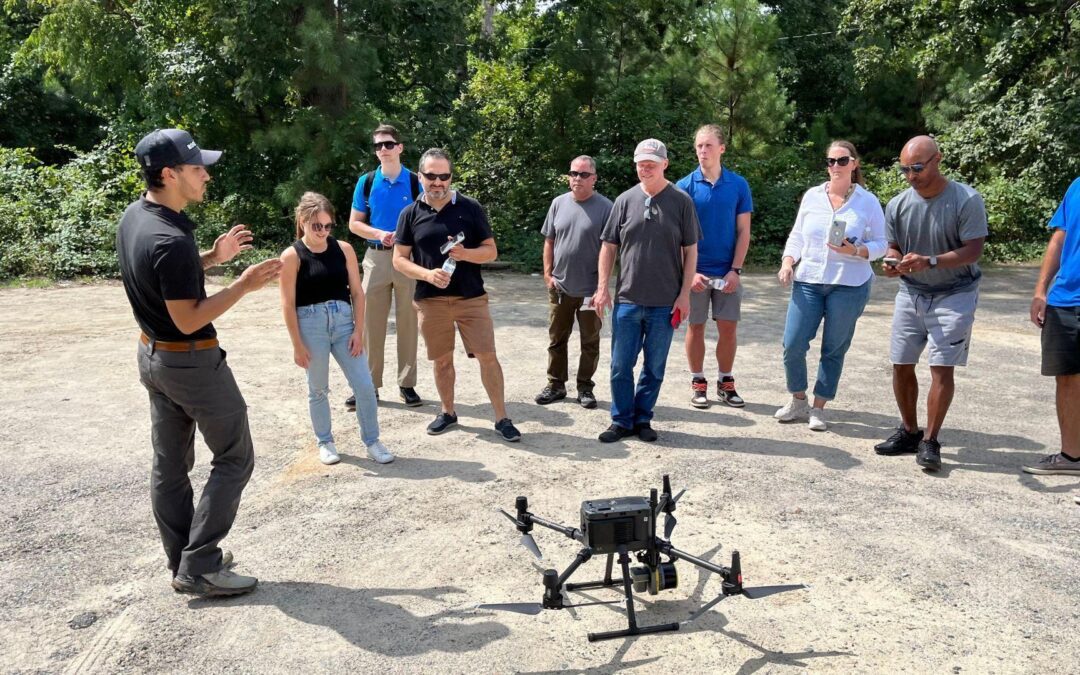
This essay examines the contemporary challenges facing drone training through the Techne–Phronesis Negotiation Framework™ (TPNF). It argues that future drone education must evolve beyond flight proficiency toward developing adaptive professionals capable of integrating technological innovation, regulatory compliance, ecosystem collaboration, and strategic decision-making to generate long-term value across commercial, governmental, and societal applications.
by Nikos Chatzis | 14 Jul, 2026 | Drone warfare, Drones' Technology Management, The Techne–Phronesis Negotiation Framework™, Value Creation
The global drone economy is rapidly evolving from a specialized aerospace market into a strategic technological ecosystem that integrates artificial intelligence, autonomous systems, advanced manufacturing, digital infrastructure, logistics, agriculture, energy, environmental monitoring, public safety, and defense. The Techne–Phronesis Negotiation Framework™ (TPNF) argues that long-term competitiveness emerges through the integration of technical capability (techne), practical wisdom (phronesis), systems thinking, and adaptive strategic negotiation, enabling societies to convert technological innovation into enduring strategic prosperity.
by Nikos Chatzis | 29 Jun, 2026 | drone ecosystems, Drones' Technology Management, GEOINT, Geospatial Intelligence, Research & Development, Technology Corridors, Technology Diplomacy, Technology Ecosystems, Technology Evolution, Technology Transfer, UAVs
This essay argues that the evolution of drone technology reflects the broader transition from industrial civilization to technological civilization.

by Nikos Chatzis | 24 Jun, 2026 | 3-D Negotiation, 3-D Διαπραγμάτευση, Aviation Technology, Digital Age, Drone Economy, Drones' Technology Management, eVTOL, Geopolitics, Innovation Ecosystems
The twenty-first century economy is increasingly organized around innovation ecosystems rather than isolated organizations. Emerging technologies such as artificial intelligence, unmanned aircraft systems, geospatial intelligence, advanced telecommunications, autonomous systems, and digital platforms are no longer developed within the boundaries of a single company or institution. The Technology Ecosystem 3D Negotiator is not merely a negotiator, diplomat, manager, or technology expert. Rather, this individual operates at the intersection of technology diplomacy, innovation ecosystem development, strategic negotiation, and international cooperation. Their primary mission is to design and sustain the environments in which innovation can flourish.
by Nikos Chatzis | 23 Jun, 2026 | Drones' Technology Management, Geospatial Intelligence, Innovation Ecosystems
Drone technology is rapidly becoming one of the most transformative innovations of the twenty-first century. The question facing policymakers, industry leaders, and innovators is therefore not simply how to build better drones, but how to create the ecosystems that enable drone technology to maximize its contribution to economic prosperity, societal well-being, and strategic resilience.