by Nikos Chatzis | 21 Sep, 2026 | Economy, Geoeconomy, Geopolitics, Global Economy, Global Trade, The Techne–Phronesis Negotiation Framework™, War
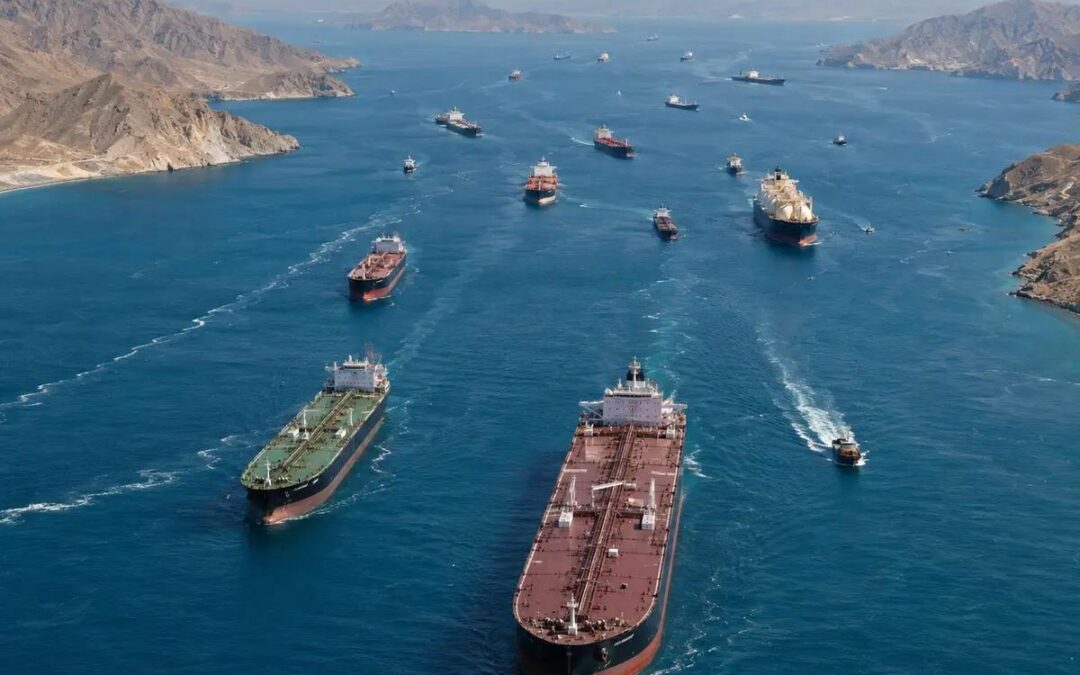
This TPNF essay examines why a single unattributed attack against a commercial tanker can acquire strategic significance far beyond the physical damage it causes. The central question is:
How does a relatively limited event inside a critical geopolitical chokepoint alter strategic calculations when military escalation and diplomatic negotiations coexist?
by Nikos Chatzis | 17 Sep, 2026 | Economy, Ecosystem Governance, geoeconomics, Geoeconomy, Geopolitics, Global Trade, The Techne–Phronesis Negotiation Framework™
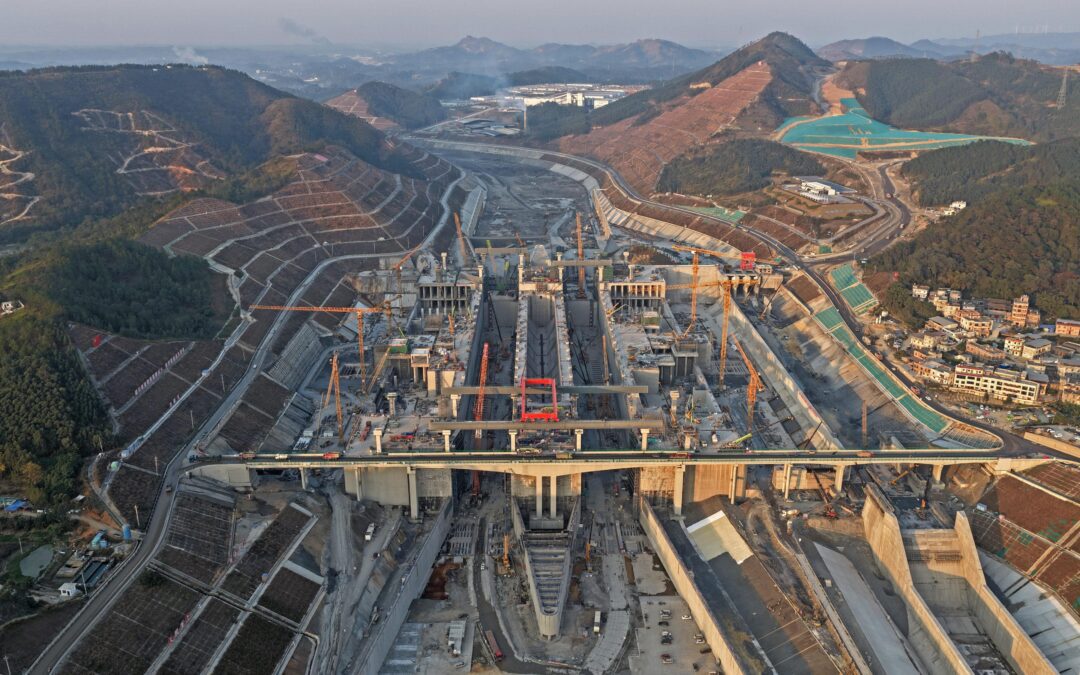
This TPNF essay examines the Pinglu Canal through the TPNF perspective of ecosystem development and strategic value creation. The central question is not simply how many ships will use the canal. It is: How can a new physical connection reorganize economic geography and generate capabilities that did not previously exist?
by Nikos Chatzis | 13 Sep, 2026 | geoeconomics, Geoeconomy, Geopolitics, Oil Economy, The Techne–Phronesis Negotiation Framework™, War
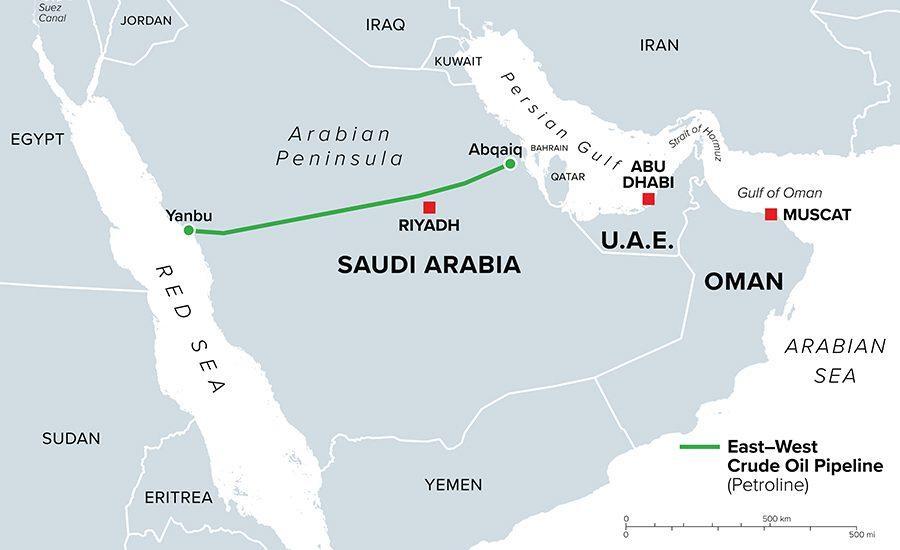
This TPNF essay examines how the Houthi advance in Yemen, attacks against Saudi energy infrastructure, disruption around Hormuz and increasing inflationary pressures are becoming interconnected components of the same strategic system. Through the Techne–Phronesis Negotiation Framework™ (TPNF), it asks whether military escalation can become strategically self-constraining when its economic consequences progressively reduce the freedom of action of the power pursuing it.

by Nikos Chatzis | 3 Aug, 2026 | Geoeconomy, Negotiation Ecosystems, Network Ecosystems, Technology Ecosystems, The Techne–Phronesis Negotiation Framework™
This essay develops a comprehensive TPNF perspective on the evolution of three fundamental ecosystem categories that increasingly shape global affairs. It argues that technological innovation, strategic negotiation, and geoeconomic interdependence should be understood not as separate domains but as interconnected ecosystem dynamics that collectively determine long-term competitiveness and societal development.
by Nikos Chatzis | 21 Jul, 2026 | geoeconomics, Geoeconomy, Geopolitics, The Techne–Phronesis Negotiation Framework™
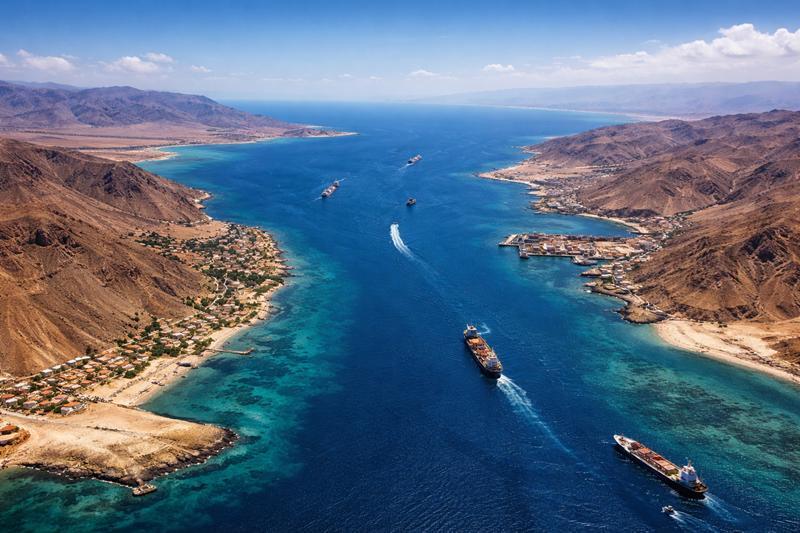
The purpose of this essay is to examine how Houthi maritime operations influence Saudi maritime security and the wider U.S.–Iran confrontation through the analytical lens of the Techne–Phronesis Negotiation Framework™ (TPNF). The essay explores how technological capabilities, strategic negotiation, systems thinking, and adaptive network ecosystems shape the evolving security architecture of the Red Sea and the Arabian Peninsula.
by Nikos Chatzis | 17 Jul, 2026 | Geoeconomy, Geopolitics, The Techne–Phronesis Negotiation Framework™
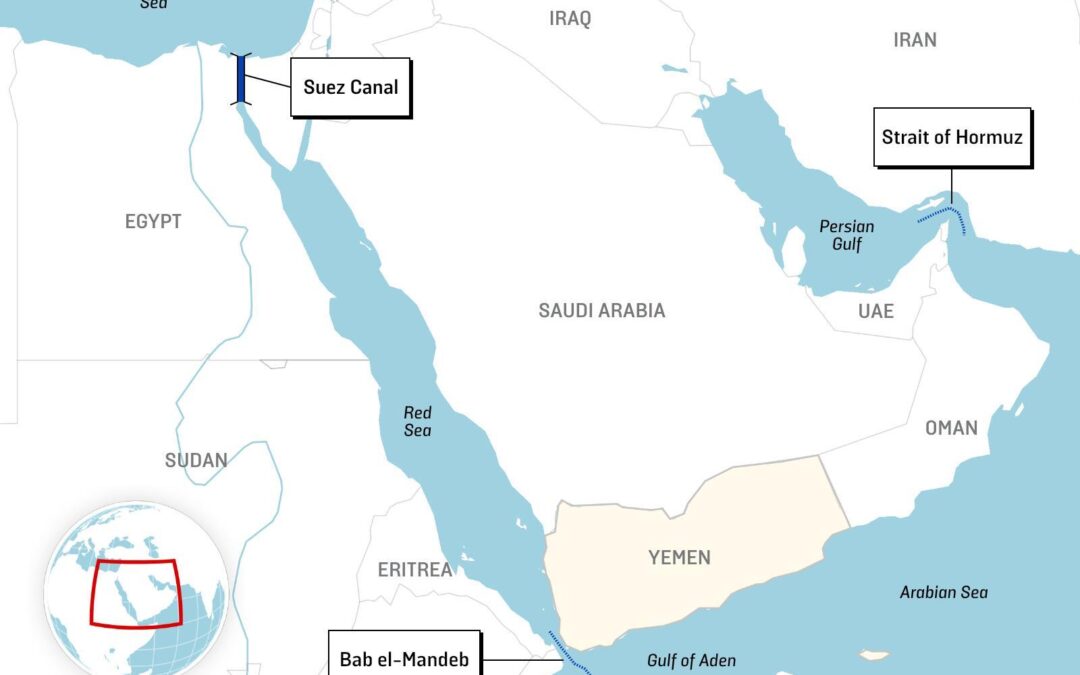
The purpose of this essay is to examine the strategic implications of two potential escalation pathways—attacks on critical power infrastructure and disruption of the Red Sea maritime gateway—and to evaluate their consequences for the United States, the European Union, and the Arab Gulf States through the interdisciplinary perspective of the Techne–Phronesis Negotiation Framework™ (TPNF).