
by Nikos Chatzis | 24 Sep, 2026 | Ecosystem Dynamics, Ecosystem Governance, Ecosystem Strategy, Ecosystem Thinking, Network Ecosystems, New Economy, The Techne–Phronesis Negotiation Framework™
This TPNF essay examines why German automotive executives are calling for deeper cooperation with China in batteries, AI, automated driving and NEVs, and what this reveals about technological competition. The central question is whether cooperation strengthens German industrial capability—or creates new strategic dependencies. The answer may be: both.

by Nikos Chatzis | 14 Sep, 2026 | Ecosystem Dynamics, Ecosystem Governance, Ecosystem Strategy, Ecosystem Thinking, The Techne–Phronesis Negotiation Framework™, Value Creation
The purpose of this TPNF essay is to develop a general TPNF theory of ecosystem strategic value.
It challenges the assumption that accumulating technologies, institutions, knowledge, capital or infrastructure automatically produces strategic advantage. Instead, TPNF argues that ecosystem performance depends upon the relationships connecting capabilities and upon the mechanisms through which those capabilities can be activated, coordinated, adapted and converted into sustainable outcomes.

by Nikos Chatzis | 1 Sep, 2026 | Ecosystem Dynamics, Ecosystem Governance, Ecosystem Strategy, Ecosystem Thinking, The Techne–Phronesis Negotiation Framework™, Value Creation
This essay examines ecosystem collaboration as a fundamental mechanism of long-term value creation.
Through TPNF, it explores why technological convergence makes collaboration increasingly necessary, why collaboration frequently fails, how negotiation and governance enable ecosystem alignment, and how successful collaboration can generate Strategic Future Value™ and ultimately Lasting Strategic Value™.
by Nikos Chatzis | 29 Jul, 2026 | Ecosystem Dynamics, Ecosystem Governance, Ecosystem Strategy, Supply Chains, The Techne–Phronesis Negotiation Framework™
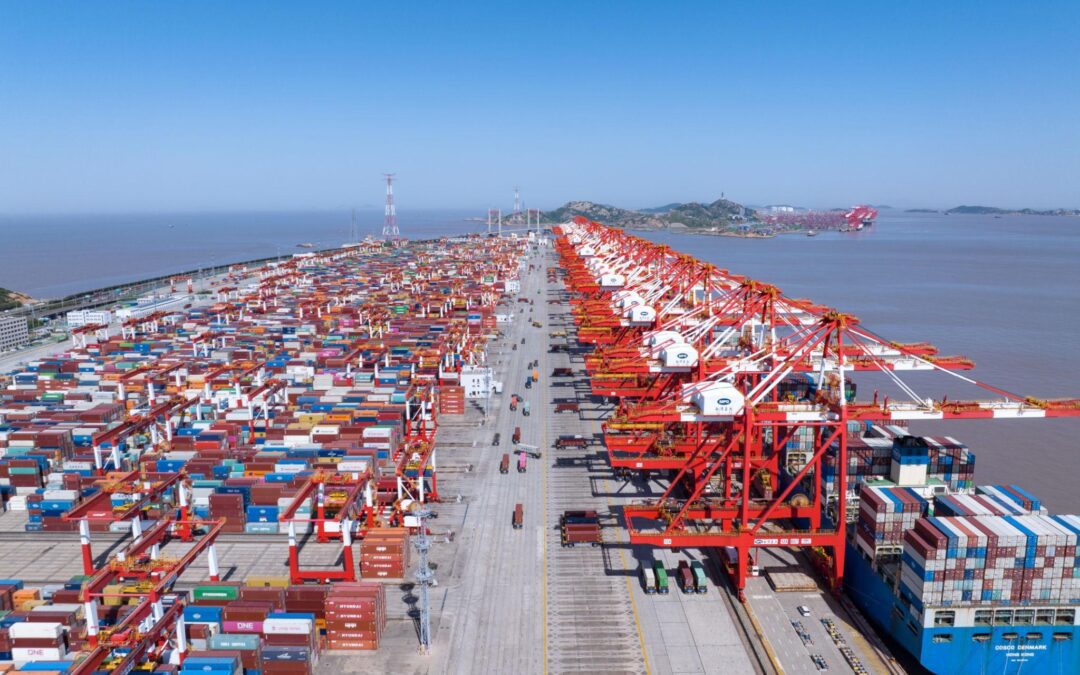
This essay explains how China’s supply chain logistics are evolving into a comprehensive strategic ecosystem that integrates technology, industrial policy, artificial intelligence, digital infrastructure, diplomacy, finance, and strategic negotiation. Using the Techne–Phronesis Negotiation Framework™ (TPNF), it demonstrates why future logistics should be understood as a complex adaptive ecosystem rather than a collection of isolated transportation activities.

by Nikos Chatzis | 22 Jul, 2026 | 3-D Negotiation, Ecosystem Dynamics, Ecosystem Strategy, Ecosystem Thinking, The Techne–Phronesis Negotiation Framework™, Value Creation
This essay demonstrates that negotiation is no longer a discrete event occurring at the end of decision-making. Rather, it is a continuous strategic capability that enables adaptation, innovation, resilience, and cooperation across complex adaptive systems. The Techne–Phronesis Negotiation Framework™ (TPNF) explains negotiation as the strategic process that transforms technological capability and systems understanding into adaptive leadership and long-term value creation.
by Nikos Chatzis | 21 Jul, 2026 | Ecosystem Dynamics, Ecosystem Governance, Ecosystem Strategy, Ecosystem Thinking, The Techne–Phronesis Negotiation Framework™
Technological progress has fundamentally altered the nature of strategic assets. This essay argues that the Techne–Phronesis Negotiation Framework™ (TPNF) provides an analytical foundation for understanding this transformation. It demonstrates that contemporary strategic assets derive their significance from their participation in complex adaptive ecosystems, where relationships, interoperability, technological integration, and strategic coordination become the principal sources of enduring advantage.