by Nikos Chatzis | 22 Sep, 2026 | Strategic Theory, Strategic Thinking, Strategic Wisdom, The Techne–Phronesis Negotiation Framework™
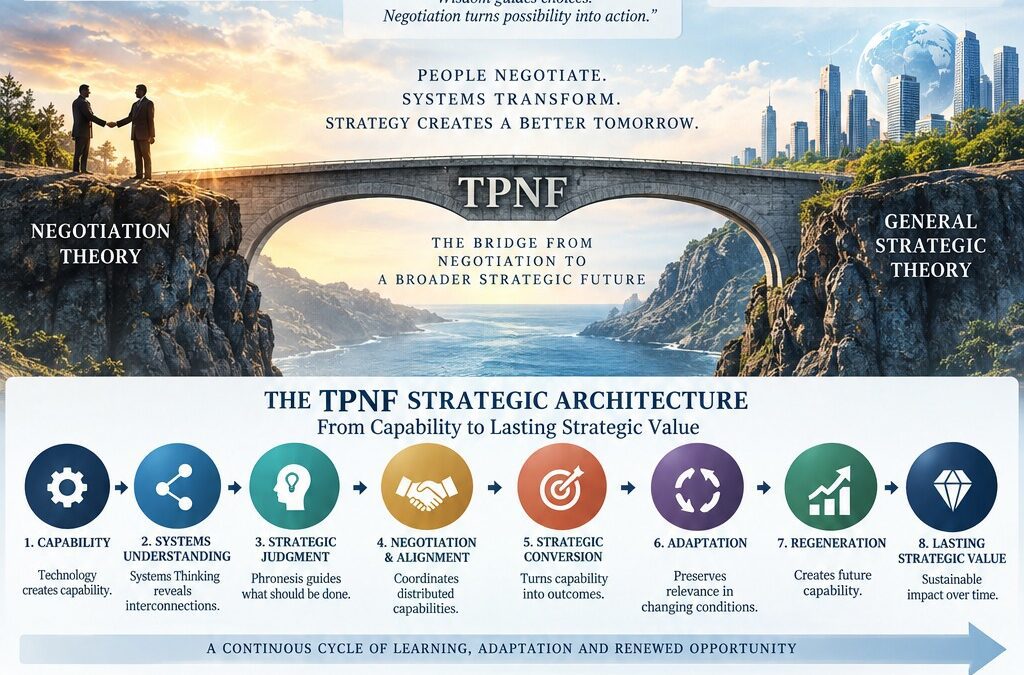
This TPNF essay examines the intellectual path through which TPNF may evolve from negotiation theory toward General Strategic Theory. It argues that multidimensional practical application should not be treated merely as evidence of versatility. It should become a mechanism of systematic theoretical testing.

by Nikos Chatzis | 30 Aug, 2026 | Strategic Theory, Strategic Thinking, Systems Thinking, The Techne–Phronesis Negotiation Framework™
This essay examines the transition of TPNF from conceptual integration toward systematic theoretical testing. Its purpose is not to abandon theoretical development. Strong concepts remain essential.
Rather, the objective is to introduce a second stage: Concept → Proposition → Observation → Comparison → Testing → Refinement → Stronger Theory.

by Nikos Chatzis | 29 Aug, 2026 | Strategic Theory, Strategic Thinking, Strategic Wisdom, The Techne–Phronesis Negotiation Framework™
This essay by using TPNF analytical lenses explores the role of strategic thought in Ancient Greek political and daily life and examines what that intellectual tradition can contribute to strategic decision-making in contemporary technological civilization. Its purpose is not to romanticize Ancient Greece or suggest that ancient political institutions can simply be transferred into modern societies. Instead, it asks whether the Greek tradition of connecting politics, practical judgment, civic responsibility, rhetoric, strategy and human purpose offers useful intellectual foundations for navigating an age increasingly organized through technology.
by Nikos Chatzis | 25 Aug, 2026 | Strategic Financial Ecosystems, Strategic Governance, Strategic Leadership, Strategic Management, Strategic Negotiation, Strategic Resilience, Strategic Theory, Strategic Thinking, Strategic Wisdom, Strategy Evolution - Business Strategy, Technological Civilization, Technology Ecosystems, Technology Evolution, Technology Geopolitics, The Techne–Phronesis Negotiation Framework™
This essay examines how strategic decision-making is changing as artificial intelligence, technological convergence, autonomous systems and complex ecosystems reshape organizations, markets and geopolitics. Its purpose is to explain how TPNF can provide an integrative framework connecting technological capability, systems understanding, human judgment, negotiation and adaptive learning.

by Nikos Chatzis | 10 Aug, 2026 | Artificial Intelligence AI, Strategic Leadership, Strategic Management, Strategic Thinking, The Techne–Phronesis Negotiation Framework™
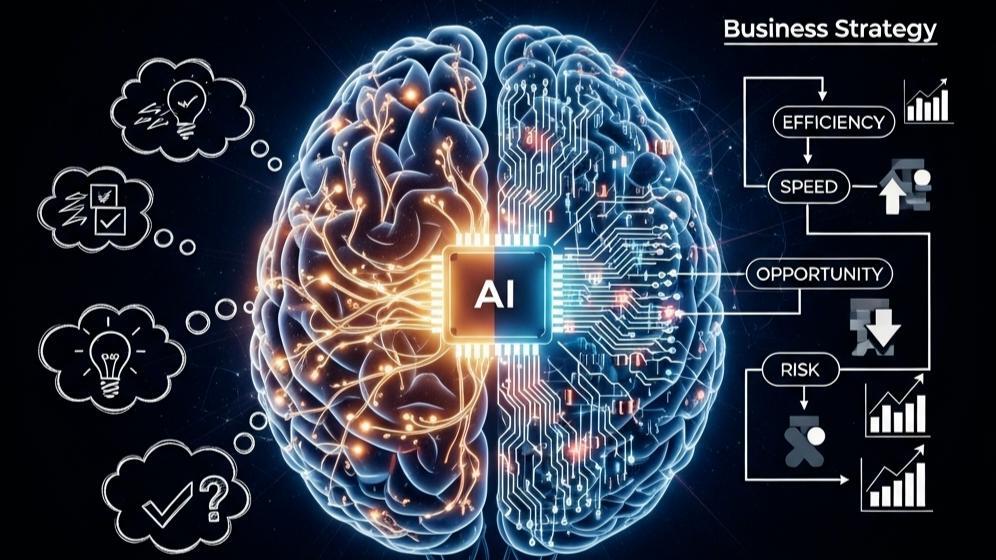
This essay examines how AI is changing the role of business decision strategy in technological civilization. Using TPNF, it argues that AI should not be understood merely as another productivity technology. It increasingly becomes part of the strategic decision architecture of the firm, influencing how organizations perceive markets, allocate resources, manage risk, negotiate, innovate, and create long-term value.

by Nikos Chatzis | 9 Aug, 2026 | Strategic Theory, Strategic Thinking, Strategic Wisdom, Technological Civilization, The Techne–Phronesis Negotiation Framework™
The purpose of this essay is to define what it means to describe TPNF as a General Strategic Theory, identify its principal analytical components, establish its potential explanatory domain, and clarify the conditions under which such a theoretical claim should be evaluated.