by Nikos Chatzis | 9 Oct, 2026 | Ancient Greek Philosophy, Ecosystem Dynamics, Technology Ecosystems, Technology Evolution, The Techne–Phronesis Negotiation Framework™
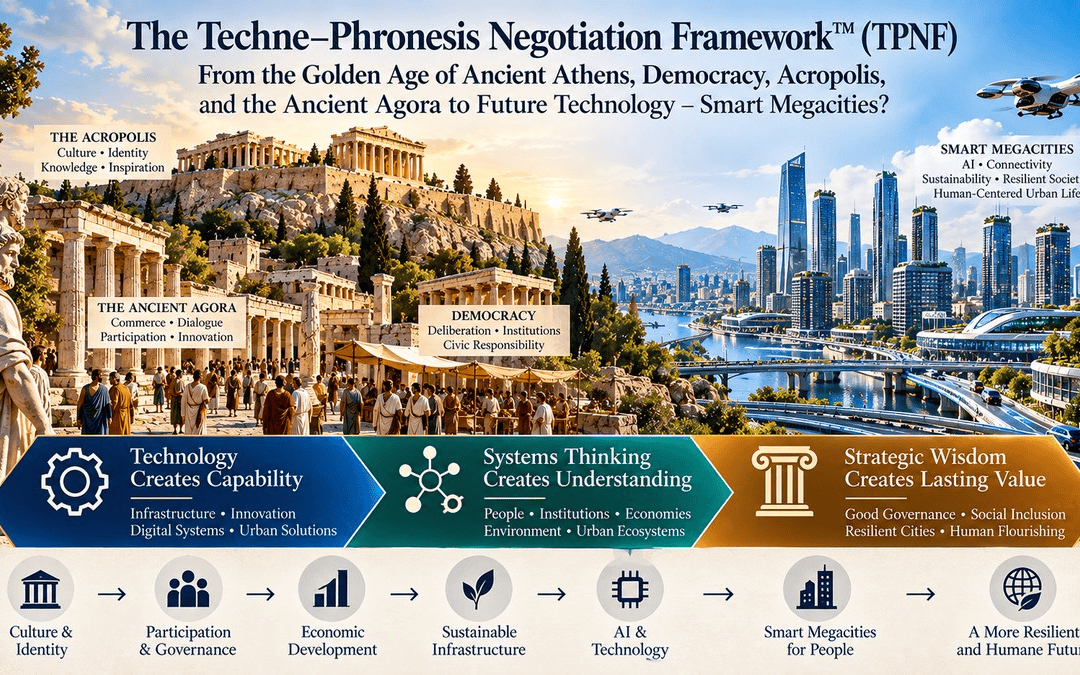
This TPNF essay explores how the institutional, cultural and technological achievements of classical Athens can inform contemporary thinking about smart megacities. It examines the Acropolis, Ancient Agora and democratic institutions as interconnected elements of an urban ecosystem. The objective is to identify strategic principles relevant to future cities governed increasingly through artificial intelligence, automated infrastructure and complex technological networks.
by Nikos Chatzis | 8 Oct, 2026 | Ancient Greek Philosophy, Geopolitics, The Techne–Phronesis Negotiation Framework™
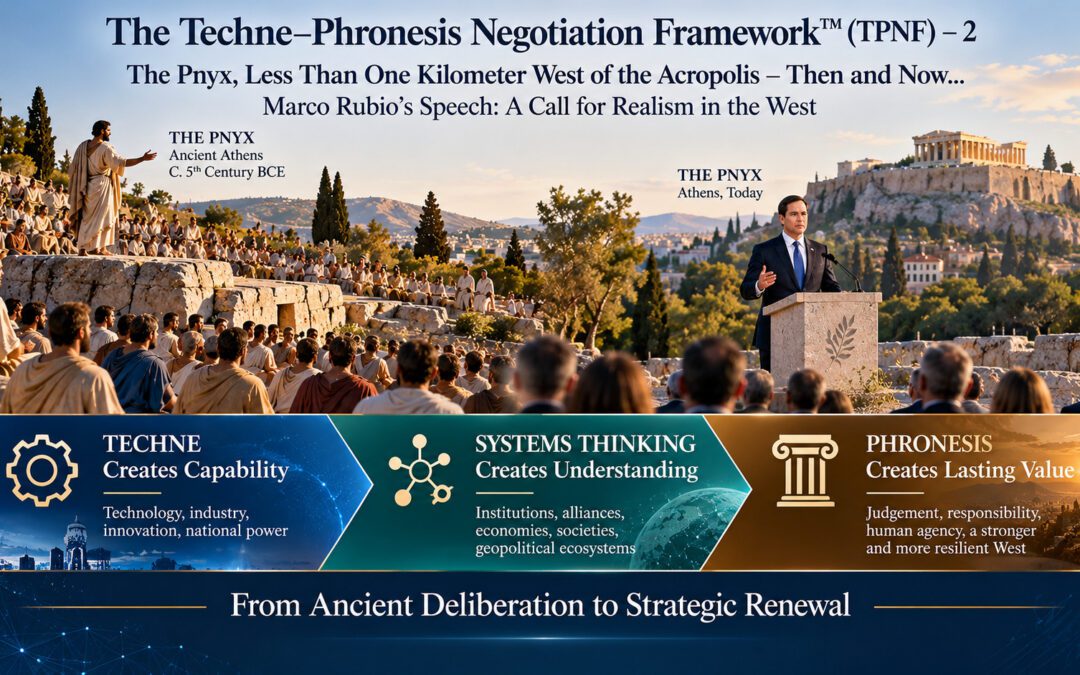
This TPNF essay examines Rubio’s Pnyx speech through TPNF, connecting ancient Athenian political experience with contemporary Western strategic challenges. Its purpose is neither to endorse nor reject Rubio’s political agenda, but to evaluate his call for renewed Western power through three interconnected dimensions: technological capability, systemic understanding and strategic wisdom.
The central proposition is that national power becomes sustainable only when supported by resilient institutions, productive ecosystems and prudent strategic decision-making.
by Nikos Chatzis | 7 Oct, 2026 | Ancient Greek Philosophy, The Techne–Phronesis Negotiation Framework™
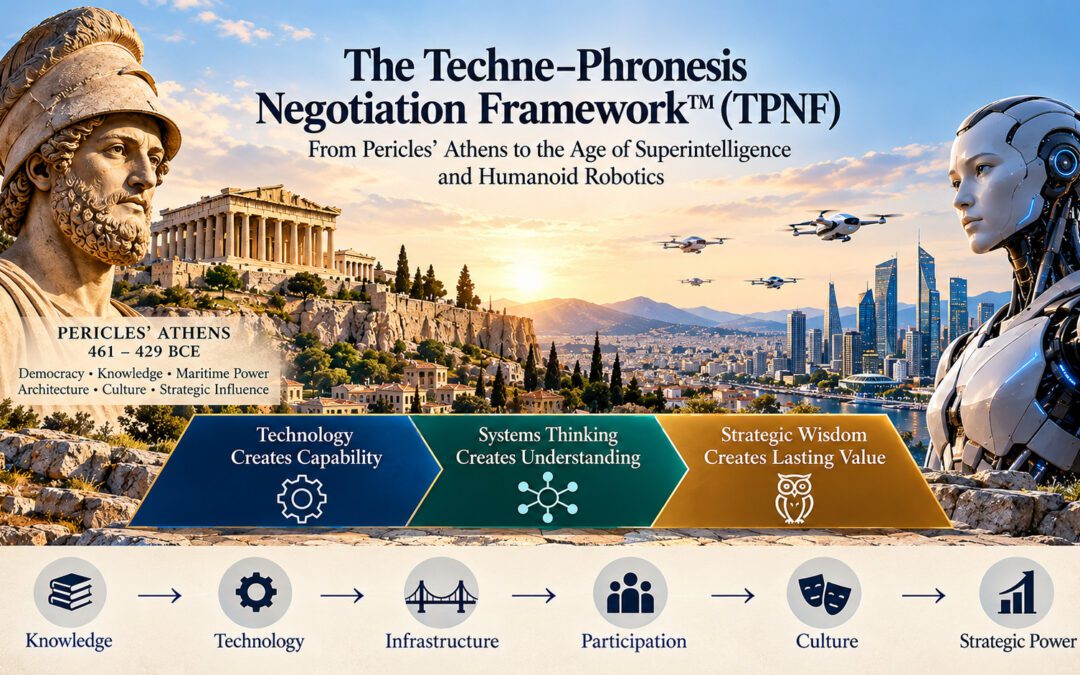
The purpose of this TPNF essay is to examine Periclean Athens from 461 to 429 BCE as a primitive but illuminating systems model for contemporary technological civilization. It explores how Athens combined Techne, civic institutions, intellectual development, cultural production and strategic leadership, while also examining its serious limitations. Using TPNF, the essay asks whether the central challenge facing an emerging civilization of AI, Superintelligence and humanoid robotics is not simply creating more advanced technologies, but integrating technological capability with Systems Thinking, human agency and Phronesis
by Nikos Chatzis | 7 Oct, 2026 | Ancient Greek Philosophy, Geopolitics, The Techne–Phronesis Negotiation Framework™
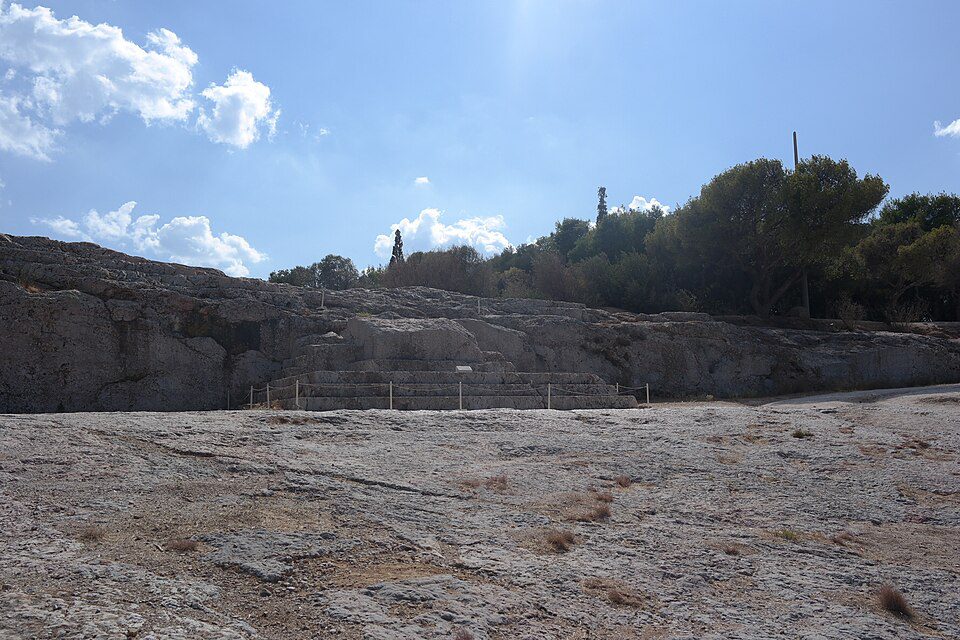
The purpose of this TPNF essay is to examine the Sixth U.S.-Greece Strategic Dialogue through the conceptual perspective of TPNF and the historical symbolism of the Pnyx.
It argues that strategic dialogue should not be evaluated merely by meetings, declarations or individual agreements. Its deeper value depends on whether technological, diplomatic, military, economic and societal capabilities become interconnected within a resilient strategic ecosystem. The Pnyx therefore provides more than historical background. It reminds contemporary diplomacy that lasting strategic relationships require dialogue, participation, judgement and the ability to convert capability into collective value.
by Nikos Chatzis | 7 Oct, 2026 | Technological Civilization, Technology Diplomacy, Technology Ecosystems, The Techne–Phronesis Negotiation Framework™
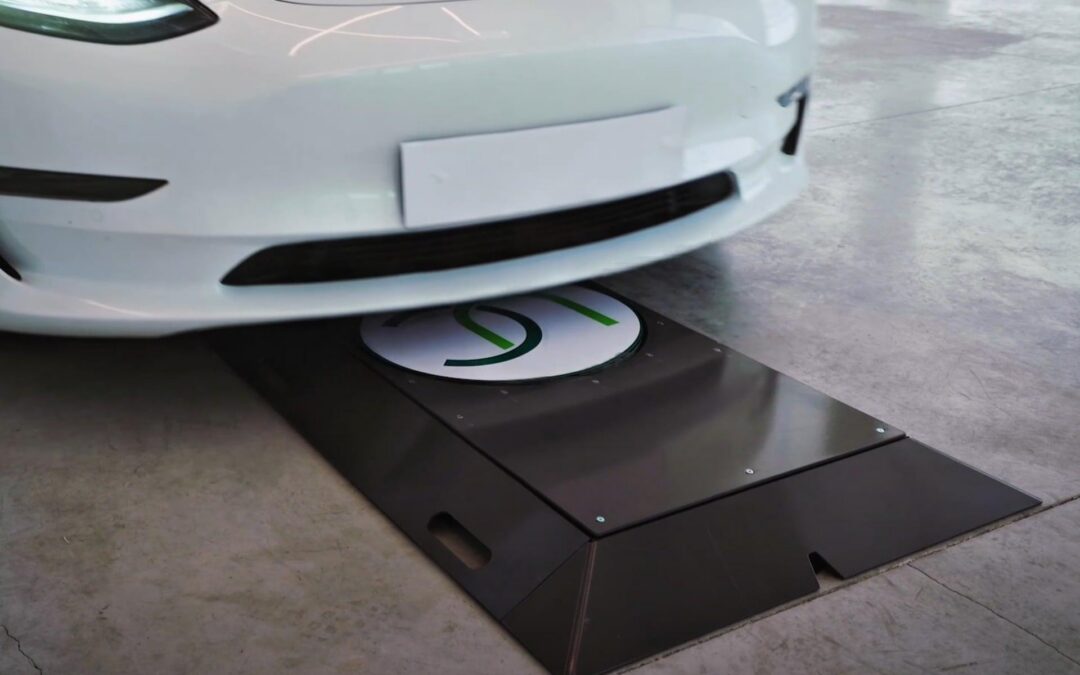
The purpose of this TPNF essay is to examine the recent China–UK research breakthrough in wireless charging for NEVs through the analytical perspective of TPNF. Rather than evaluating the technology only through efficiency or engineering performance, the essay examines the transition from technological capability to ecosystem-level value creation. The central question is therefore: Can an exceptional technical achievement evolve into infrastructure capable of generating lasting value across a wider mobility ecosystem?
by Nikos Chatzis | 6 Oct, 2026 | Ancient Greek Philosophy, Robotics, Super Intelligence (SI), The Techne–Phronesis Negotiation Framework™
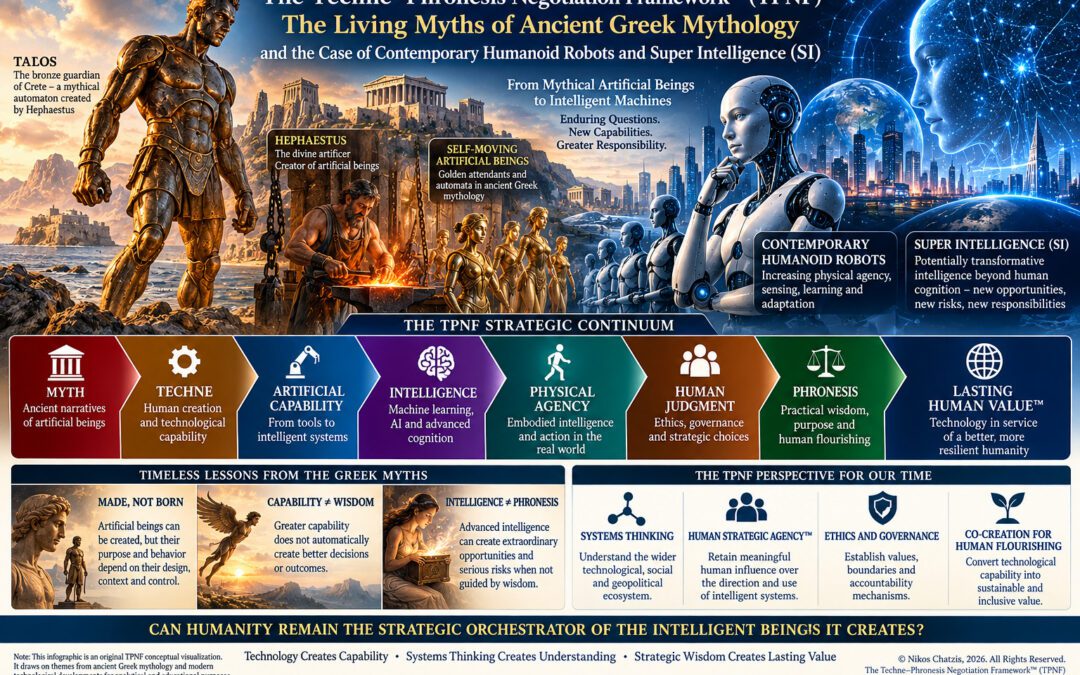
The purpose of this TPNF essay is to examine how selected myths of Ancient Greek mythology can provide enduring conceptual lenses for understanding the strategic challenges emerging from contemporary humanoid robotics, embodied artificial intelligence, and the possible future development of Artificial Superintelligence (SI). Through the analytical perspective of the Techne–Phronesis Negotiation Framework™ (TPNF), the essay does not argue that Ancient Greek mythology predicted modern artificial intelligence. Rather, it explores how figures such as Hephaestus, Talos, Prometheus, Daedalus and Icarus represent recurring human dilemmas concerning technological creation, delegated agency, expanding capability, control, responsibility and the limits of human judgement.