by Nikos Chatzis | 15 Sep, 2026 | Space, The Techne–Phronesis Negotiation Framework™
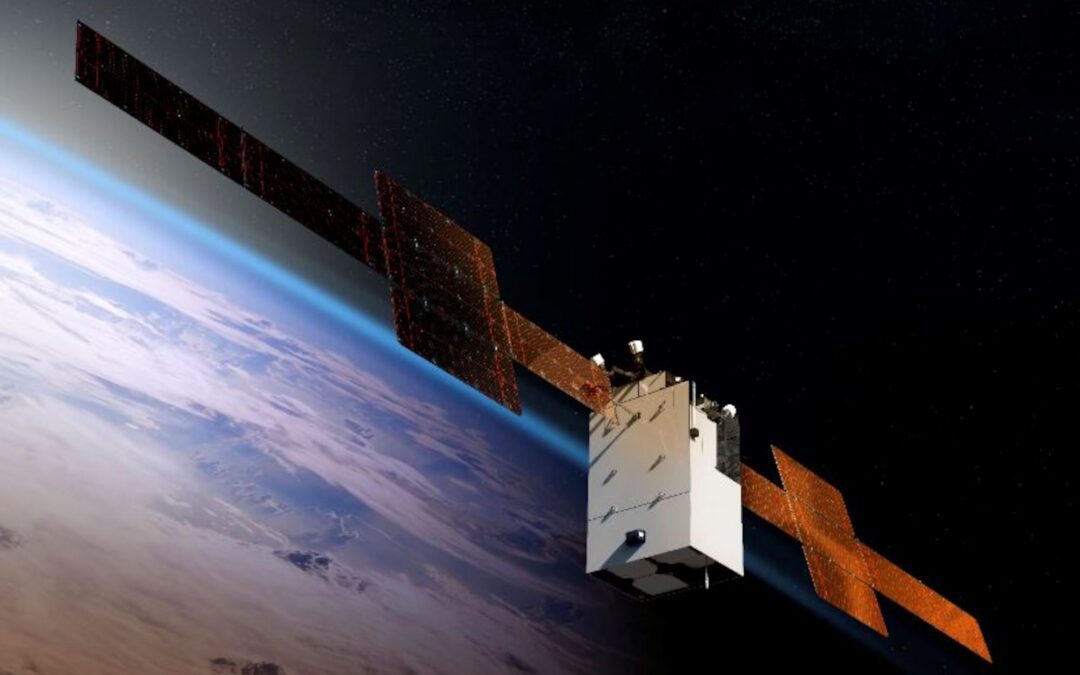
This TPNF essay examines the technological reality behind emerging space weapons and their geopolitical implications. TPNF argues that orbital military power should not be understood through individual weapons alone. Strategic advantage will increasingly emerge from interconnected ecosystems combining satellites, sensors, artificial intelligence, communications, cyber capabilities, launch infrastructure, autonomous spacecraft and human decision-making.

by Nikos Chatzis | 14 Sep, 2026 | Ecosystem Dynamics, Ecosystem Governance, Ecosystem Strategy, Ecosystem Thinking, The Techne–Phronesis Negotiation Framework™, Value Creation
The purpose of this TPNF essay is to develop a general TPNF theory of ecosystem strategic value.
It challenges the assumption that accumulating technologies, institutions, knowledge, capital or infrastructure automatically produces strategic advantage. Instead, TPNF argues that ecosystem performance depends upon the relationships connecting capabilities and upon the mechanisms through which those capabilities can be activated, coordinated, adapted and converted into sustainable outcomes.
by Nikos Chatzis | 13 Sep, 2026 | geoeconomics, Geoeconomy, Geopolitics, Oil Economy, The Techne–Phronesis Negotiation Framework™, War
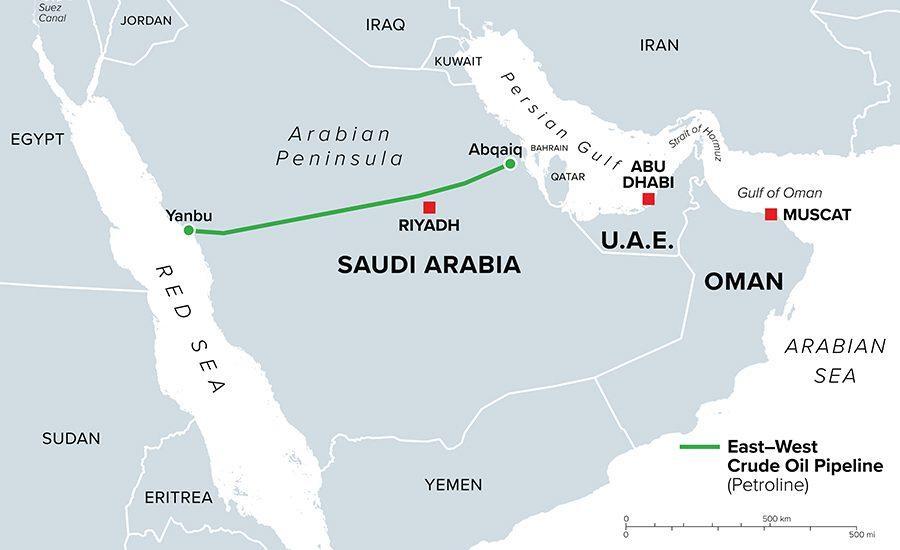
This TPNF essay examines how the Houthi advance in Yemen, attacks against Saudi energy infrastructure, disruption around Hormuz and increasing inflationary pressures are becoming interconnected components of the same strategic system. Through the Techne–Phronesis Negotiation Framework™ (TPNF), it asks whether military escalation can become strategically self-constraining when its economic consequences progressively reduce the freedom of action of the power pursuing it.
by Nikos Chatzis | 13 Sep, 2026 | Technology Ecosystems, The Techne–Phronesis Negotiation Framework™, War Drones
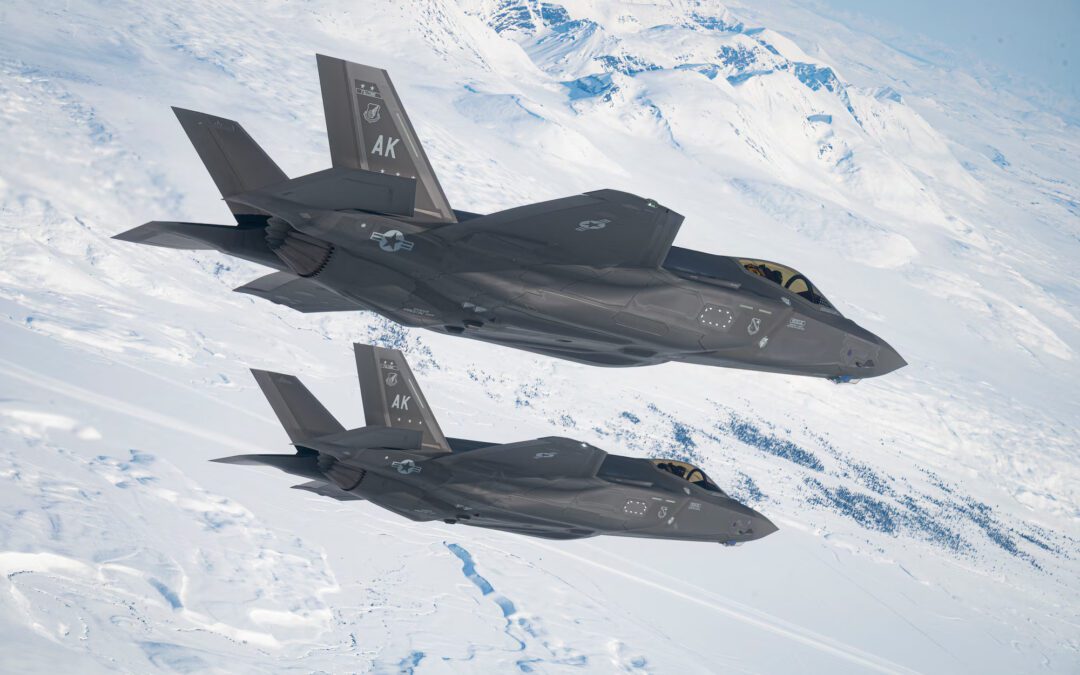
This TPNF essay uses Lockheed Martin’s latest teaser—and the technological trajectory represented by Vectis—to examine the transformation of future air warfare. The objective is not to speculate about classified capabilities. Rather, through the Techne–Phronesis Negotiation Framework™ (TPNF), it examines how autonomy, artificial intelligence, stealth, open architectures and human-machine collaboration may change the fundamental unit of air power from the individual aircraft to the technological ecosystem.
by Nikos Chatzis | 12 Sep, 2026 | The Techne–Phronesis Negotiation Framework™, UAS Investment, UAV, UAVs, UCAV, War Drones
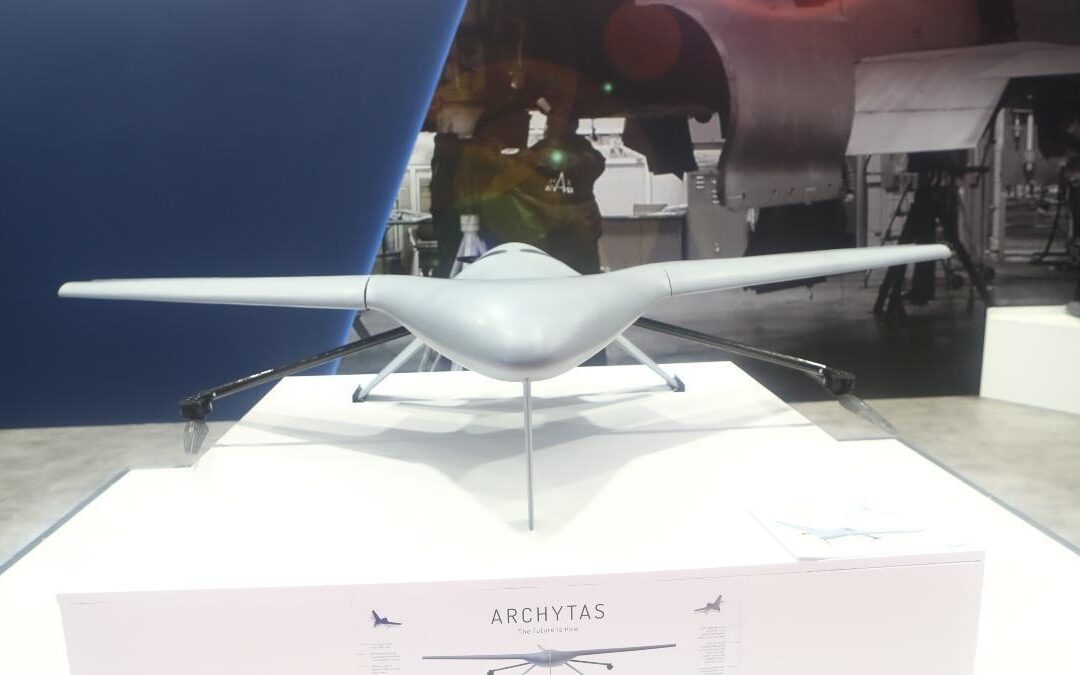
This TPNF essay examines how Greece can convert indigenous unmanned technology from individual platforms into sustainable national strategic capability. Using ARCHYTAS as the starting point, it argues that the greatest long-term value would emerge by connecting domestic UAVs, unmanned maritime systems, counter-UAS technologies, artificial intelligence, sensors, communications, command-and-control, universities, defence companies and operational users within a common learning ecosystem.

by Nikos Chatzis | 11 Sep, 2026 | Geopolitics, The Techne–Phronesis Negotiation Framework™, War
This TPNF essay examines the economic consequences of the Houthi advance along Yemen’s Red Sea coast and the associated increase in risks surrounding Saudi oil exports. It connects developments around Bab el-Mandeb with rising oil prices, increasing government bond yields, inflation expectations and monetary-policy pressures. Its central argument is that contemporary geopolitical shocks increasingly propagate through interconnected ecosystems.