by Nikos Chatzis | 8 Sep, 2026 | Economy, The Techne–Phronesis Negotiation Framework™, Value Creation
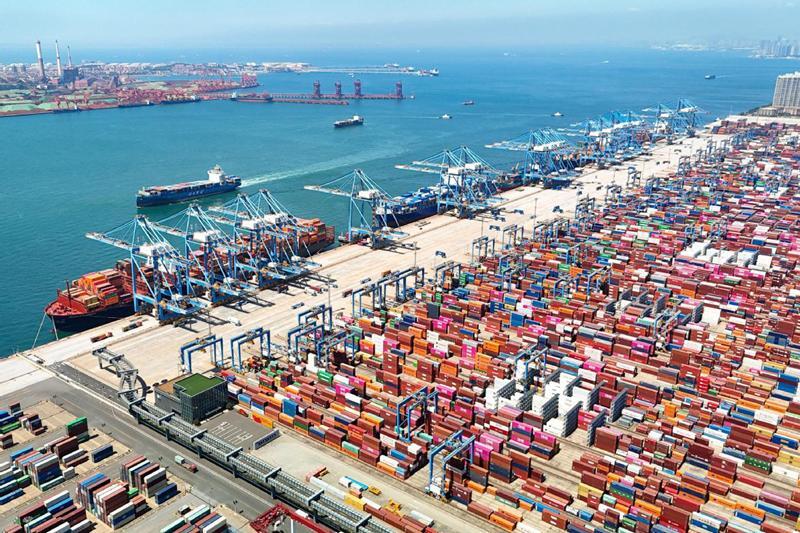
This TPNF essay explains how global supply-chain cooperation can contribute to China’s economic stability through long-term value creation. It examines trade, foreign investment, intermediate goods, logistics, industrial learning, market diversification and international production networks as interconnected components of economic resilience.The deeper TPNF question is: How can participation in global supply chains be converted from economic connectivity into lasting strategic capability?
by Nikos Chatzis | 8 Sep, 2026 | Artificial Intelligence AI, Big Data, Cloud Computing, The Techne–Phronesis Negotiation Framework™
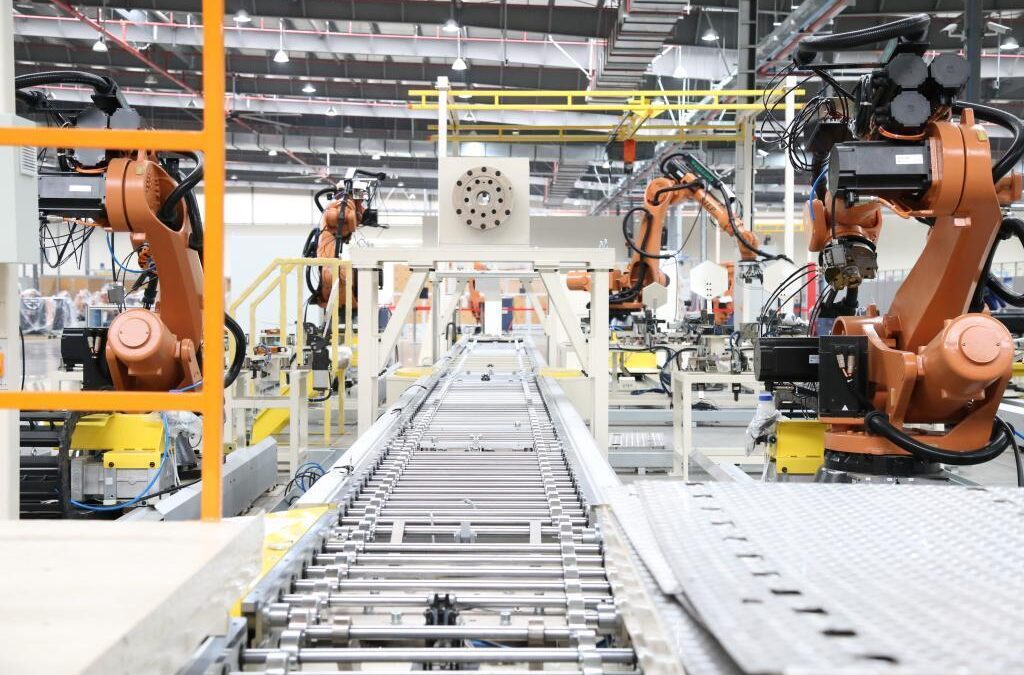
This TPNF essay examines how blockchain, Big Data, cloud computing and AI contribute to China’s industrial production and why their convergence matters strategically. Its purpose is not to portray technology as automatically creating industrial superiority. Rather, it asks a more important TPNF question: How can multiple digital technologies be converted into productive capability, adaptive industrial ecosystems and long-term strategic value?

by Nikos Chatzis | 8 Sep, 2026 | NASA, The Techne–Phronesis Negotiation Framework™
This TPNF essay examines NASA’s X-59 milestone not simply as an aviation achievement but as a paradigm of long-term technological value creation. The central question is: How can an experimental aircraft that will never become a commercial airliner nevertheless create substantial long-term economic, technological and societal value? The answer lies in understanding experimentation itself as strategic infrastructure.
by Nikos Chatzis | 7 Sep, 2026 | Geopolitics, The Techne–Phronesis Negotiation Framework™, US Politics
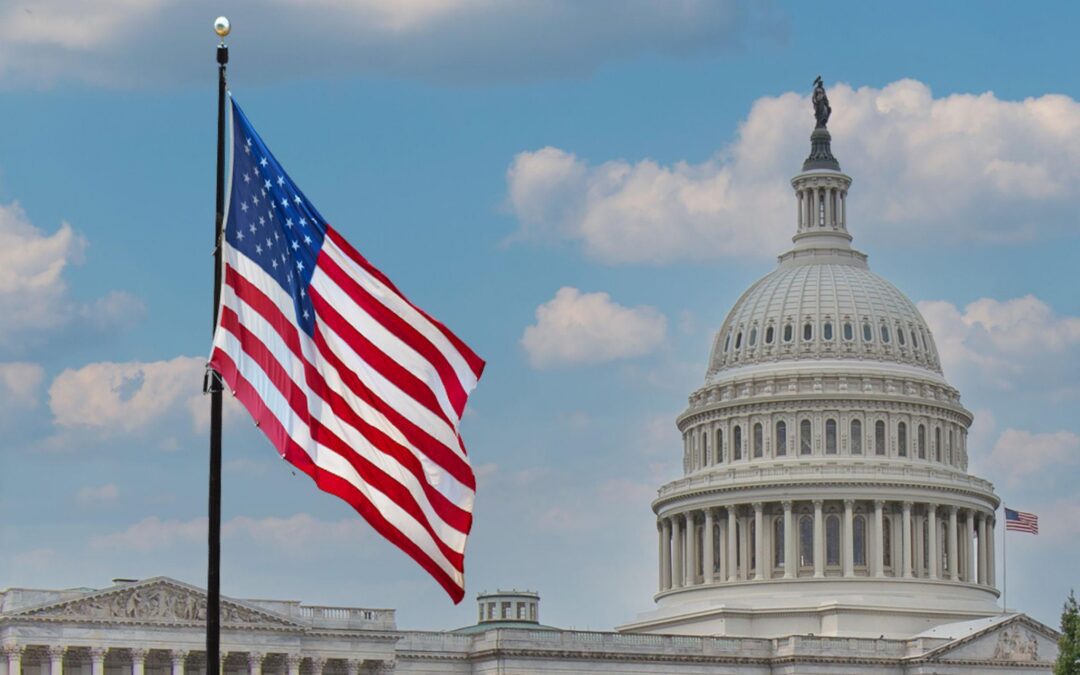
This TPNF essay examines whether the 2026 midterms should primarily be interpreted as a referendum on Donald Trump or as a broader contest over congressional representation and governance. It also examines what a Democratic House victory could mean strategically for the remaining two years of Trump’s presidency. The purpose is not to predict the election result. It is to understand how presidential power, voter dissatisfaction, congressional competition and institutional checks interact within the American political ecosystem.

by Nikos Chatzis | 7 Sep, 2026 | Artificial Intelligence AI, Technological Civilization, Technology Ecosystems, The Techne–Phronesis Negotiation Framework™
This TPNF essay examines the boundary between myth and reality surrounding claims that AI and digital technologies will fundamentally transform human existence. It rejects two extremes.
The first is technological fatalism: the assumption that AI will inevitably determine humanity’s future.
The second is technological trivialization: the belief that AI is merely another neutral tool whose effects depend entirely upon individual users.

by Nikos Chatzis | 7 Sep, 2026 | Technology Ecosystems, The Techne–Phronesis Negotiation Framework™, War, War Drones
This TPNF essay examines the development of a stealth UCAV designed to operate alongside the future Rafale F5 and asks what this tells us about the continuing strategic relevance of advanced 4.5-generation fighters. The purpose is not to argue that 4.5-generation aircraft become equivalent to purpose-designed stealth fighters. They do not.