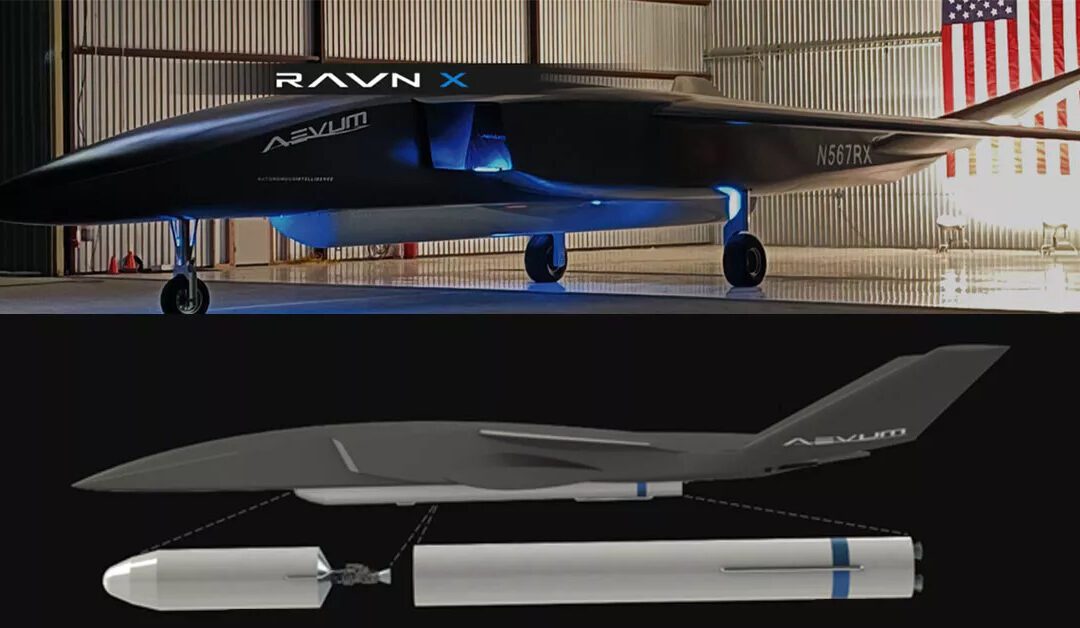
by Nikos Chatzis | 6 Sep, 2026 | Space, The Techne–Phronesis Negotiation Framework™
This TPNF essay examines RAVN X as a technological concept within the wider evolution of modern space warfare. The central question is not whether this particular aircraft will ultimately become operational. It is: What strategic value would an autonomous, mobile and rapidly responsive space-launch architecture create in a contested space environment?
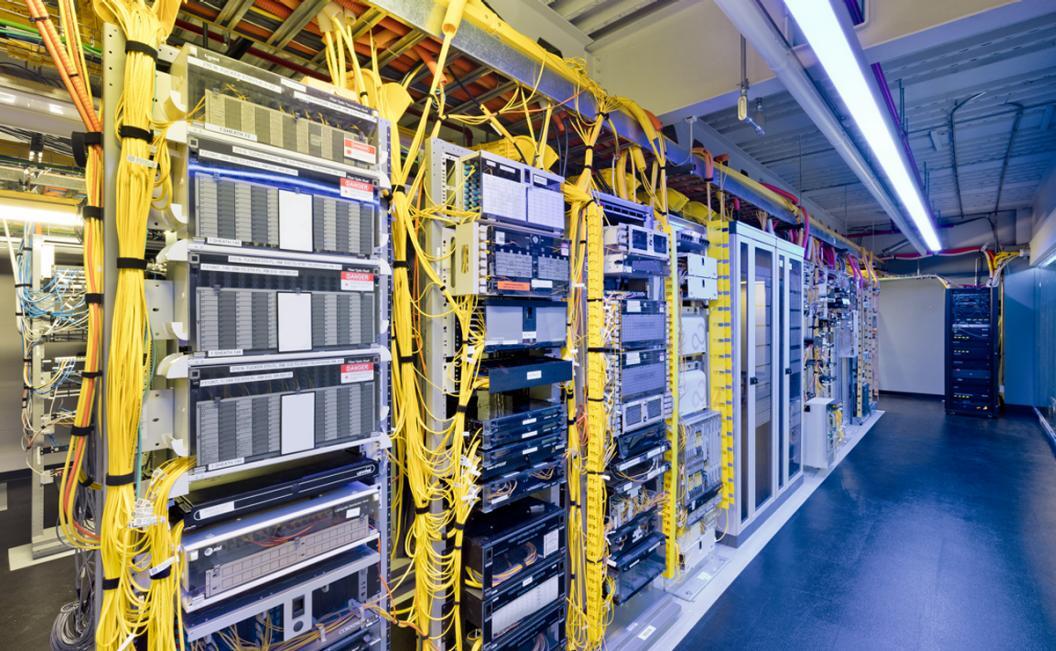
by Nikos Chatzis | 6 Sep, 2026 | Technology Diplomacy, Technology Ecosystems, Technology Evolution, Technology Geopolitics, Technology Transfer, The Techne–Phronesis Negotiation Framework™, Value Creation
This essay examines technological determinism through the emerging ecosystem structure of contemporary technological civilization. Its central question is: If technology creates increasingly powerful possibilities, what determines whether those possibilities produce lasting human, economic and strategic value? TPNF argues that the answer lies increasingly in the interaction among technology, human agency, institutions, systems and ecosystems.
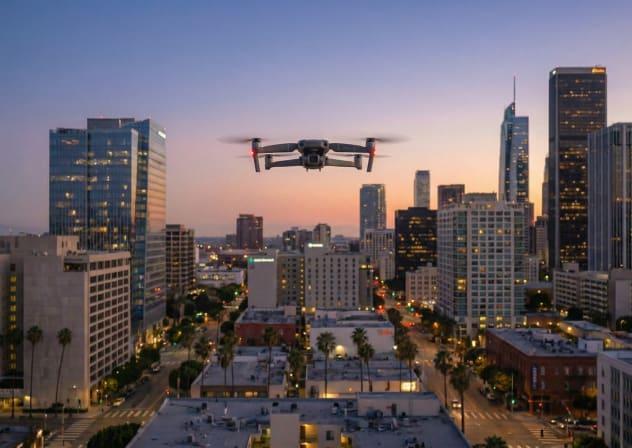
by Nikos Chatzis | 5 Sep, 2026 | Drones' Technology Management, Economy, Low Altitude Economy (LAE), The Techne–Phronesis Negotiation Framework™
This essay through TPNF examines the Low-Altitude Economy as an emerging dimension of technological civilization and asks a central strategic question: How can societies convert access to low-altitude airspace into sustainable economic, technological and societal value? The answer depends not simply upon producing more drones.
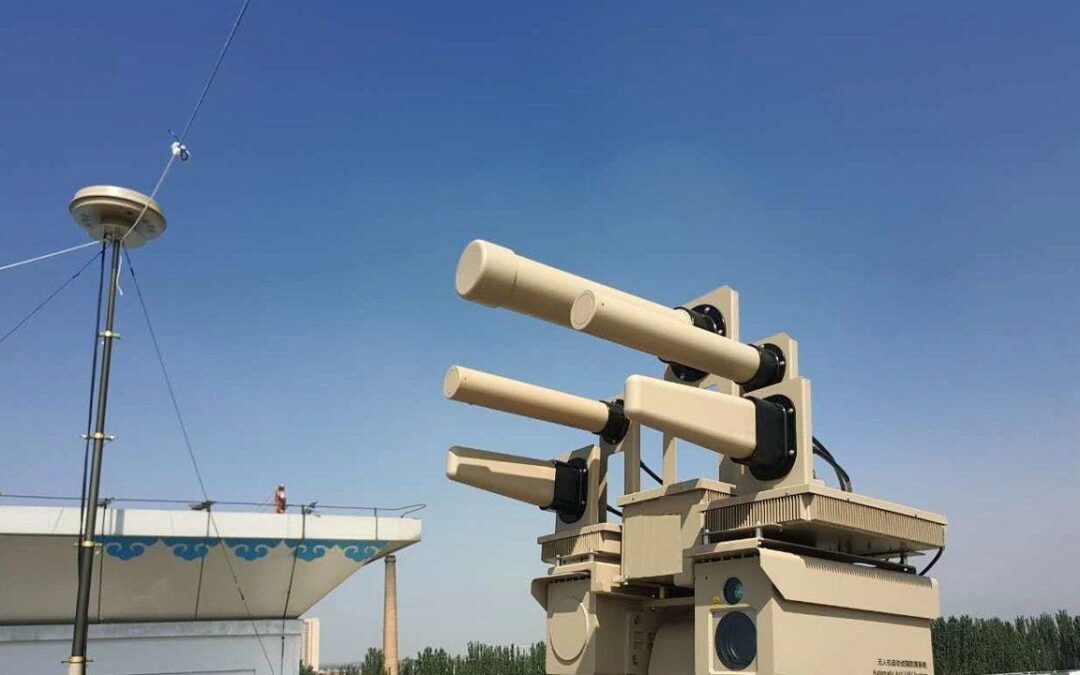
by Nikos Chatzis | 4 Sep, 2026 | anti-Drone Warfare, Artificial Intelligence AI, drone ecosystems, Drone warfare, The Techne–Phronesis Negotiation Framework™, War
This essay examines through TPNF how AI-enabled autonomy is transforming drone warfare and consequently changing the technological requirements of drone detection and counter-UAS systems. Using Greece’s Centaurus, Telemachus and Hyperion programs, it argues that future counter-drone superiority will depend not upon one permanent technological solution, but upon the ability to continuously adapt the detection and response architecture faster than the threat evolves.
by Nikos Chatzis | 3 Sep, 2026 | Aviation Technology, The Techne–Phronesis Negotiation Framework™
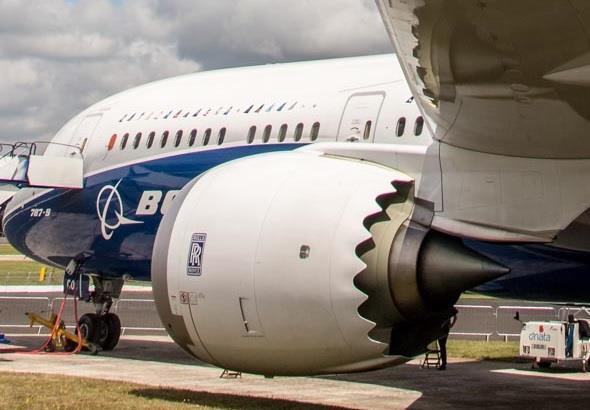
This essay examines RRPF’s decision through TPNF as a case of long-term value creation through localization, ecosystem participation and aviation lifecycle services.
by Nikos Chatzis | 3 Sep, 2026 | Biotechnology, Space, The Techne–Phronesis Negotiation Framework™
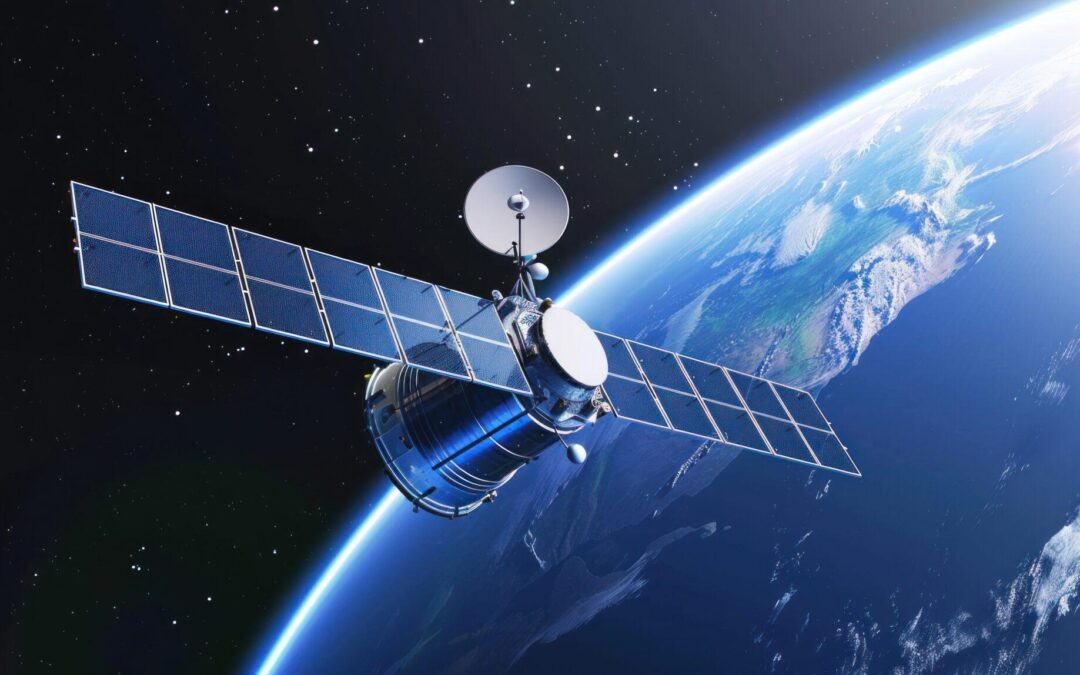
This essay examines by applying TPNF the strategic roles of energy, quantum technologies, space infrastructure and biotechnology within contemporary technological civilization. Rather than treating them as separate industries, it analyzes their growing interdependence through Systems Thinking and technology convergence.