by Nikos Chatzis | 18 Sep, 2026 | Geopolitics, The Techne–Phronesis Negotiation Framework™, War
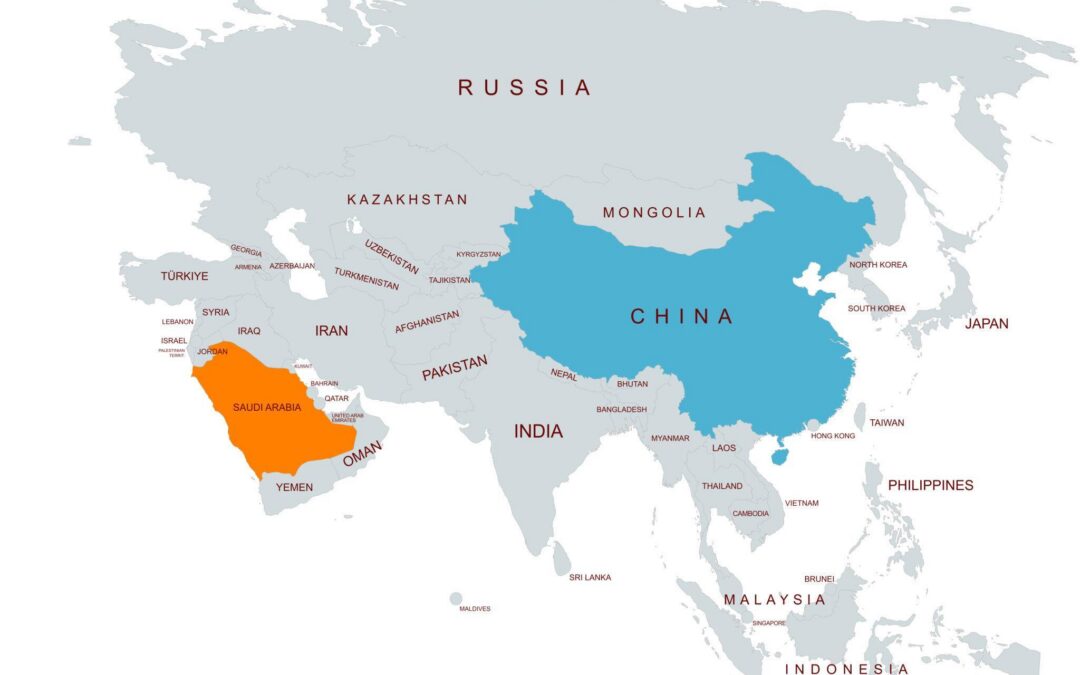
This TPNF essay examines China’s intervention with Iran over the Houthis and the continuing tensions within NATO as two contrasting cases of geopolitical ecosystem management.
The central question is: Can the ability to preserve relationships with competing actors itself become a source of strategic power?
by Nikos Chatzis | 17 Sep, 2026 | Economy, Ecosystem Governance, geoeconomics, Geoeconomy, Geopolitics, Global Trade, The Techne–Phronesis Negotiation Framework™
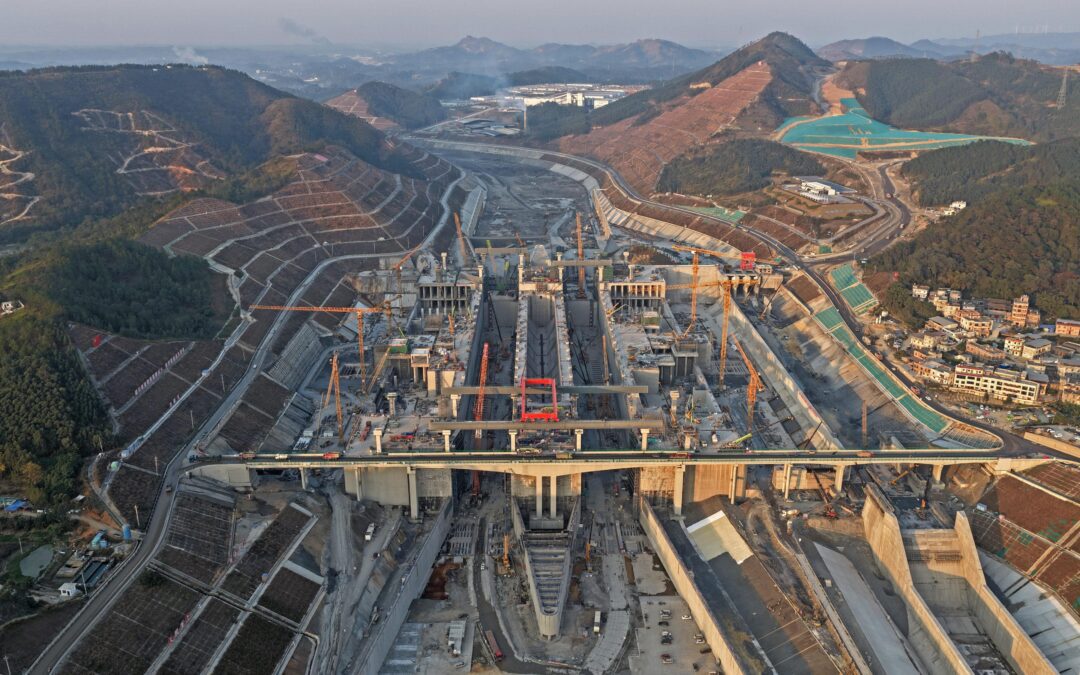
This TPNF essay examines the Pinglu Canal through the TPNF perspective of ecosystem development and strategic value creation. The central question is not simply how many ships will use the canal. It is: How can a new physical connection reorganize economic geography and generate capabilities that did not previously exist?
by Nikos Chatzis | 15 Sep, 2026 | Geopolitics, The Techne–Phronesis Negotiation Framework™, Value Creation, War
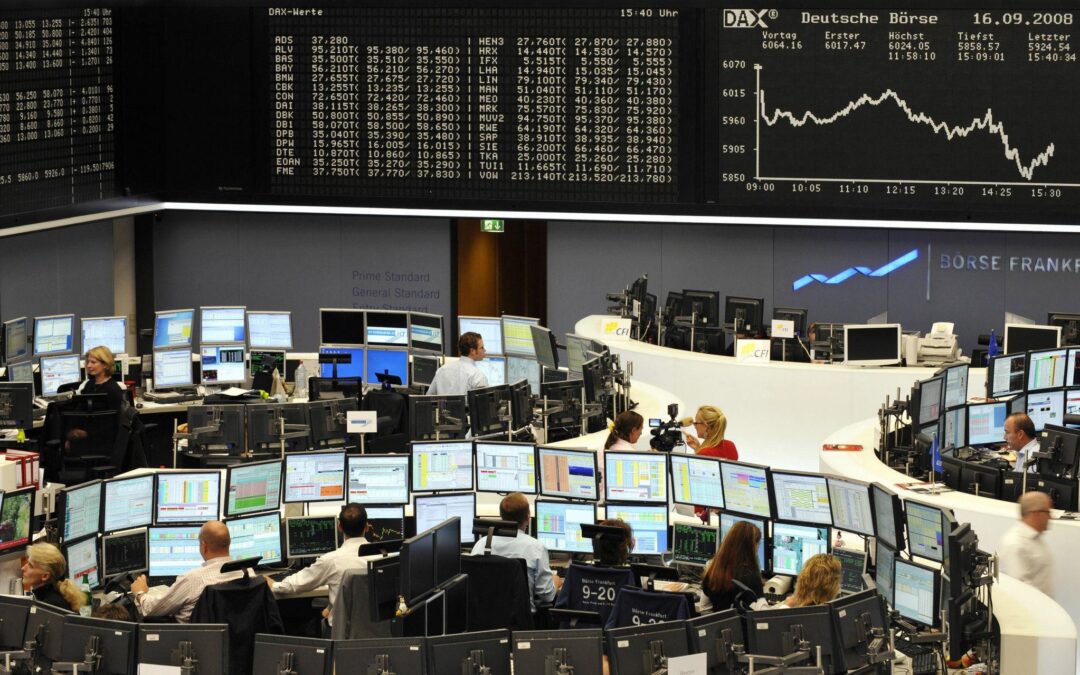
This TPNF essay examines how financial ecosystems can respond strategically to geopolitical disruption. Using the Houthi crisis and wider Middle East conflict as a contemporary case, it argues that financial resilience depends not merely on preventing instability but on connecting monetary policy, banking, capital markets, governments, technology and institutional coordination into an adaptive ecosystem.
by Nikos Chatzis | 13 Sep, 2026 | geoeconomics, Geoeconomy, Geopolitics, Oil Economy, The Techne–Phronesis Negotiation Framework™, War
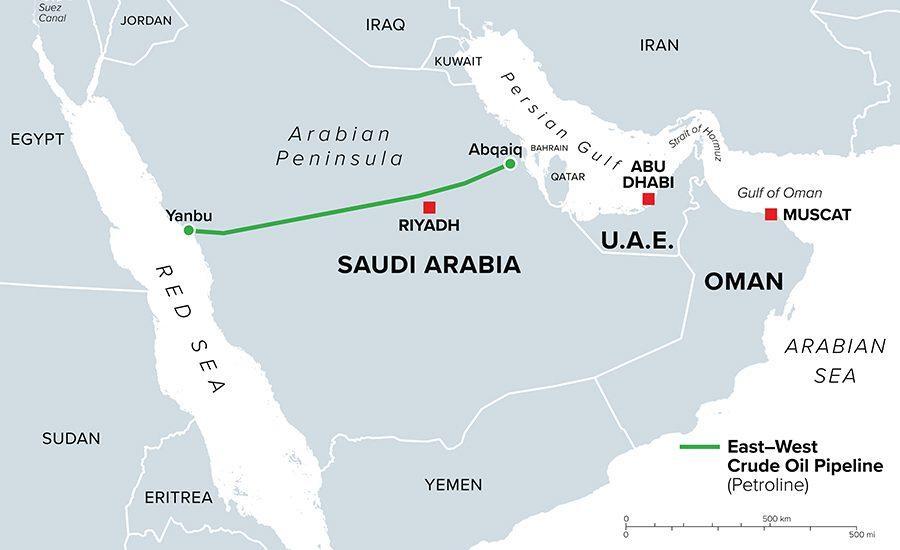
This TPNF essay examines how the Houthi advance in Yemen, attacks against Saudi energy infrastructure, disruption around Hormuz and increasing inflationary pressures are becoming interconnected components of the same strategic system. Through the Techne–Phronesis Negotiation Framework™ (TPNF), it asks whether military escalation can become strategically self-constraining when its economic consequences progressively reduce the freedom of action of the power pursuing it.

by Nikos Chatzis | 11 Sep, 2026 | Geopolitics, The Techne–Phronesis Negotiation Framework™, War
This TPNF essay examines the economic consequences of the Houthi advance along Yemen’s Red Sea coast and the associated increase in risks surrounding Saudi oil exports. It connects developments around Bab el-Mandeb with rising oil prices, increasing government bond yields, inflation expectations and monetary-policy pressures. Its central argument is that contemporary geopolitical shocks increasingly propagate through interconnected ecosystems.

by Nikos Chatzis | 10 Sep, 2026 | Geopolitics, Operational Capability, The Techne–Phronesis Negotiation Framework™, War
This TPNF essay examines the current disposition of U.S. aircraft carriers and distinguishes between numerical fleet strength, active deployment and effective operational capability. It argues that evaluating naval power requires understanding not only where carriers are located but also readiness, air-wing capability, logistics, crew endurance, maintenance, ammunition, escort availability and the capacity to rotate forces without creating strategic gaps elsewhere.