
by Nikos Chatzis | 6 Aug, 2026 | Geopolitics, History, Nuclear bomb, The Techne–Phronesis Negotiation Framework™
This essay examines the enduring strategic significance of the Hiroshima bombing through the analytical perspective of the Techne–Phronesis Negotiation Framework™ (TPNF). It argues that Hiroshima remains highly relevant because contemporary nuclear deterrence, emerging technologies, artificial intelligence, and geopolitical competition continue to confront leaders with many of the same fundamental questions regarding capability, responsibility, and long-term strategic stability.
by Nikos Chatzis | 5 Aug, 2026 | Ancient Greek Philosophy, Ancient Greek Philosopphy, The Techne–Phronesis Negotiation Framework™
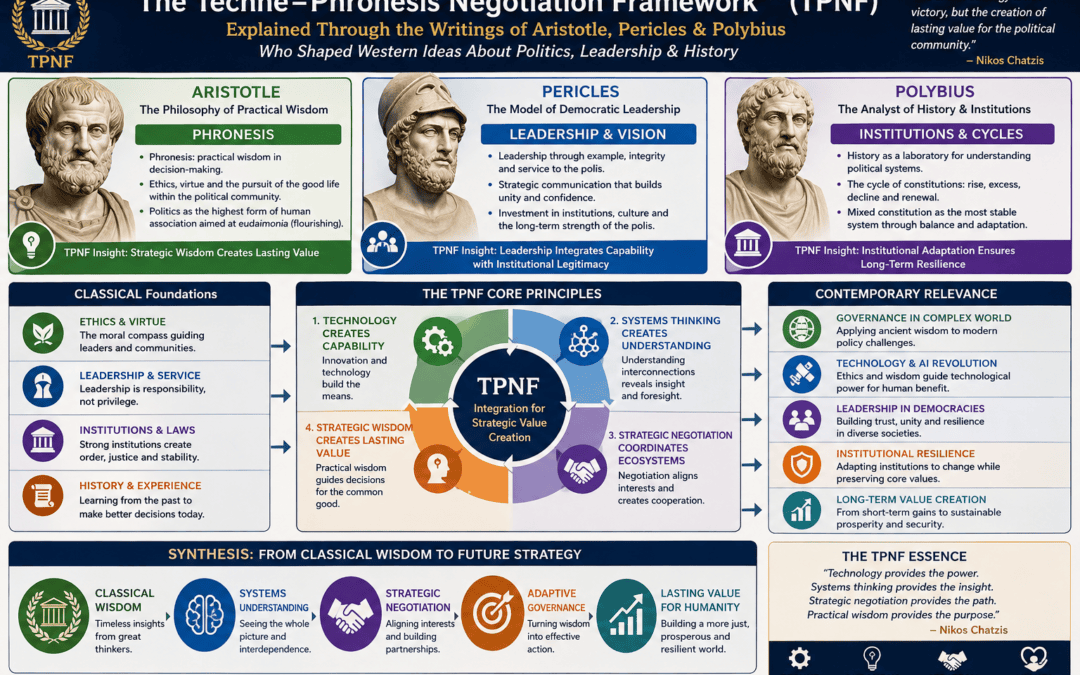
This essay explores how Aristotle’s philosophy of practical wisdom, Pericles’ vision of democratic leadership, and Polybius’ analysis of political systems and historical cycles collectively illuminate the theoretical foundations of the Techne–Phronesis Negotiation Framework™ (TPNF). It argues that these classical thinkers provide complementary perspectives that help explain strategic adaptation, governance, institutional resilience, and long-term value creation in the twenty-first century.
by Nikos Chatzis | 5 Aug, 2026 | Space, Strategic Governance, Supply Chains, The Techne–Phronesis Negotiation Framework™
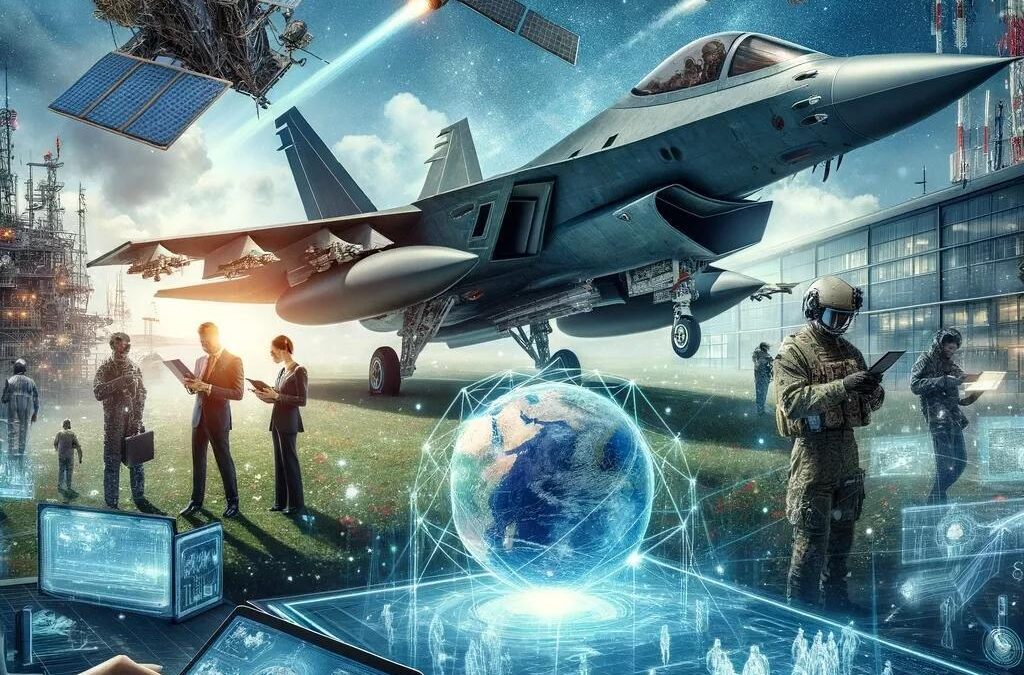
This essay examines how recent developments in U.S. defense inventories and the rapid expansion of SpaceX’s commercial technology businesses illustrate the changing relationship between military capability and technological innovation. Through the analytical perspective of the Techne–Phronesis Negotiation Framework™ (TPNF), it argues that future strategic advantage will increasingly depend upon integrated technological ecosystems rather than military hardware alone.
by Nikos Chatzis | 4 Aug, 2026 | Geopolitics, The Techne–Phronesis Negotiation Framework™, War
This essay examines how domestic political dynamics in democratic societies interact with the wars in Ukraine and Iran. Through the analytical perspective of the Techne–Phronesis Negotiation Framework™ (TPNF), it argues that strategic decisions are increasingly influenced by the interaction between external security challenges and internal political, economic, and societal pressures.
by Nikos Chatzis | 4 Aug, 2026 | Ancient Greek Philosopphy, Strategic Theory, Strategic Thinking, The Techne–Phronesis Negotiation Framework™
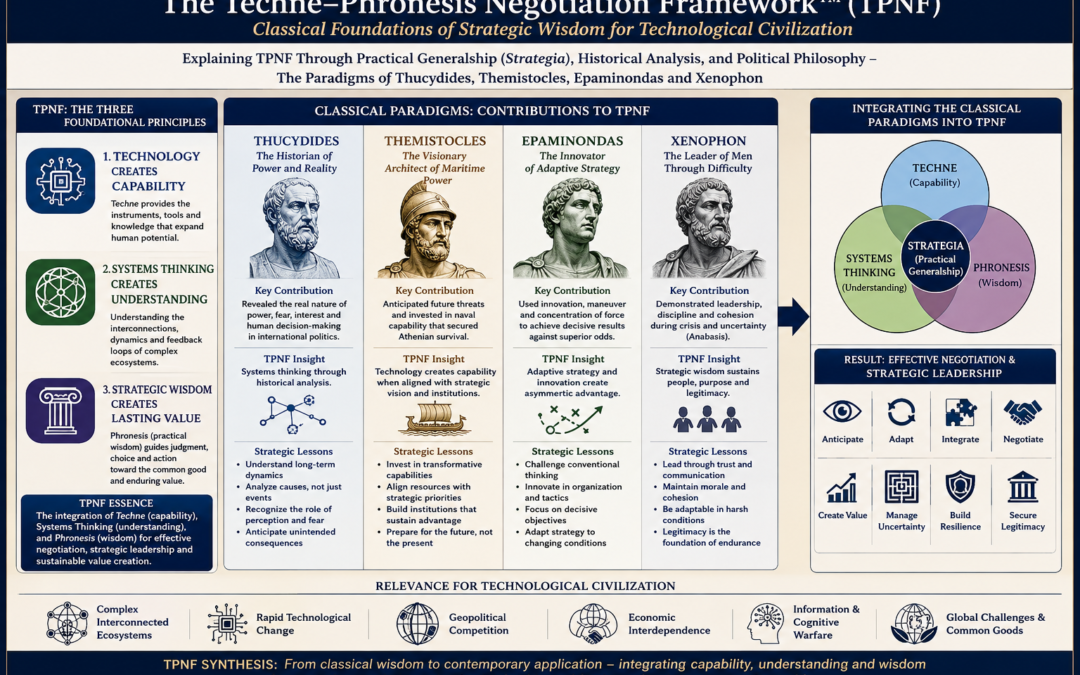
This essay explores the philosophical and historical foundations of TPNF by examining four influential figures from classical Greece. It argues that their contributions to leadership, strategy, diplomacy, military command, and political judgment provide timeless insights that can be reinterpreted through TPNF to address the interconnected technological, geopolitical, and institutional challenges of the twenty-first century.
by Nikos Chatzis | 4 Aug, 2026 | Geopolitics, Middle East Trade, The Techne–Phronesis Negotiation Framework™
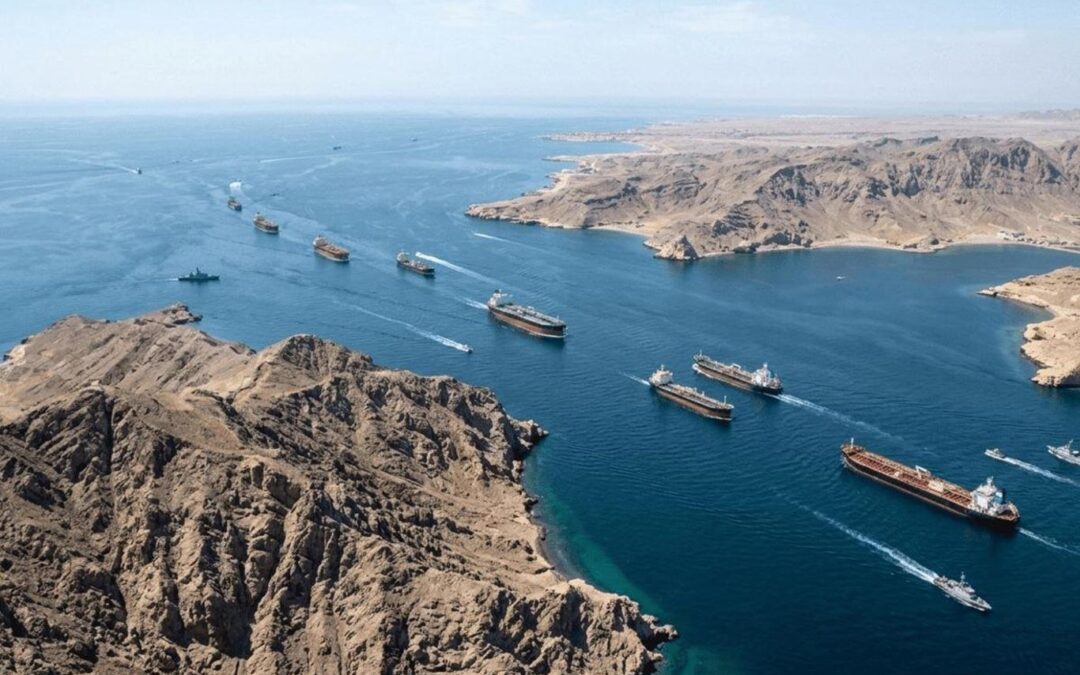
This essay examines how regional trade corridors and maritime chokepoints can become strategic assets during geopolitical crises. Using the analytical perspective of the Techne–Phronesis Negotiation Framework™ (TPNF), it explores how geoeconomic pressure, strategic negotiation, adaptive governance, and networked resilience shape the contemporary security environment.
by Nikos Chatzis | 3 Aug, 2026 | Geoeconomy, Negotiation Ecosystems, Network Ecosystems, Technology Ecosystems, The Techne–Phronesis Negotiation Framework™
This essay develops a comprehensive TPNF perspective on the evolution of three fundamental ecosystem categories that increasingly shape global affairs. It argues that technological innovation, strategic negotiation, and geoeconomic interdependence should be understood not as separate domains but as interconnected ecosystem dynamics that collectively determine long-term competitiveness and societal development.
by Nikos Chatzis | 3 Aug, 2026 | Global Finance, The Techne–Phronesis Negotiation Framework™
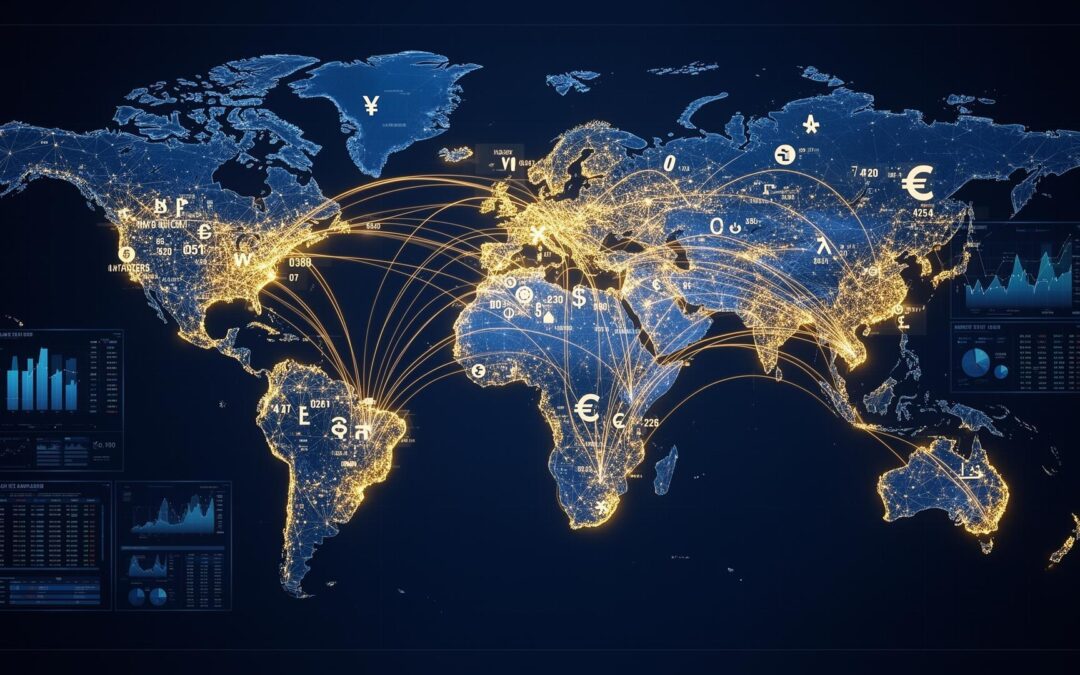
This essay analyzes the strategic significance of the coordinated U.S.–Japan intervention to support the Japanese yen. Using the analytical perspective of the Techne–Phronesis Negotiation Framework™ (TPNF), it argues that modern financial markets should be understood as interconnected strategic ecosystems in which technology, governance, strategic negotiation, and adaptive coordination are essential for preserving long-term economic resilience and future value creation.
by Nikos Chatzis | 2 Aug, 2026 | Strategic Resilience, Tech Economy of Software, Technological Civilization, Technology Evolution, The Techne–Phronesis Negotiation Framework™, Value Creation
This essay presents an integrative perspective on the evolution of technological civilization by examining the interaction between global connectivity, technology, adaptation, governance, resilience, and value creation. Through the analytical lens of the Techne–Phronesis Negotiation Framework™ (TPNF), it argues that future prosperity will increasingly depend on the ability to coordinate these interconnected dimensions rather than optimize them independently.

by Nikos Chatzis | 2 Aug, 2026 | Institutional Adaptation, The Techne–Phronesis Negotiation Framework™, Value Creation
This essay examines the strategic importance of institutional adaptation in the emerging technological civilization. Through the analytical perspective of the Techne–Phronesis Negotiation Framework™ (TPNF), it argues that institutions capable of continuous learning and adaptation become the principal generators of resilience, innovation, legitimacy, and long-term strategic competitiveness.