Negotiation.gr | Strategic Wisdom for the Technological Age
“Strategic resilience emerges when technical capability (techne) is
continuously guided by practical wisdom (phronesis) through adaptive
negotiation across interconnected systems.”
Central Idea
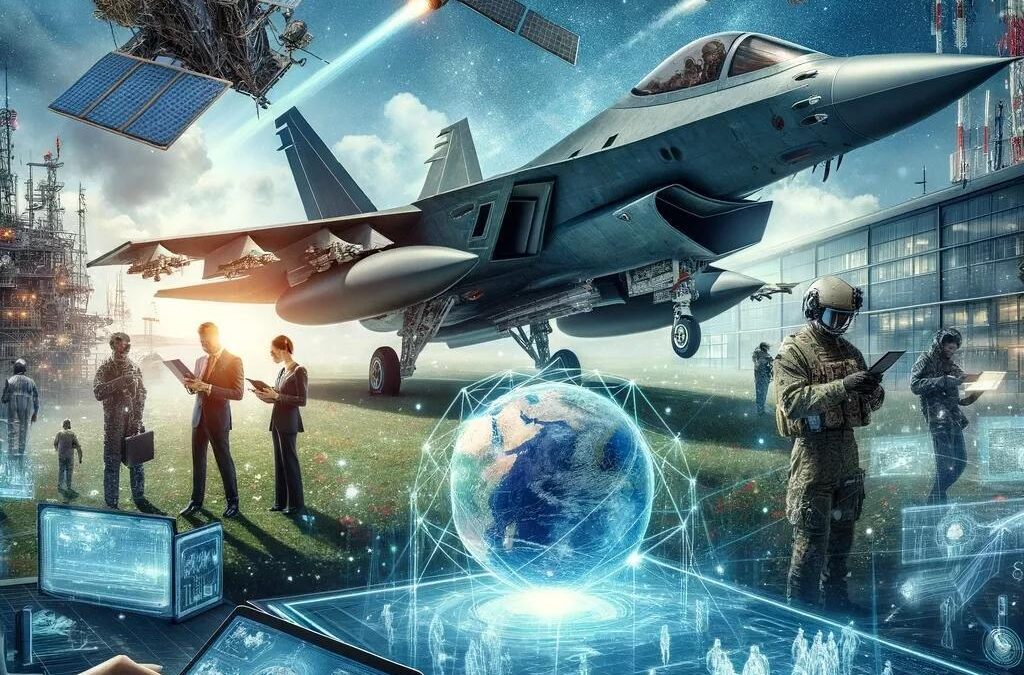
The simultaneous depletion of advanced U.S. long-range precision munitions and the rapid growth of SpaceX’s satellite and artificial intelligence businesses illustrate a broader transformation in strategic power. Military effectiveness increasingly depends not only on weapons inventories but also on technological ecosystems capable of integrating space infrastructure, artificial intelligence, industrial production, and resilient innovation. The Techne–Phronesis Negotiation Framework™ (TPNF) explains this transition by viewing defense and technology as interconnected strategic ecosystems rather than separate sectors. Reuters reports that U.S. stocks of PrSM and ATACMS have been heavily drawn down, while SpaceX has reported sharply rising revenues driven by Starlink and AI-related activities.
Purpose of the Essay
This essay examines how recent developments in U.S. defense inventories and the rapid expansion of SpaceX’s commercial technology businesses illustrate the changing relationship between military capability and technological innovation. Through the analytical perspective of the Techne–Phronesis Negotiation Framework™ (TPNF), it argues that future strategic advantage will increasingly depend upon integrated technological ecosystems rather than military hardware alone.
Abstract
The contemporary security environment is undergoing a profound transformation. While traditional military strength continues to depend on conventional weapons, strategic competition increasingly extends into space systems, artificial intelligence, autonomous technologies, industrial capacity, and digital infrastructure.
Recent reports indicate that the United States has consumed most of its available inventories of PrSM and ATACMS long-range precision missiles during operations associated with the conflict involving Iran, raising questions about production capacity and long-term readiness. At the same time, SpaceX has reported substantial revenue growth driven by Starlink, launch services, and rapidly expanding AI businesses, highlighting the growing strategic importance of commercial technology ecosystems.
The Techne–Phronesis Negotiation Framework™ (TPNF) interprets these developments as evidence that military capability and technological capability are becoming increasingly inseparable components of a broader strategic ecosystem.
Introduction
Strategic Power Beyond Weapons
For much of the twentieth century, military power was evaluated primarily through the quantity and quality of conventional weapon systems.
Today, strategic power increasingly depends upon the integration of:
- space infrastructure
- artificial intelligence
- satellite communications
- industrial manufacturing
- autonomous systems
- digital networks
- logistics
- advanced data analytics
Military inventories remain essential.
However, they now operate within a much broader technological ecosystem.
Main Discussion
1. Technology Creates Capability
The first principle of TPNF states:
Technology Creates Capability.
SpaceX illustrates this transformation.
Its expanding ecosystem combines:
- reusable launch systems
- Starlink satellite communications
- AI infrastructure
- cloud computing
- commercial space services
- government contracts
Reuters reports that the company’s quarterly revenue nearly doubled year over year, supported primarily by Starlink and rapidly expanding AI activities.
Technology therefore becomes an enduring source of strategic capability extending beyond traditional defense production.
2. Precision Munitions and Industrial Capacity
Reports that U.S. inventories of PrSM and ATACMS have been substantially depleted highlight another strategic reality.
Military capability depends not only on existing inventories but also on:
- industrial production
- supply chains
- manufacturing scalability
- technological innovation
- logistics
- workforce capability
According to Reuters, military planners have expressed concern that the pace of consumption has exceeded current production capacity for several advanced systems.
3. Technological Ecosystems and Defense Ecosystems
Within TPNF, defense capability emerges from interconnected ecosystems rather than isolated weapons.
These ecosystems include:
- defense industries
- AI developers
- satellite operators
- semiconductor manufacturers
- software companies
- research institutions
- logistics providers
- military organizations
Strategic effectiveness increasingly depends upon the quality of interactions among these actors.
4. Systems Thinking Creates Understanding
The second principle of TPNF states:
Systems Thinking Creates Understanding.
Weapons inventories influence industrial policy.
Industrial policy shapes technological investment.
Technological investment supports artificial intelligence.
Artificial intelligence enhances military decision-making.
Satellite infrastructure strengthens communications.
Communications improve operational effectiveness.
Each component reinforces the others.
Systems thinking explains why military readiness can no longer be evaluated solely through weapons stockpiles.
5. Commercial Innovation and National Security
One of the defining characteristics of technological civilization is the increasing role of commercial innovation in national security.
Private-sector companies increasingly contribute to:
- satellite communications
- launch capabilities
- AI development
- cloud infrastructure
- cybersecurity
- autonomous systems
The boundary between civilian and defense innovation continues to narrow.
6. Strategic Negotiation and Industrial Coordination
Future defense capability requires continuous coordination among:
- governments
- defense industries
- technology firms
- research laboratories
- financial institutions
- allied nations
Strategic negotiation therefore becomes a mechanism for aligning technological ecosystems with national security objectives.
7. Strategic Wisdom Creates Lasting Value
The third principle of TPNF states:
Strategic Wisdom Creates Lasting Value.
Military inventories can be replenished.
Strategic ecosystems require years to develop.
Long-term competitiveness therefore depends upon:
- sustained innovation
- industrial resilience
- adaptive governance
- technological leadership
- strategic investment
Strategic wisdom recognizes that future power increasingly derives from the capacity to regenerate capability continuously rather than simply accumulate inventories.
Strategic Implications
The TPNF perspective suggests several important conclusions.
First, military capability increasingly depends upon technological ecosystems rather than weapons alone.
Second, commercial innovation is becoming an essential component of national security.
Third, industrial resilience determines the sustainability of military operations.
Fourth, systems thinking enables leaders to understand the interaction between defense, technology, manufacturing, and innovation.
Finally, strategic wisdom transforms technological ecosystems into enduring national capability.
The reported depletion of advanced U.S. precision munitions alongside the rapid expansion of SpaceX’s satellite and AI businesses reflects a broader transformation in the foundations of strategic power. Conventional military strength remains indispensable, yet it is increasingly supported—and in some respects reshaped—by commercial technological ecosystems capable of generating communications, data, intelligence, industrial capacity, and innovation at unprecedented speed.
The Techne–Phronesis Negotiation Framework™ (TPNF) explains this transformation by integrating technological capability, systems thinking, strategic negotiation, industrial resilience, and practical wisdom into a unified analytical framework. In the emerging technological civilization, the decisive strategic advantage may belong not only to those with the largest arsenals, but also to those capable of continuously generating, integrating, and renewing technological capability across interconnected ecosystems.
Key Takeaways
- Modern military capability increasingly depends upon resilient technological ecosystems.
- Precision weapons inventories and industrial production capacity are strategically interconnected.
- Commercial space and AI companies play an expanding role in national security.
- Systems thinking explains the interaction among defense, industry, technology, and innovation.
- Strategic wisdom emphasizes continuous capability generation rather than static military inventories.
Author’s Reflection
The technological age is transforming the foundations of strategic power. While military capabilities remain essential, their long-term effectiveness increasingly depends upon resilient ecosystems that integrate industry, innovation, artificial intelligence, space infrastructure, and adaptive governance. The Techne–Phronesis Negotiation Framework™ (TPNF) proposes that lasting strategic advantage belongs to societies capable of continuously generating technological capability, coordinating complex ecosystems, and guiding innovation with practical wisdom.
Author: Nikos Chatzis
Source: Open Sources Analysis, Relative Data Analysis by Nikos Chatzis
© Nikolaos Chatzis. All Rights Reserved.
The Techne–Phronesis Negotiation Framework™
An Integrative Theory of Strategic Negotiation, Complex Adaptive Systems and Practical Wisdom
Technology Creates Capability • Systems Thinking Creates Understanding • Strategic Wisdom Creates Lasting Value.
Negotiation.gr | Strategic Wisdom for the Technological Age