
by Nikos Chatzis | 10 Aug, 2026 | Cyber Attacks, Geopolitics, The Techne–Phronesis Negotiation Framework™
This essay examines Taiwan’s deliberate throttling of mobile internet during defense exercises and the reported development of advanced AI-enabled cyber capabilities by Kimsuky as two dimensions of the same strategic transformation.

by Nikos Chatzis | 9 Aug, 2026 | Practical Innovation, Strategic Analysis, Technological Civilization, Technology Ecosystems, Technology Evolution, The Techne–Phronesis Negotiation Framework™
The purpose of this essay is to explain how TPNF can function as a practical strategic-analytical framework for examining the increasingly complex technological and strategic challenges of the twenty-first century.

by Nikos Chatzis | 9 Aug, 2026 | Geopolitics, Oil Economy, The Techne–Phronesis Negotiation Framework™, War
This essay examines why an Iran–Oman arrangement concerning shipping through the Strait of Hormuz may be necessary but insufficient for restoring normal maritime traffic. Using the analytical architecture of the Techne–Phronesis Negotiation Framework™ (TPNF), it explains how regional conflict increasingly operates through interconnected strategic ecosystems in which maritime access, energy infrastructure, proxy warfare, sanctions, insurance markets, diplomatic bargaining and military deterrence continuously influence one another.

by Nikos Chatzis | 9 Aug, 2026 | Strategic Theory, Strategic Thinking, Strategic Wisdom, Technological Civilization, The Techne–Phronesis Negotiation Framework™
The purpose of this essay is to define what it means to describe TPNF as a General Strategic Theory, identify its principal analytical components, establish its potential explanatory domain, and clarify the conditions under which such a theoretical claim should be evaluated.
by Nikos Chatzis | 8 Aug, 2026 | Geopolitics, Greece-Turkey, Strategic Theory, Strategic Thinking, Strategic Wisdom, The Techne–Phronesis Negotiation Framework™
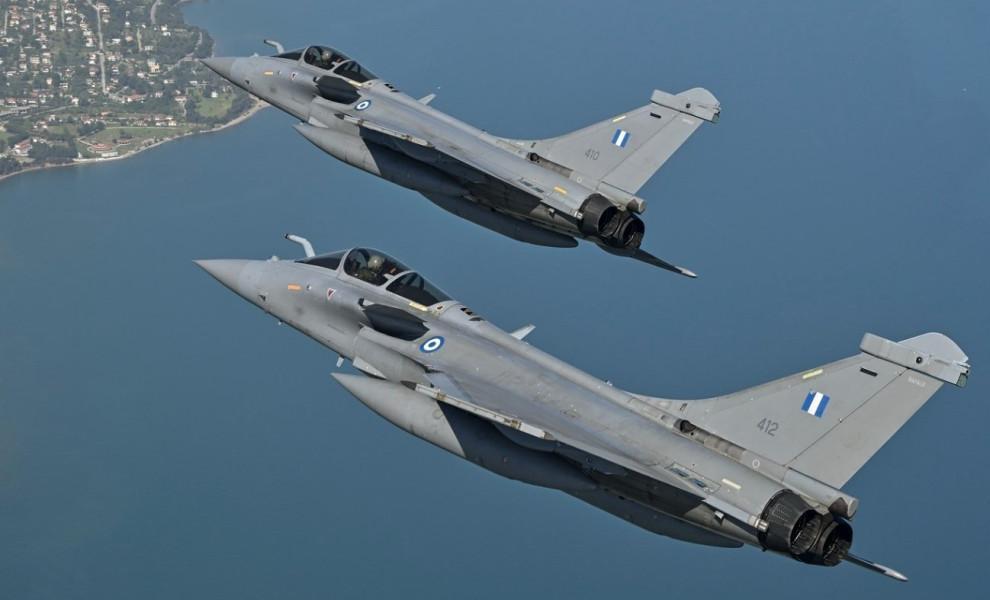
This essay examines Turkey’s draft maritime-jurisdiction legislation and the broader Greek–Turkish strategic relationship through the analytical architecture of the Techne–Phronesis Negotiation Framework™ (TPNF). A sophisticated state must combine law and power, legitimacy and deterrence, diplomacy and technology, alliances and national capability.
For Greece, the strategic objective should therefore be neither confrontation nor accommodation under pressure, but the construction of an ecosystem in which coercion becomes progressively less attractive, less effective and more costly.
by Nikos Chatzis | 8 Aug, 2026 | Geopolitics, The Techne–Phronesis Negotiation Framework™
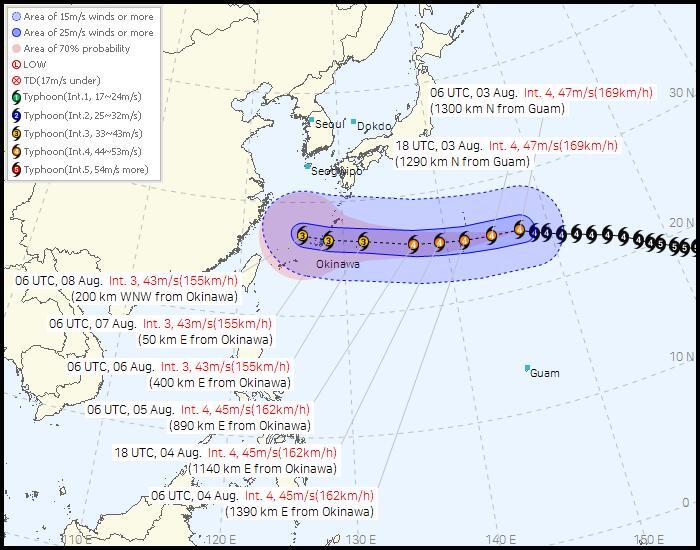
Rather than examining the typhoon solely as a weather emergency, TPNF analyzes how disruption propagates through networks and how technology, systems thinking, strategic coordination, adaptive governance and practical wisdom can collectively strengthen Networked Strategic Resilience.

by Nikos Chatzis | 8 Aug, 2026 | Intellectual System, The Techne–Phronesis Negotiation Framework™, Value Creation
The essay argues that TPNF connects Techne, Systems Thinking, Strategic Negotiation, Strategia, Adaptive Governance, Institutional Adaptation, Networked Strategic Resilience, and Phronesis into an integrated process through which individuals, organizations, societies, and states can generate multidimensional value under conditions of technological acceleration and strategic uncertainty.

by Nikos Chatzis | 7 Aug, 2026 | Platform Ecosystems, The Techne–Phronesis Negotiation Framework™
This essay analyzes the strategic significance of the New Mexico court decision involving Meta through the analytical perspective of the Techne–Phronesis Negotiation Framework™ (TPNF). It argues that disputes over social media, artificial intelligence, and digital platform design increasingly concern not only legal compliance but also the governance of technological ecosystems and the creation of long-term societal value.
by Nikos Chatzis | 7 Aug, 2026 | Geopolitics, The Techne–Phronesis Negotiation Framework™, War
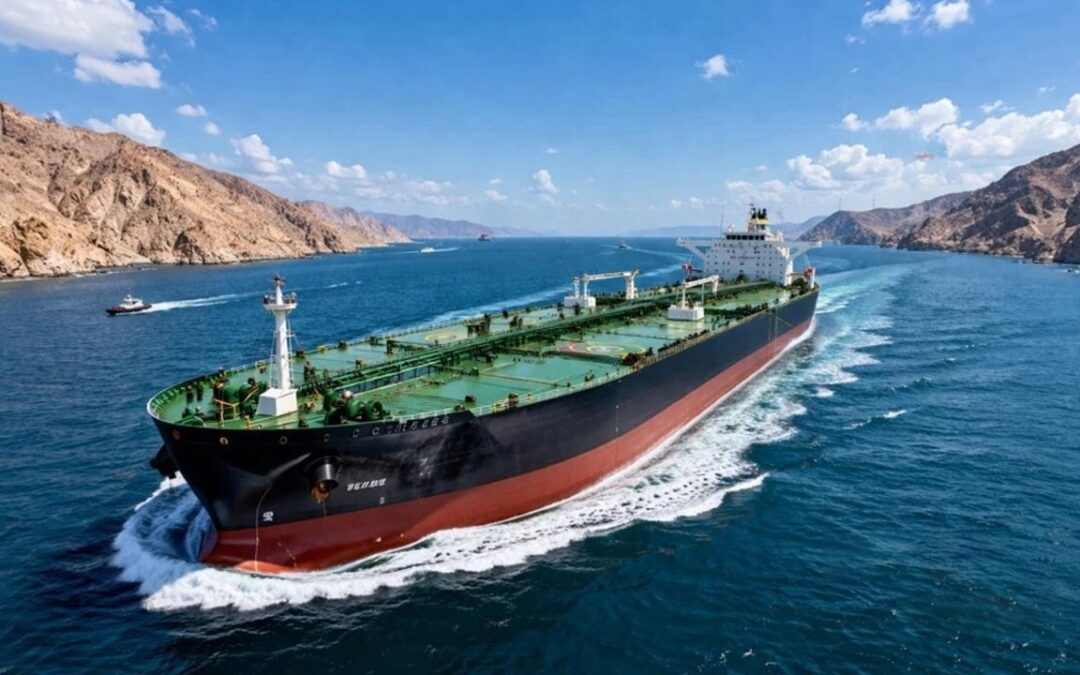
This essay analyzes the emerging regional dynamics through the analytical perspective of the Techne–Phronesis Negotiation Framework™ (TPNF). It argues that current developments demonstrate how negotiations, maritime chokepoints, alliance politics, domestic political pressures, and technological capabilities interact within a single complex adaptive ecosystem.
by Nikos Chatzis | 6 Aug, 2026 | Ancient Greek Philosophy, Strategic Theory, Strategic Thinking, Strategic Wisdom, The Techne–Phronesis Negotiation Framework™
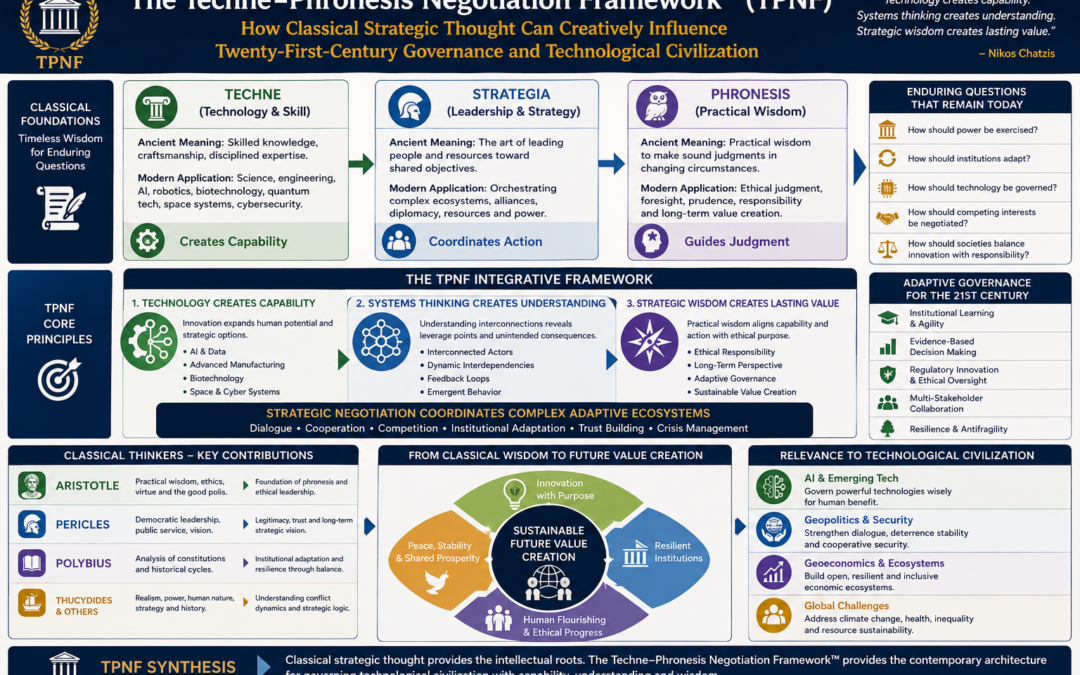
This essay examines how classical strategic thought can contribute creatively to contemporary governance and technological civilization. Through the analytical perspective of the Techne–Phronesis Negotiation Framework™ (TPNF), it argues that the wisdom of classical thinkers should not be regarded merely as historical heritage but as an active intellectual resource for understanding and governing complex technological ecosystems.