by Nikos Chatzis | 12 Aug, 2026 | Geopolitics, The Techne–Phronesis Negotiation Framework™, War
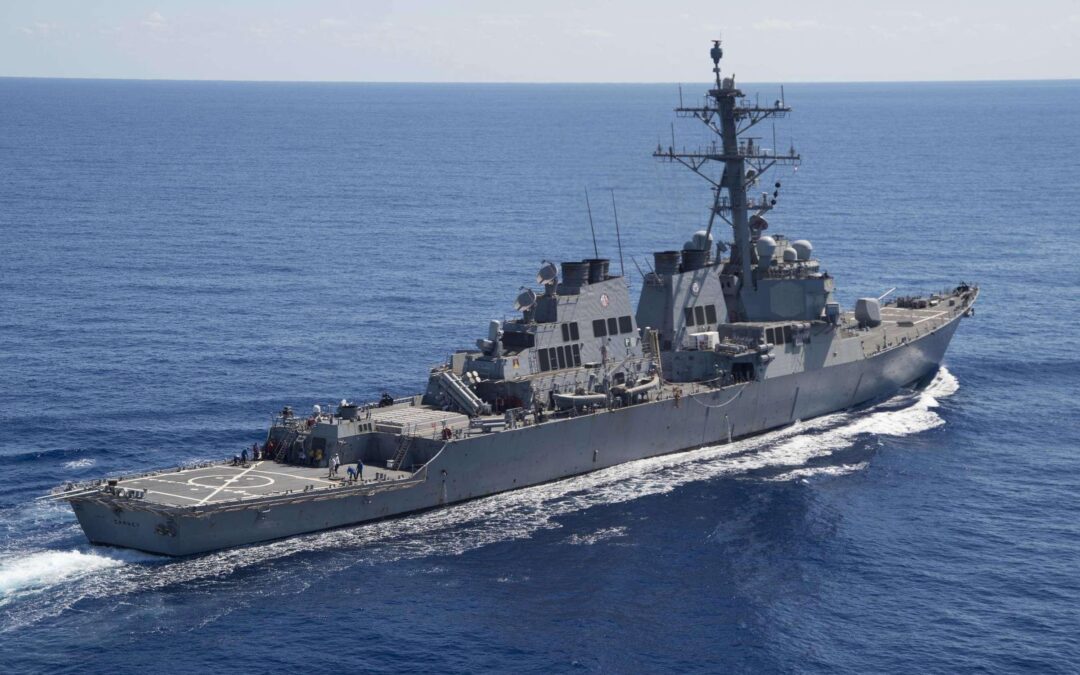
This essay examines the emerging divergence between U.S. and Israeli objectives alongside continuing maritime escalation involving the Houthis and the United States. TPNF argues that the Middle East should increasingly be understood not as a collection of separate conflicts but as a Negotiating–Security Ecosystem in which actions on one front alter bargaining positions across several others.

by Nikos Chatzis | 11 Aug, 2026 | Geopolitics, Global Economy, Strategic Financial Ecosystems, The Techne–Phronesis Negotiation Framework™
This essay explains Strategic Financial Ecosystems through TPNF and examines how their transformation affects geopolitical competition, economic resilience and international negotiation. Its central argument is that financial strategy can no longer be analyzed independently from technology, trade, energy, security and geopolitics.

by Nikos Chatzis | 10 Aug, 2026 | Cyber Attacks, Geopolitics, The Techne–Phronesis Negotiation Framework™
This essay examines Taiwan’s deliberate throttling of mobile internet during defense exercises and the reported development of advanced AI-enabled cyber capabilities by Kimsuky as two dimensions of the same strategic transformation.

by Nikos Chatzis | 9 Aug, 2026 | Geopolitics, Oil Economy, The Techne–Phronesis Negotiation Framework™, War
This essay examines why an Iran–Oman arrangement concerning shipping through the Strait of Hormuz may be necessary but insufficient for restoring normal maritime traffic. Using the analytical architecture of the Techne–Phronesis Negotiation Framework™ (TPNF), it explains how regional conflict increasingly operates through interconnected strategic ecosystems in which maritime access, energy infrastructure, proxy warfare, sanctions, insurance markets, diplomatic bargaining and military deterrence continuously influence one another.
by Nikos Chatzis | 8 Aug, 2026 | Geopolitics, Greece-Turkey, Strategic Theory, Strategic Thinking, Strategic Wisdom, The Techne–Phronesis Negotiation Framework™
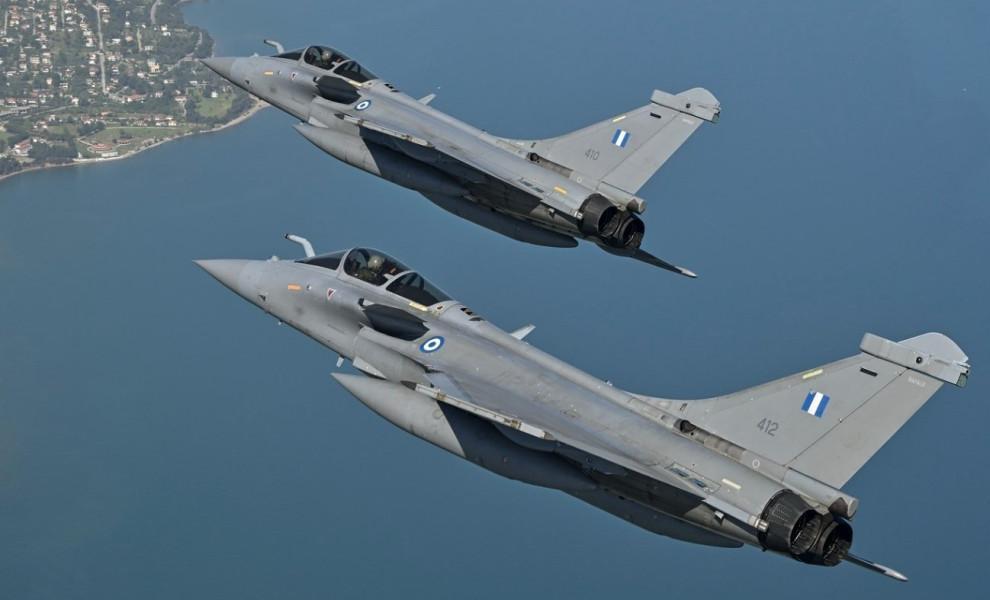
This essay examines Turkey’s draft maritime-jurisdiction legislation and the broader Greek–Turkish strategic relationship through the analytical architecture of the Techne–Phronesis Negotiation Framework™ (TPNF). A sophisticated state must combine law and power, legitimacy and deterrence, diplomacy and technology, alliances and national capability.
For Greece, the strategic objective should therefore be neither confrontation nor accommodation under pressure, but the construction of an ecosystem in which coercion becomes progressively less attractive, less effective and more costly.
by Nikos Chatzis | 8 Aug, 2026 | Geopolitics, The Techne–Phronesis Negotiation Framework™
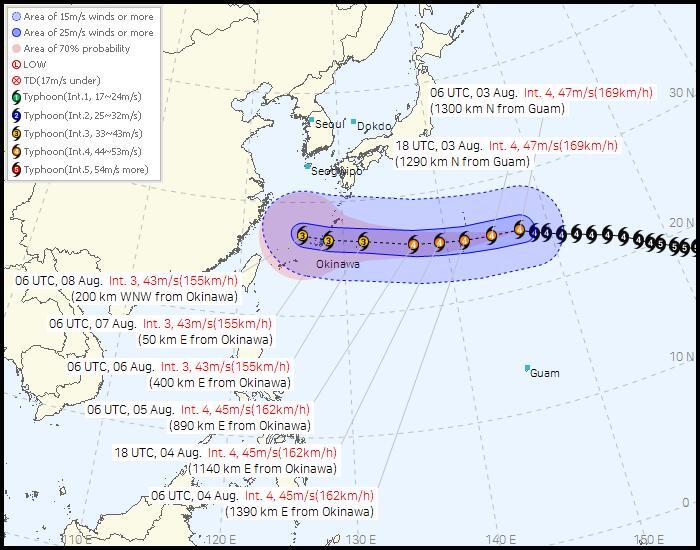
Rather than examining the typhoon solely as a weather emergency, TPNF analyzes how disruption propagates through networks and how technology, systems thinking, strategic coordination, adaptive governance and practical wisdom can collectively strengthen Networked Strategic Resilience.