by Nikos Chatzis | 21 Jul, 2026 | geoeconomics, Geoeconomy, Geopolitics, The Techne–Phronesis Negotiation Framework™
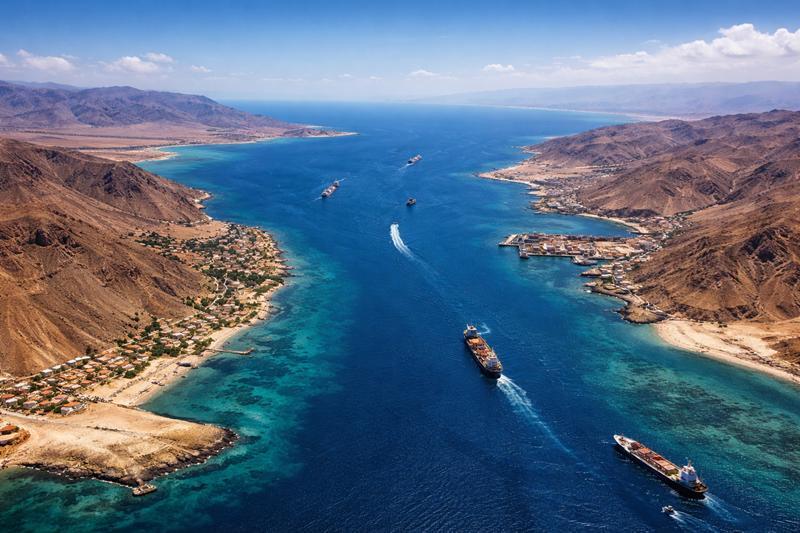
The purpose of this essay is to examine how Houthi maritime operations influence Saudi maritime security and the wider U.S.–Iran confrontation through the analytical lens of the Techne–Phronesis Negotiation Framework™ (TPNF). The essay explores how technological capabilities, strategic negotiation, systems thinking, and adaptive network ecosystems shape the evolving security architecture of the Red Sea and the Arabian Peninsula.
by Nikos Chatzis | 17 Jul, 2026 | Geoeconomy, Geopolitics, The Techne–Phronesis Negotiation Framework™
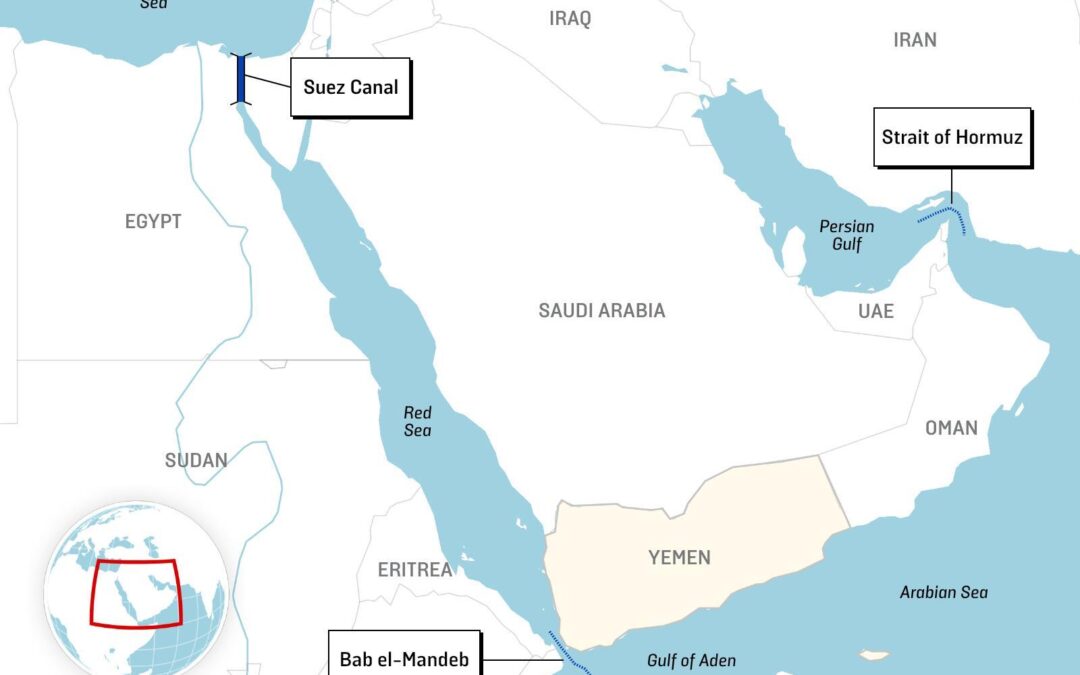
The purpose of this essay is to examine the strategic implications of two potential escalation pathways—attacks on critical power infrastructure and disruption of the Red Sea maritime gateway—and to evaluate their consequences for the United States, the European Union, and the Arab Gulf States through the interdisciplinary perspective of the Techne–Phronesis Negotiation Framework™ (TPNF).
by Nikos Chatzis | 16 Jul, 2026 | Geopolitics, Network Ecosystems, The Techne–Phronesis Negotiation Framework™
The purpose of this essay is to introduce the concept of the non-polar state as an analytical perspective for understanding contemporary geopolitics. Rather than viewing states solely through traditional models of polarity, the TPNF explains how influence increasingly arises from participation in multilevel network ecosystems that integrate technology, diplomacy, finance, innovation, governance, and international cooperation. The essay argues that strategic adaptation and resilient ecosystem governance are becoming defining characteristics of successful states in technological civilization. The Techne–Phronesis Negotiation Framework™ (TPNF) argues that the contemporary Non-Polar State is defined by its capacity to understand, influence, and adapt to these interconnected ecosystems through techne, phronesis, systems thinking, and strategic negotiation.
by Nikos Chatzis | 16 Jul, 2026 | Geopolitics, The Techne–Phronesis Negotiation Framework™
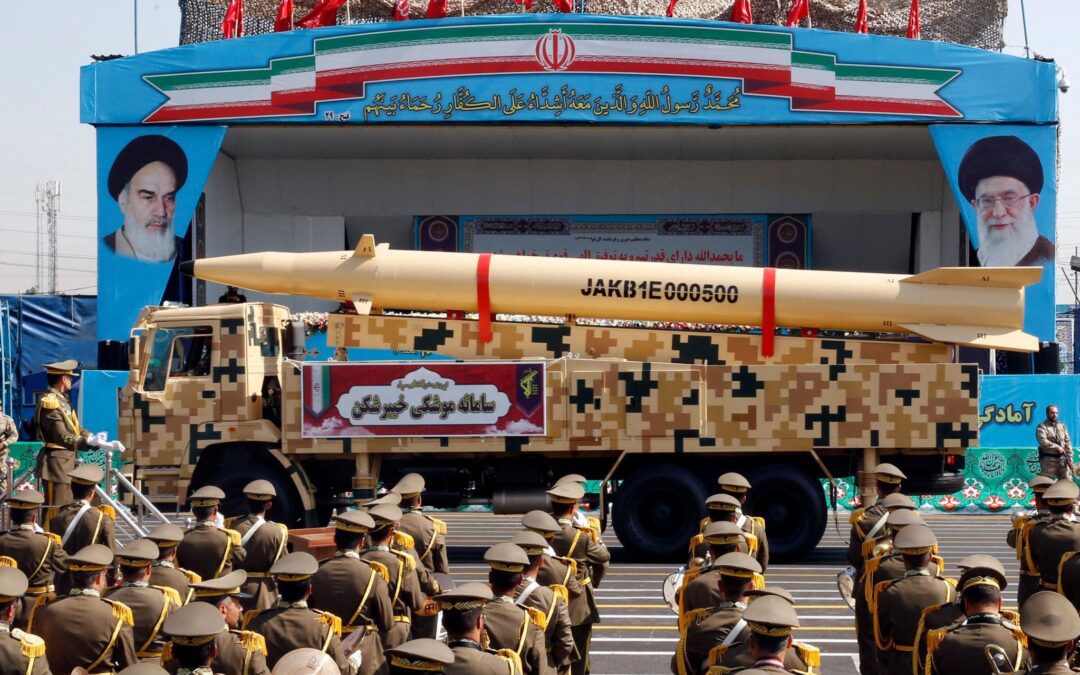
Iran’s missile program has become one of the central elements of its national defense and regional deterrence strategy. Beyond its military dimension, The Techne–Phronesis Negotiation Framework™ (TPNF) argues that the geopolitical significance of Iran’s missile capabilities should be understood within a broader strategic ecosystem where technology, deterrence, diplomacy, industrial capability, and adaptive governance continuously interact. Strategic influence therefore emerges not solely from military assets but from their integration with political, economic, technological, and institutional systems.
by Nikos Chatzis | 15 Jul, 2026 | Geopolitics, The Techne–Phronesis Negotiation Framework™
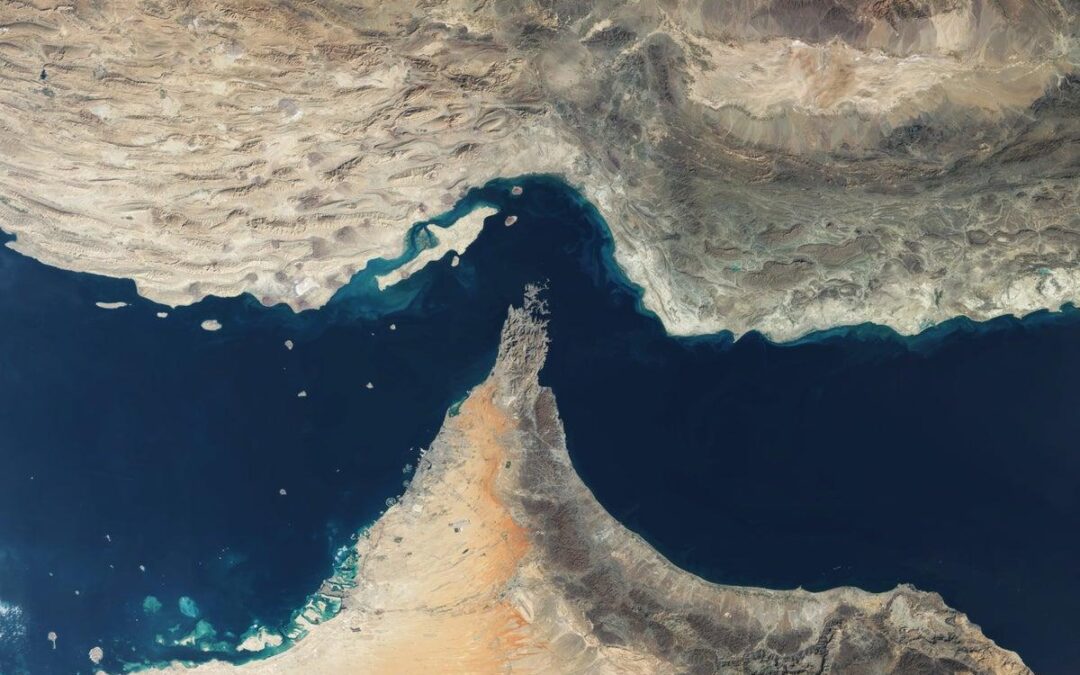
The purpose of this essay is to explain why the Strait of Hormuz remains one of the world’s most strategically significant maritime corridors. Rather than analyzing it solely through military or energy-security perspectives, The Strait of Hormuz is far more than a maritime chokepoint. It is a strategic ecosystem where geography, energy security, international trade, technology, naval power, diplomacy, industrial policy, and national strategy intersect. The Techne–Phronesis Negotiation Framework™ (TPNF) argues that the strategic importance of the Strait of Hormuz lies not merely in its geography, but in its role as an interconnected ecosystem linking global energy markets, technological infrastructure, geopolitical competition, and international governance. Understanding its significance therefore requires integrating techne, phronesis, systems thinking, and adaptive strategic negotiation.
by Nikos Chatzis | 15 Jul, 2026 | Geopolitics, The Techne–Phronesis Negotiation Framework™
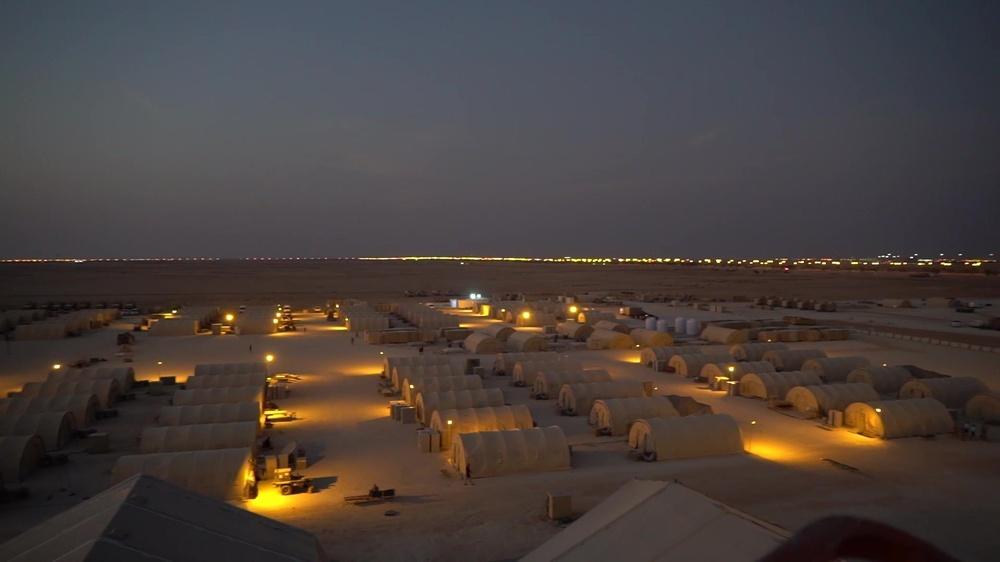
Recent Iranian attacks against U.S. military facilities in the Middle East have intensified debate regarding deterrence, alliance assurance, and regional stability. These developments occur within a broader geopolitical environment in which China continues to expand its commercial, technological, financial, and diplomatic relationships across the Gulf. Rather than interpreting these developments exclusively through military outcomes, the Techne–Phronesis Negotiation Framework™ (TPNF) examines how strategic credibility emerges from the interaction of military capability, diplomacy, economic influence, technological leadership, institutional resilience, and adaptive governance. The framework argues that credibility is not a static attribute but an emergent property of interconnected strategic ecosystems. States sustain influence not only through force projection but also through resilient partnerships, innovation, trusted institutions, and long-term strategic adaptation.