by Nikos Chatzis | 24 Aug, 2026 | Economic Sanctions, Geopolitics, The Techne–Phronesis Negotiation Framework™, War
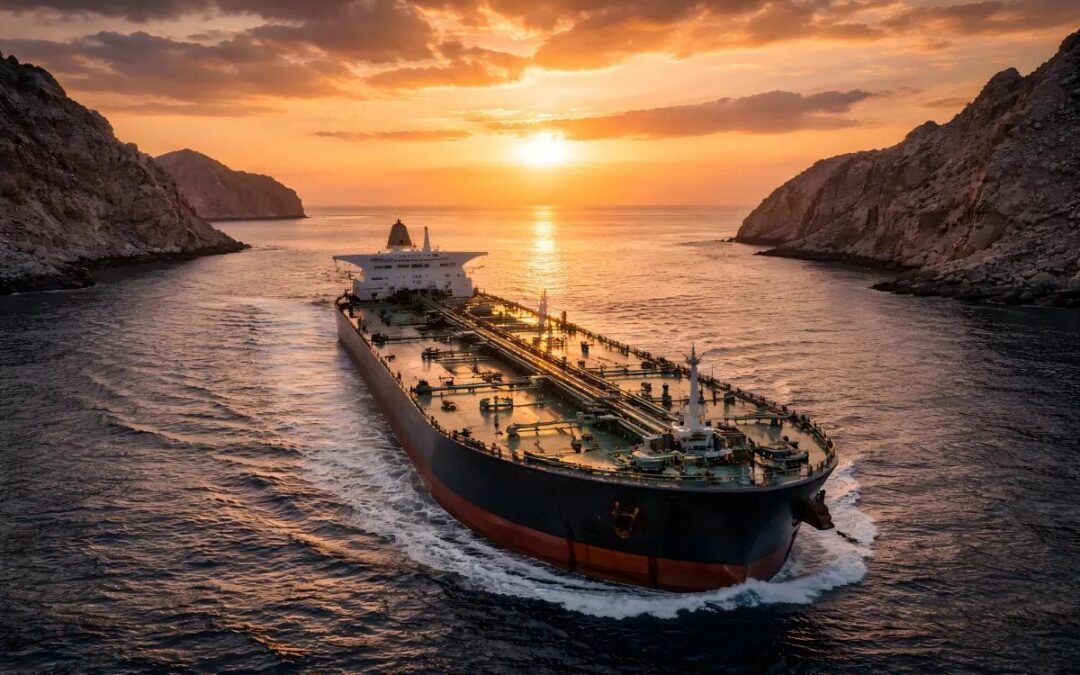
This essay through TPNF examines Iran’s principal options for responding to Washington’s intensified economic campaign and evaluates their wider geopolitical consequences.
It argues that Tehran’s strategic response is likely to depend less upon symmetrical retaliation against American economic power than upon asymmetric escalation across interconnected systems—particularly energy, maritime transportation, Gulf infrastructure, regional security and cyber networks.
by Nikos Chatzis | 24 Aug, 2026 | Geopolitics, The Techne–Phronesis Negotiation Framework™
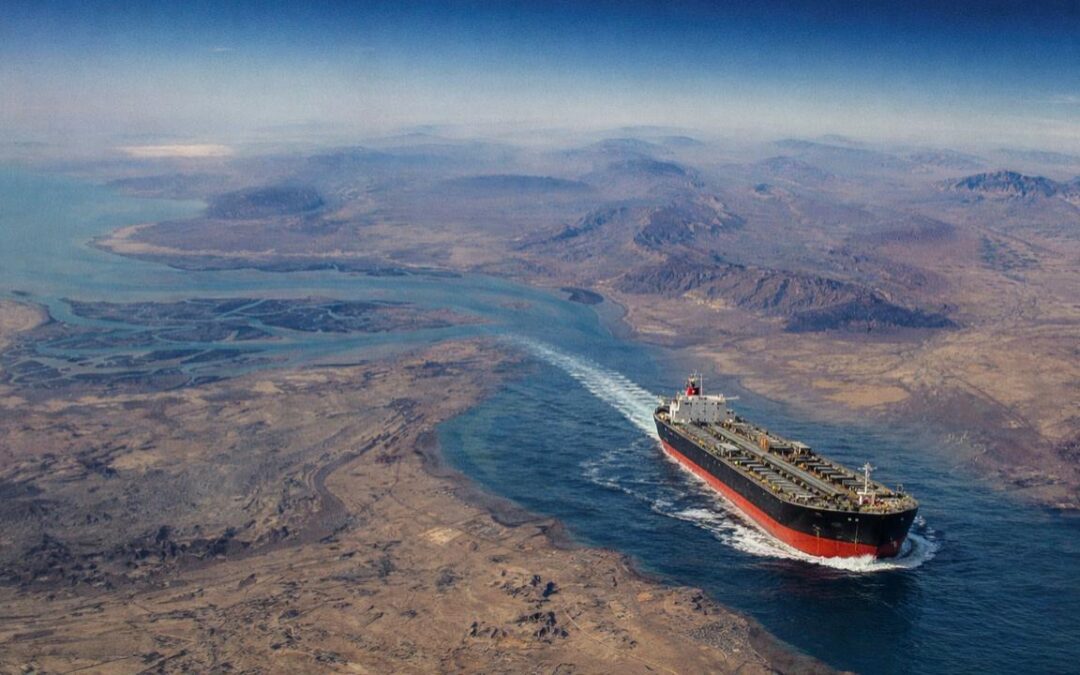
This essay examines the geopolitical significance of Washington’s threatened “Economic D-Day” against Iran and the simultaneous decline in international oil prices. Using TPNF, it explores economic warfare, energy markets, the Strait of Hormuz, coercive diplomacy and the relationship between geopolitical events and market expectations.
by Nikos Chatzis | 22 Aug, 2026 | Geopolitics, Technology Ecosystems, The Techne–Phronesis Negotiation Framework™, UnManned Aerial Vehicles
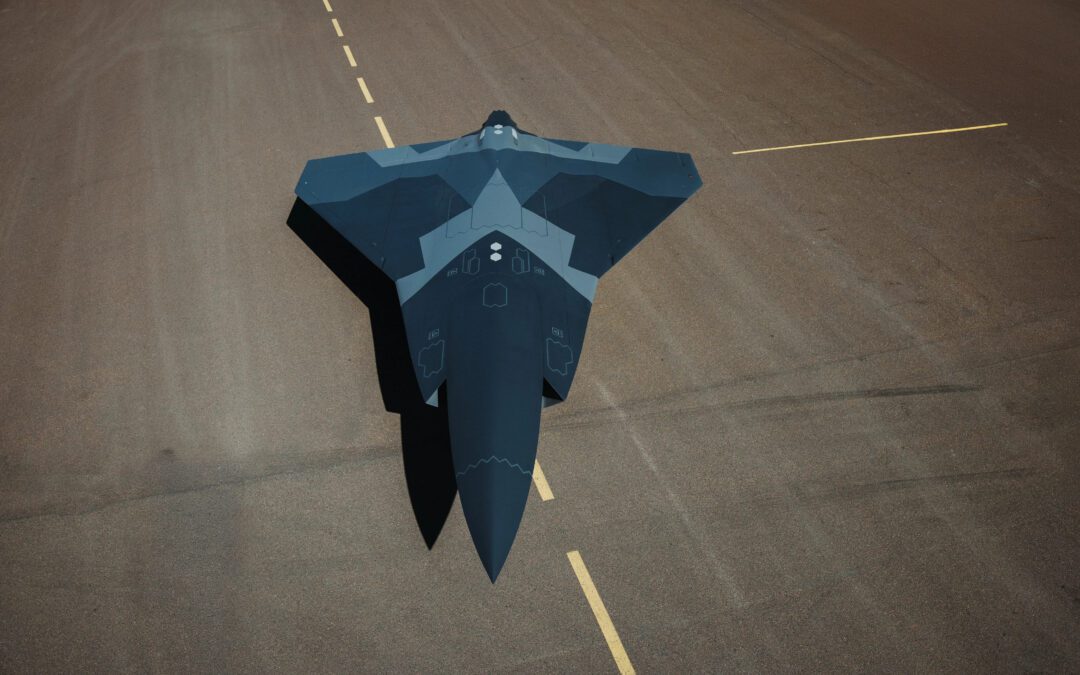
This essay examines Saab’s A3-001 concept and its potential relationship with Gripen E through the TPNF lens. It explores how autonomous collaborative aircraft could transform air warfare, human–machine collaboration, survivability, force economics and European technological sovereignty.
by Nikos Chatzis | 21 Aug, 2026 | Geopolitics, The Techne–Phronesis Negotiation Framework™
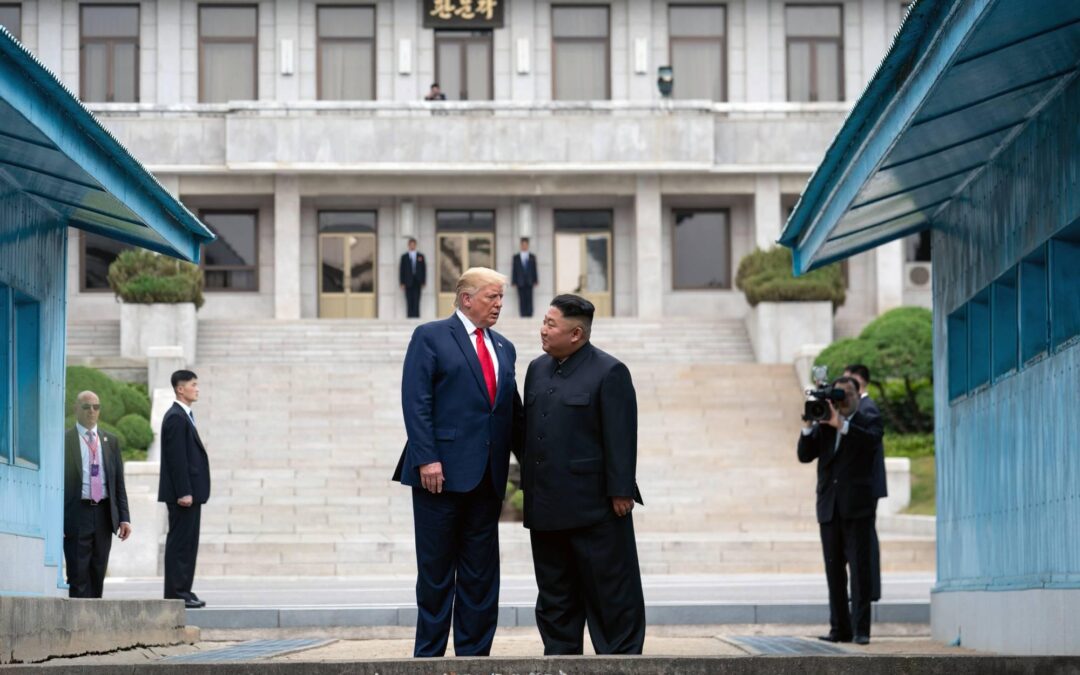
This essay uses the Techne–Phronesis Negotiation Framework™ (TPNF) to examine President Donald Trump’s attempt to reopen dialogue with Kim Jong Un while the U.S. remains trapped in a prolonged confrontation with Iran.
by Nikos Chatzis | 20 Aug, 2026 | Geopolitics, The Techne–Phronesis Negotiation Framework™, US Politics
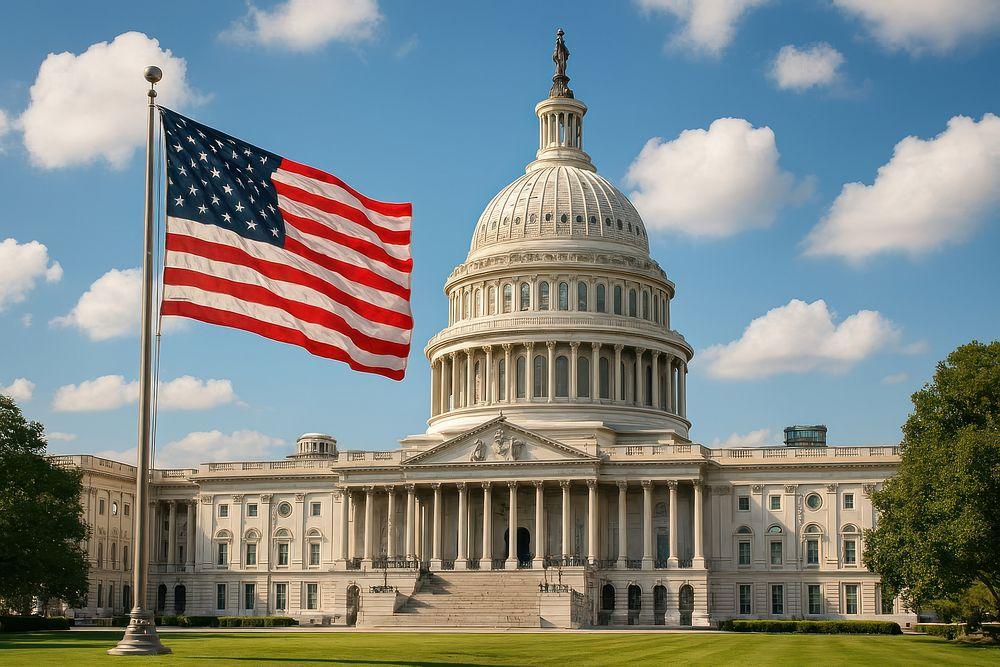
This essay examines the emerging political influence of crypto, AI and betting industries against the electoral consequences of the Iran conflict. Its purpose is to demonstrate how TPNF can distinguish between financial capability, technological capability, geopolitical disruption, institutional influence and actual public power.
by Nikos Chatzis | 19 Aug, 2026 | Geopolitics, The Techne–Phronesis Negotiation Framework™, War
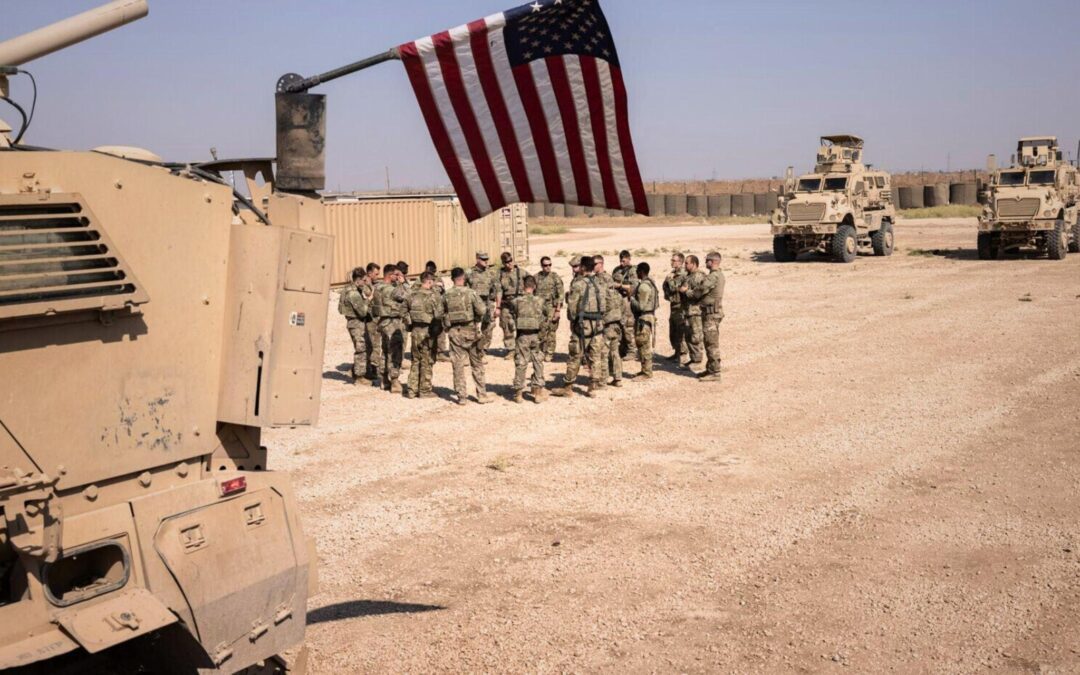
The purpose of this essay is to analyze the geopolitical implications of Iran’s reported consideration of attacks against U.S. military targets in Europe. Using TPNF, it examines the possible transition from regional escalation toward cross-ecosystem conflict, particularly through the interaction of U.S. military infrastructure, European security, NATO, Mediterranean geography, critical infrastructure and Iran’s strategy of raising the costs of American military action.