
by Nikos Chatzis | 23 Aug, 2026 | Technology Corridors, Technology Diplomacy, Technology Ecosystems, Technology Evolution, Technology Geopolitics, Technology Transfer, The Techne–Phronesis Negotiation Framework™, Value Creation
The purpose of this essay is to explain why TPNF should increasingly be understood beyond the conventional boundaries of negotiation theory. Negotiation remains fundamental because technological civilization continuously requires choices among competing interests, capabilities, risks and visions of the future. But TPNF addresses a broader strategic challenge: How can individuals, organizations, states and societies understand, negotiate and govern technological transformation in ways that create lasting value? This question places TPNF at the intersection of technology, systems thinking, strategy, negotiation and practical wisdom.
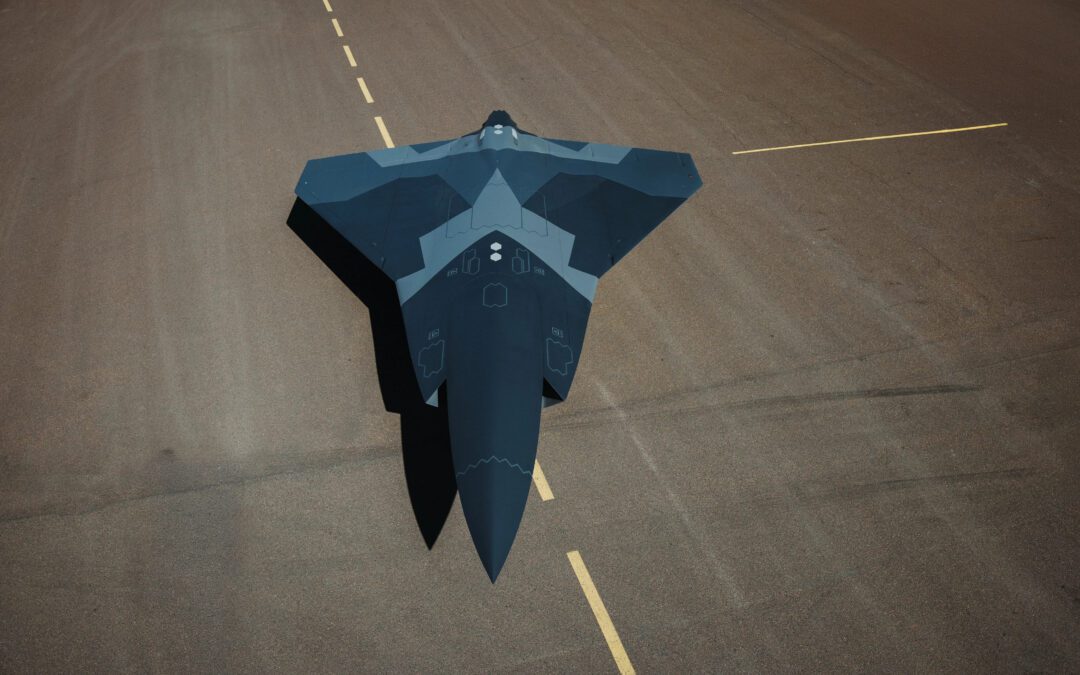
by Nikos Chatzis | 22 Aug, 2026 | Geopolitics, Technology Ecosystems, The Techne–Phronesis Negotiation Framework™, UnManned Aerial Vehicles
This essay examines Saab’s A3-001 concept and its potential relationship with Gripen E through the TPNF lens. It explores how autonomous collaborative aircraft could transform air warfare, human–machine collaboration, survivability, force economics and European technological sovereignty.
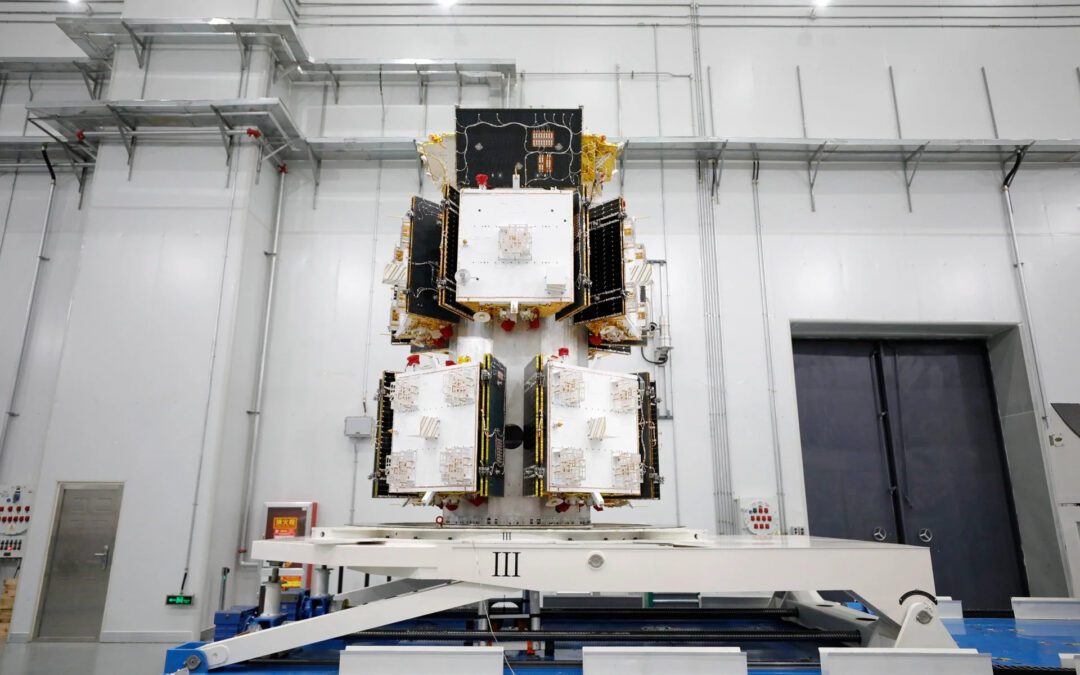
by Nikos Chatzis | 21 Aug, 2026 | Industry 4.0, Internet of Things (IoT), The Techne–Phronesis Negotiation Framework™
This essay examines China’s decision to authorize Zhejiang Geespace Technology to conduct commercial satellite-IoT trials. Using TPNF, it argues that satellite IoT should be interpreted not merely as communications infrastructure but as an emerging connectivity architecture connecting physical assets with digital intelligence.
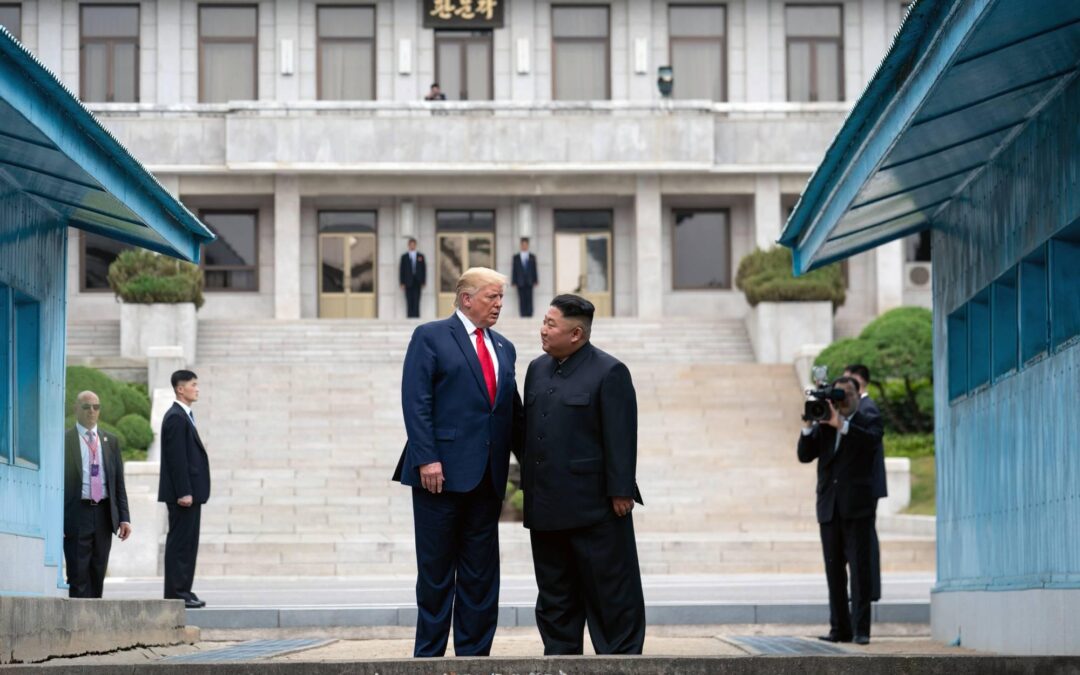
by Nikos Chatzis | 21 Aug, 2026 | Geopolitics, The Techne–Phronesis Negotiation Framework™
This essay uses the Techne–Phronesis Negotiation Framework™ (TPNF) to examine President Donald Trump’s attempt to reopen dialogue with Kim Jong Un while the U.S. remains trapped in a prolonged confrontation with Iran.
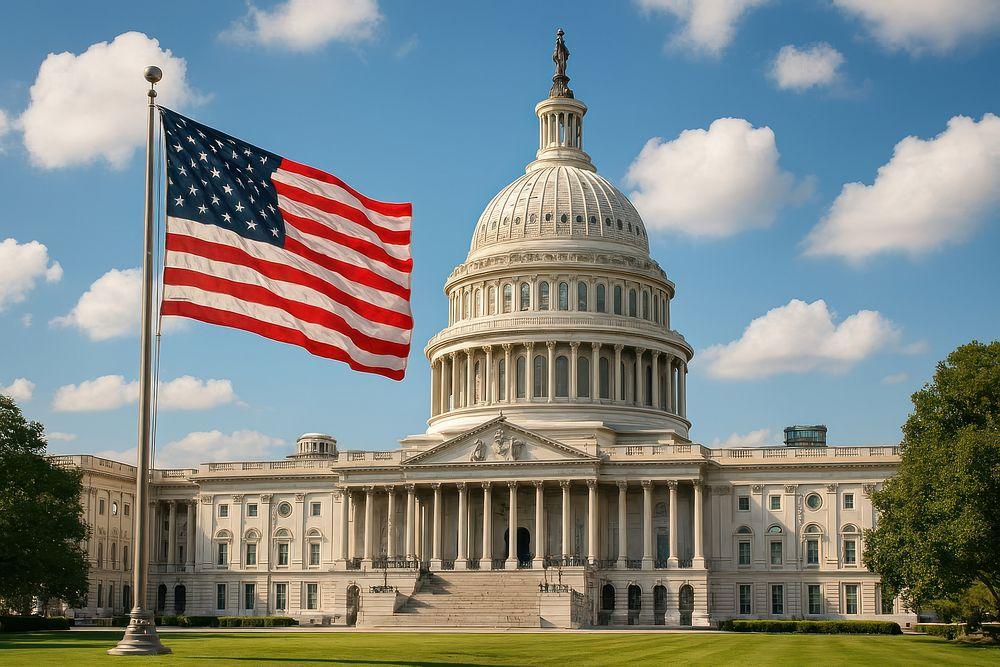
by Nikos Chatzis | 20 Aug, 2026 | Geopolitics, The Techne–Phronesis Negotiation Framework™, US Politics
This essay examines the emerging political influence of crypto, AI and betting industries against the electoral consequences of the Iran conflict. Its purpose is to demonstrate how TPNF can distinguish between financial capability, technological capability, geopolitical disruption, institutional influence and actual public power.