
by Nikos Chatzis | 19 Aug, 2026 | Geopolitics, The Techne–Phronesis Negotiation Framework™, War
The purpose of this essay is to analyze the geopolitical implications of Iran’s reported consideration of attacks against U.S. military targets in Europe. Using TPNF, it examines the possible transition from regional escalation toward cross-ecosystem conflict, particularly through the interaction of U.S. military infrastructure, European security, NATO, Mediterranean geography, critical infrastructure and Iran’s strategy of raising the costs of American military action.
by Nikos Chatzis | 14 Aug, 2026 | Military UAS Technology, The Techne–Phronesis Negotiation Framework™, War Drones
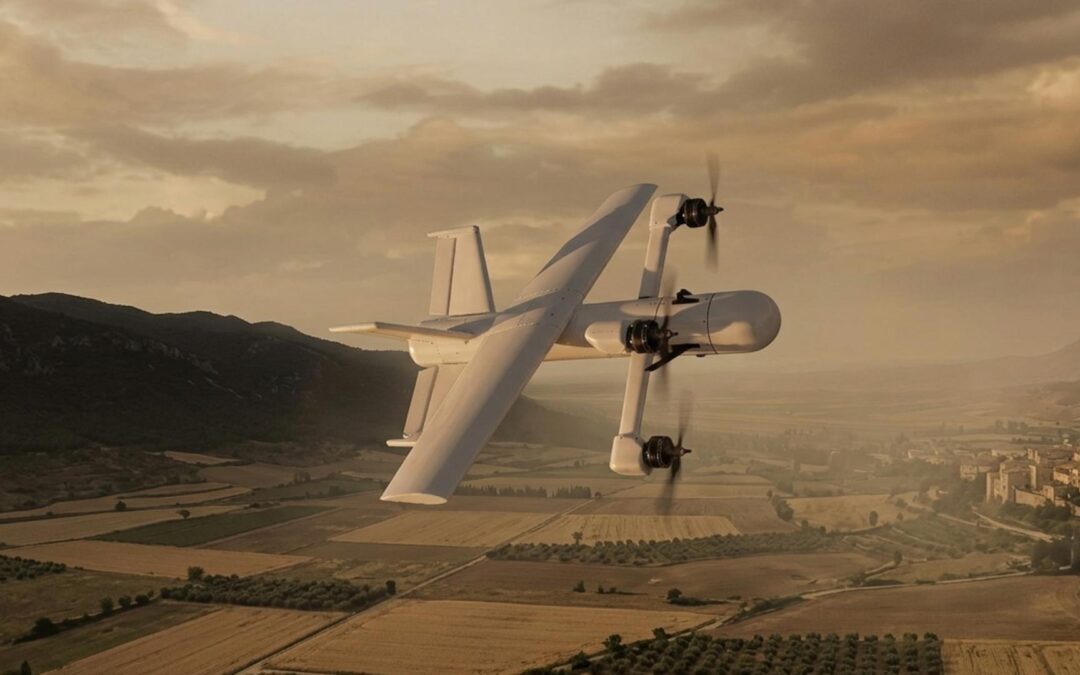
The purpose of this essay is to analyze MORFIUS through TPNF as an emerging example of airborne directed-energy counter-swarm capability. The essay examines how drone swarms are changing the economics of air defense; why reusable HPM systems may offer an alternative to conventional one-target/one-interceptor models; and how autonomous platforms, electronic effects, command networks and layered defense increasingly form integrated technological ecosystems.

by Nikos Chatzis | 14 Aug, 2026 | Platform Ecosystems, Strategic Adaptation, The Techne–Phronesis Negotiation Framework™
The purpose of this essay is to analyze Microsoft’s changing China strategy through the TPNF and explain what it reveals about the future relationship between technology, geopolitics and global business. The essay argues that the emerging U.S.–China technological order should not be interpreted exclusively through the binary concept of decoupling versus globalization. Instead, corporations increasingly need to negotiate where to withdraw, where to remain connected, which dependencies to reduce and which ecosystem relationships continue creating strategic value. Microsoft provides an important contemporary example of this emerging model.
by Nikos Chatzis | 13 Aug, 2026 | Drone Economy, Drone Training, Technology Ecosystems, Technology Evolution, The Techne–Phronesis Negotiation Framework™
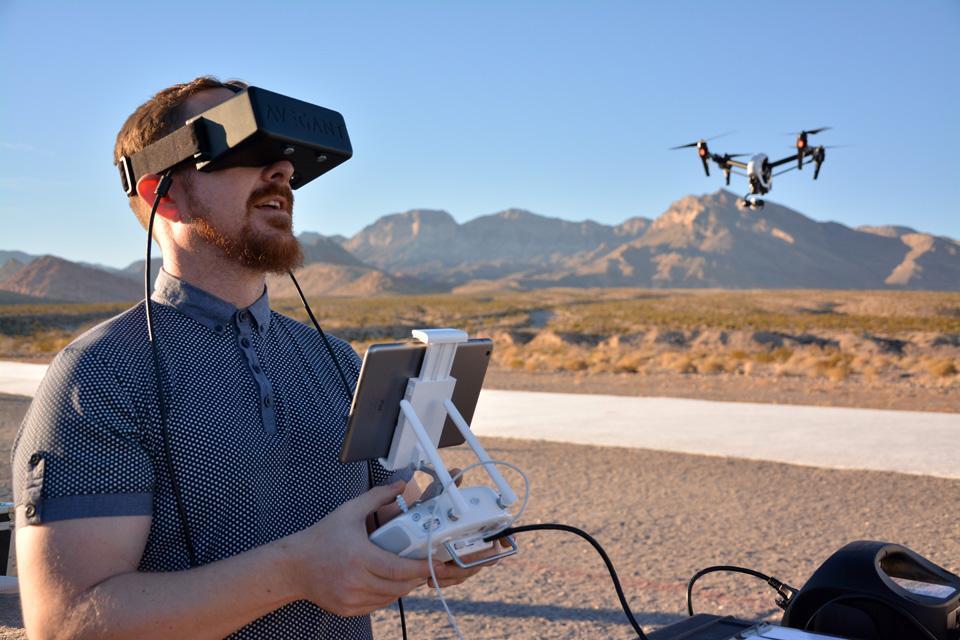
The purpose of this essay is to examine the competencies, educational philosophy and strategic role required of the Drone Instructor of 2035. Using TPNF, it explores how instructors will need to negotiate three continuously evolving dimensions: Technology ↔ Regulation ↔ Human Capability
by Nikos Chatzis | 13 Aug, 2026 | Drone Economy, drone ecosystems, Drone Training, The Techne–Phronesis Negotiation Framework™
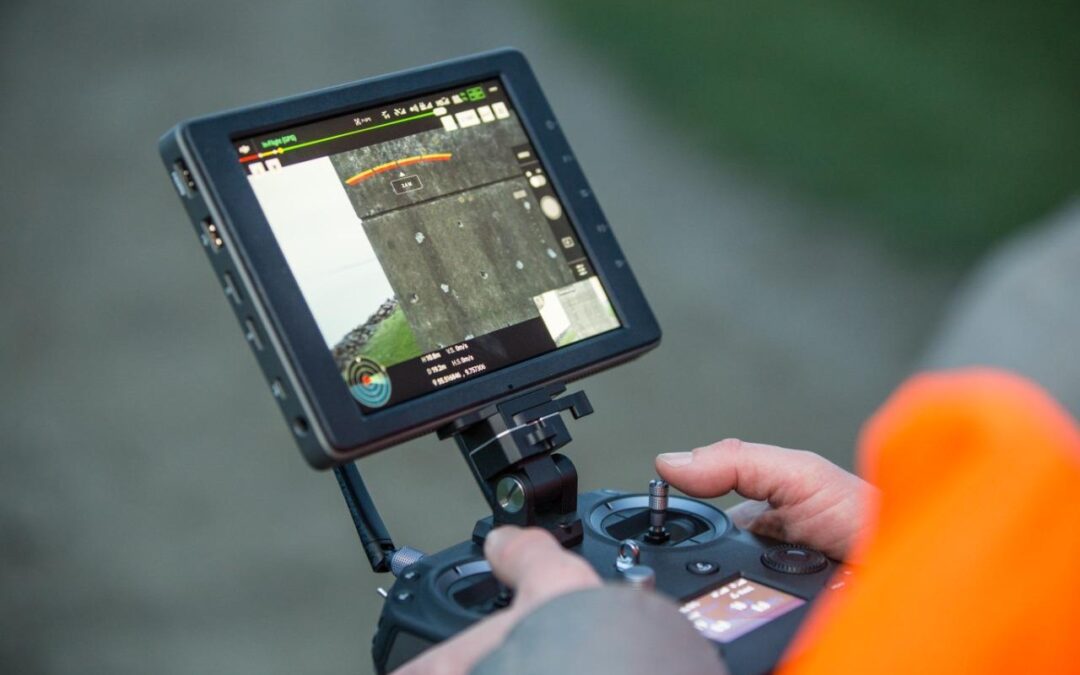
The purpose of this essay is to examine how innovative drone training can become a source of comparative advantage and sustainable future value creation within the rapidly evolving UAS ecosystem. Using the Techne–Phronesis Negotiation Framework™ (TPNF), the essay moves beyond the conventional understanding of drone education as a certification process and evaluates training as a strategic capability-development ecosystem.