
by Nikos Chatzis | 25 Aug, 2026 | Geopolitics, The Techne–Phronesis Negotiation Framework™, War
This essay examines the latest Reuters/Ipsos polling through the TPNF lens and asks how Tehran may interpret declining American support for the Iran war. Its purpose is not to suggest that opinion polls determine military strategy. Rather, it examines public opinion as one component within a wider strategic ecosystem connecting war, energy prices, economic pressure, elections, political legitimacy and negotiation.

by Nikos Chatzis | 24 Aug, 2026 | Economic Sanctions, Geopolitics, The Techne–Phronesis Negotiation Framework™, War
This essay through TPNF examines Iran’s principal options for responding to Washington’s intensified economic campaign and evaluates their wider geopolitical consequences.
It argues that Tehran’s strategic response is likely to depend less upon symmetrical retaliation against American economic power than upon asymmetric escalation across interconnected systems—particularly energy, maritime transportation, Gulf infrastructure, regional security and cyber networks.

by Nikos Chatzis | 24 Aug, 2026 | Strategic Analysis, Strategic Governance, Strategic Leadership, Strategic Management, Strategic Negotiation, Technological Civilization, Technology Ecosystems, Technology Transfer, The Techne–Phronesis Negotiation Framework™, Value Creation
This essay explores one of the foundational questions of TPNF: What makes strategic value last?
Its purpose is to distinguish temporary advantage from sustainable strategic value and explain why long-term value increasingly depends upon adaptability, ecosystem relationships, institutional legitimacy, learning and practical wisdom.
by Nikos Chatzis | 24 Aug, 2026 | Geopolitics, The Techne–Phronesis Negotiation Framework™
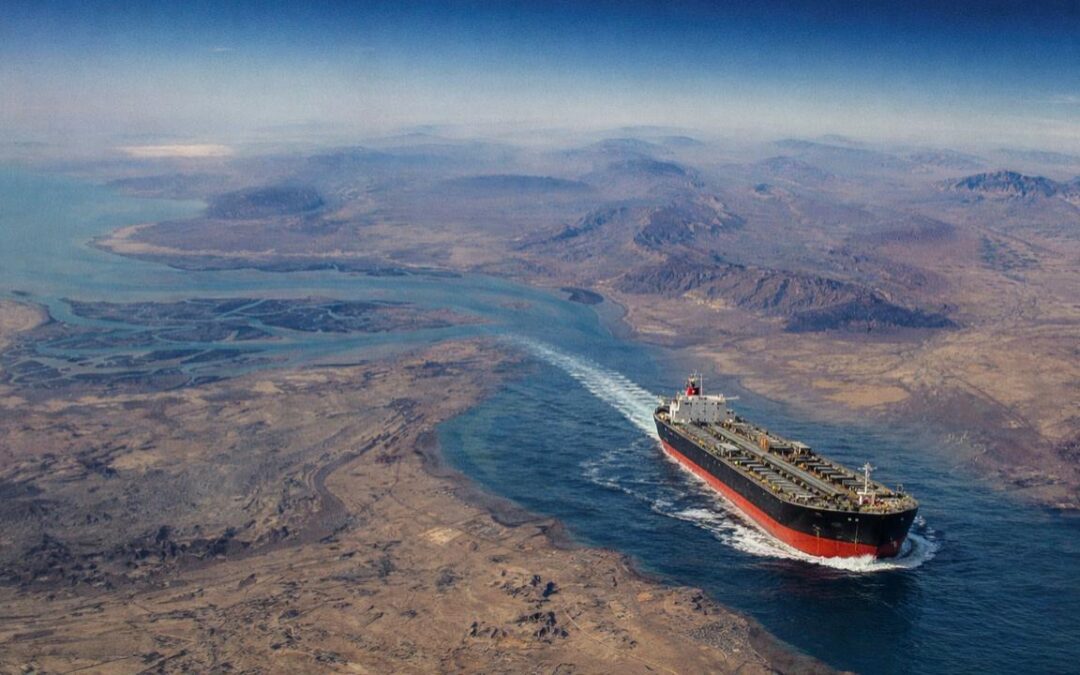
This essay examines the geopolitical significance of Washington’s threatened “Economic D-Day” against Iran and the simultaneous decline in international oil prices. Using TPNF, it explores economic warfare, energy markets, the Strait of Hormuz, coercive diplomacy and the relationship between geopolitical events and market expectations.
by Nikos Chatzis | 23 Aug, 2026 | Robotics, Technology Ecosystems, Technology Evolution, Technology Geopolitics, The Techne–Phronesis Negotiation Framework™
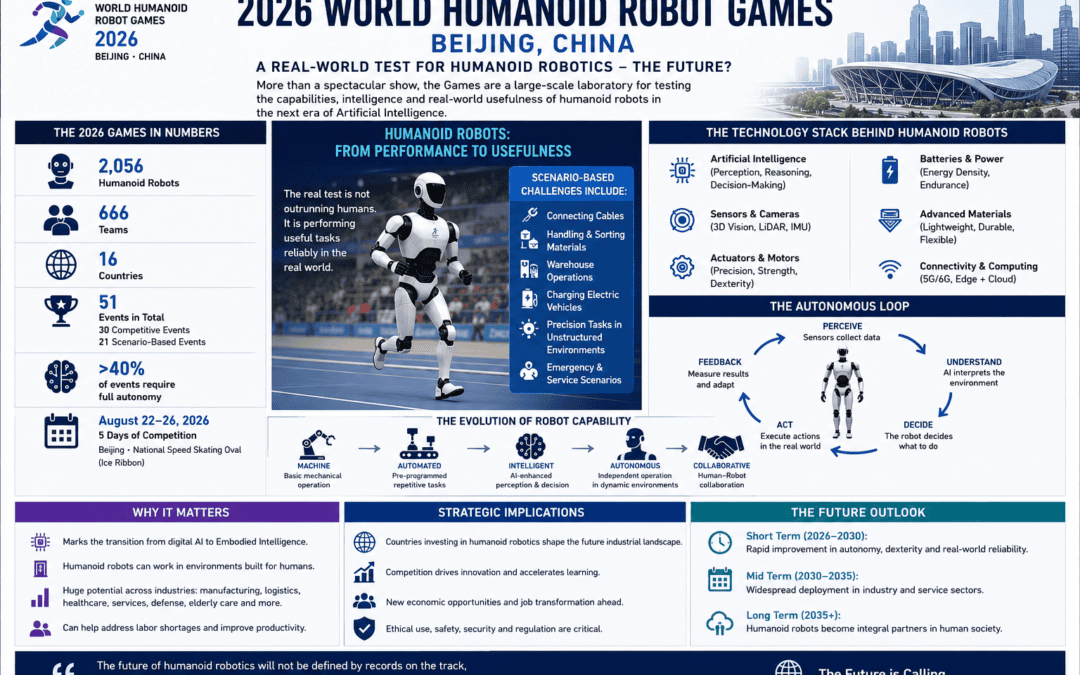
This essay examines the five-day 2026 World Humanoid Robot Games as a real-world testing laboratory for humanoid robotics. Using TPNF, it explores the convergence of artificial intelligence, robotics, sensors, autonomous decision-making, manufacturing and human–machine collaboration, while asking a larger question: Are we approaching the transition from the Information Age toward the age of Physical AI?