Negotiation.gr | Strategic Wisdom for the Technological Age
“Strategic resilience emerges when technical capability (techne) is
continuously guided by practical wisdom (phronesis) through adaptive
negotiation across interconnected systems.”
Central Idea
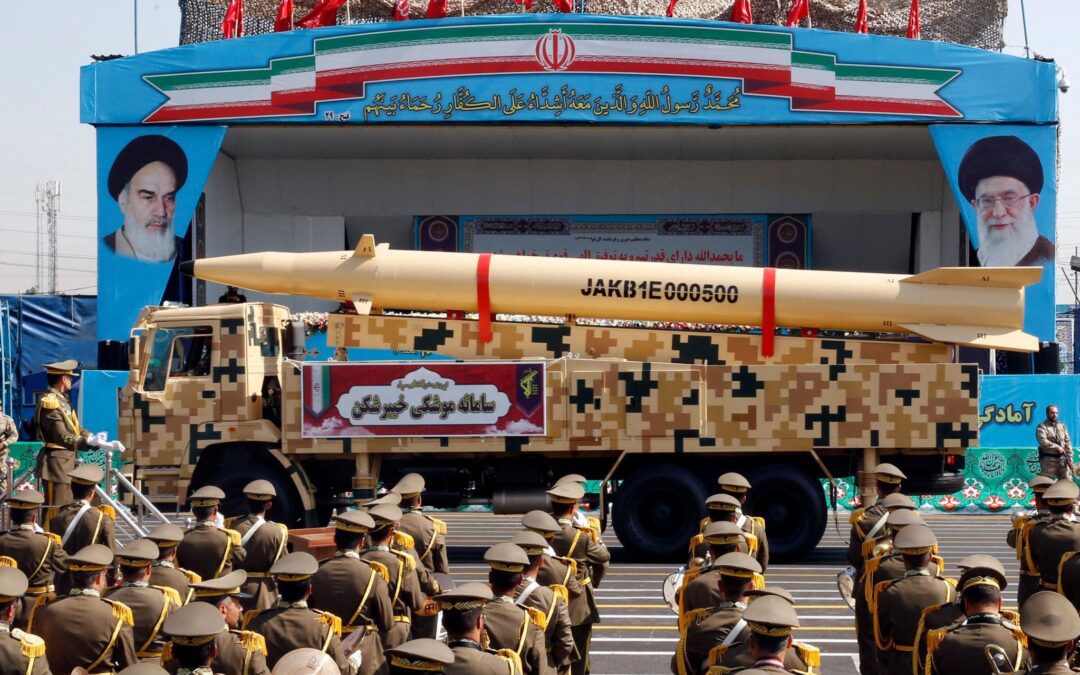
Iran’s missile program has become one of the central elements of its national defense and regional deterrence strategy. Beyond its military dimension, it influences diplomacy, regional security, energy markets, maritime trade, alliance relationships, technological competition, and strategic decision-making across the Gulf, the Middle East, and Europe. The Techne–Phronesis Negotiation Framework™ (TPNF) argues that the geopolitical significance of Iran’s missile capabilities should be understood within a broader strategic ecosystem where technology, deterrence, diplomacy, industrial capability, and adaptive governance continuously interact. Strategic influence therefore emerges not solely from military assets but from their integration with political, economic, technological, and institutional systems.
Purpose of the Essay
The purpose of this essay is to analyze the strategic significance of Iran’s missile program within the contemporary geopolitical environment. Rather than focusing exclusively on military capabilities, the TPNF interprets missile development as one component of a broader technological and strategic ecosystem connecting national security, diplomacy, industrial policy, regional deterrence, international negotiations, energy security, and geopolitical competition. The essay examines how these interconnected dimensions influence strategic calculations for Iran, the Arab Gulf States, Europe, and the wider international community.
Abstract
Missile capabilities have become a defining component of contemporary regional security and strategic deterrence. Iran’s missile program influences military planning, diplomatic negotiations, alliance relationships, maritime security, energy markets, and geopolitical stability throughout the Gulf and the broader Middle East. Consequently, its strategic significance extends beyond defense policy into the wider domains of economics, technology, governance, and international relations.
The Techne–Phronesis Negotiation Framework™ (TPNF) interprets these developments through an interdisciplinary perspective integrating technical capability (techne), practical wisdom (phronesis), systems thinking, strategic negotiation, and complex adaptive systems. The framework argues that strategic influence emerges through the interaction of technological capabilities with diplomatic engagement, institutional resilience, economic interdependence, and adaptive governance.
Introduction
The strategic environment of the Middle East is increasingly shaped by the interaction of military technology, diplomacy, energy security, and geopolitical competition.
Missile systems influence deterrence.
Energy infrastructure shapes economic stability.
Diplomatic negotiations affect regional cooperation.
Technology accelerates defense modernization.
International alliances influence strategic balance.
These interconnected dynamics demonstrate that regional security is best understood as a complex strategic ecosystem.
Iran’s Missile Program Within a Strategic Ecosystem
The TPNF interprets Iran’s missile program as one element within a broader network of interconnected systems.
These include:
Defense technology.
Industrial capability.
Strategic deterrence.
Regional diplomacy.
Energy security.
Maritime logistics.
Economic resilience.
International negotiations.
Together these dimensions shape strategic behavior throughout the region.
Regional Perspectives
Iran
For Iran, missile capabilities contribute to deterrence, national defense planning, strategic signaling, and negotiations with external actors.
Arab Gulf States
For Gulf countries, these capabilities influence defense planning, regional cooperation, investment in air and missile defense, and infrastructure resilience.
Europe
European governments monitor developments because they affect regional stability, maritime trade, energy security, migration risks, and broader security policy.
United States
The United States considers missile developments within a wider framework of alliance commitments, regional deterrence, maritime security, and freedom of navigation.
The Four Pillars of the TPNF
Techne develops technological capability, engineering competence, defense innovation, intelligence systems, and operational effectiveness.
Phronesis provides prudent leadership, strategic judgment, contextual awareness, and responsible decision-making.
Systems Thinking explains the interaction of military, economic, technological, diplomatic, and institutional dimensions.
Strategic Negotiation coordinates deterrence, diplomacy, alliance management, crisis communication, and regional cooperation.
Together these dimensions explain how technological capabilities influence broader geopolitical ecosystems.
Networked Strategic Resilience
Regional stability increasingly depends upon resilient networks rather than isolated capabilities.
Governments.
Defense institutions.
Energy infrastructure.
Financial markets.
Technology industries.
International organizations.
Diplomatic partnerships.
The resilience of these interconnected systems ultimately determines long-term regional stability.
Strategic Implications
Governments should strengthen diplomatic dialogue alongside credible defense capabilities.
Regional organizations should expand confidence-building measures that reduce escalation risks.
Technology and innovation should support resilience in critical infrastructure and early-warning systems.
Strategic leaders should integrate military planning with diplomacy, economic policy, and technological governance.
Iran’s missile program represents an important component of the evolving strategic landscape of the Gulf and the wider Middle East.
The Techne–Phronesis Negotiation Framework™ (TPNF) demonstrates that its significance cannot be understood solely through military analysis.
Instead, its geopolitical impact emerges through the interaction of technology, diplomacy, deterrence, governance, economics, and regional security operating within interconnected strategic ecosystems.
The future of regional stability will therefore depend not only upon technological capabilities, but upon the capacity of governments and institutions to combine technical capability (techne) with practical wisdom (phronesis), adaptive governance, and sustained strategic negotiation.
Source: Open Sources Analysis, Relative Data Analysis by Nikos Chatzis
© Nikolaos Chatzis. All Rights Reserved.
The Techne–Phronesis Negotiation Framework™
An Integrative Theory of Strategic Negotiation, Complex Adaptive Systems & Practical Wisdom
Technology Creates Capability • Systems Thinking Creates Understanding • Strategic Wisdom Creates Lasting Value.
Negotiation.gr | Strategic Wisdom for the Technological Age