by Nikos Chatzis | 9 Sep, 2026 | Geopolitics, The Techne–Phronesis Negotiation Framework™
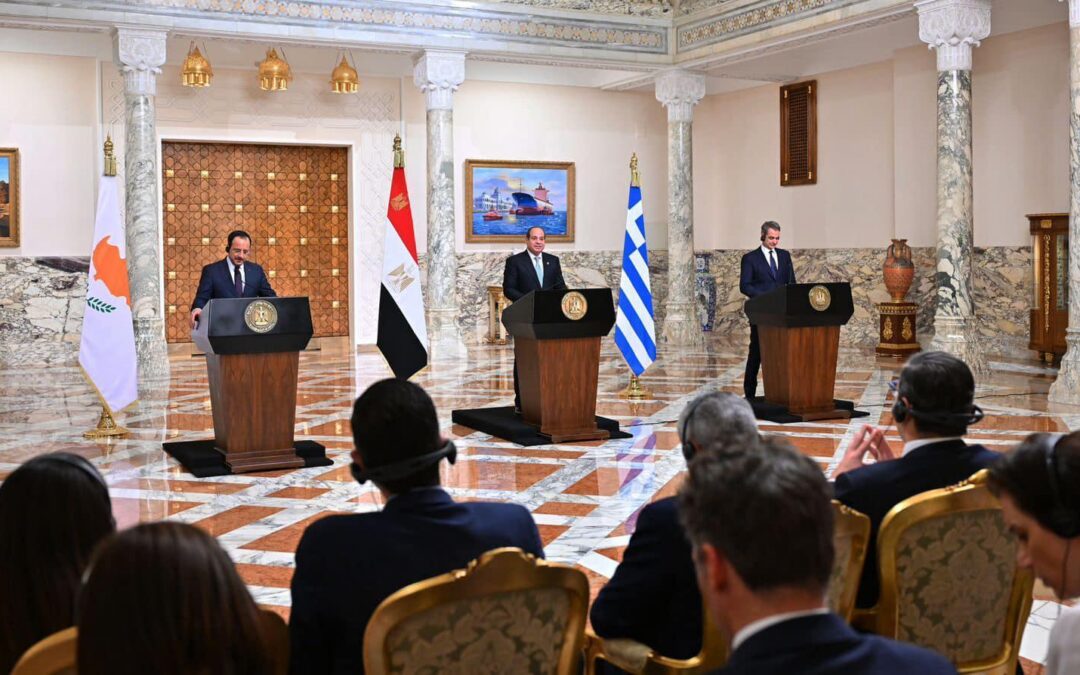
This TPNF essay examines the geopolitical significance of Greece–Cyprus–Egypt cooperation as the U.S.–Iran confrontation expands geographically. It asks how an established regional partnership can contribute to security, energy resilience, diplomatic coordination and crisis management without becoming another mechanism of escalation. The deeper question is: Can regional cooperation create strategic stability precisely because it is designed to connect rather than divide?

by Nikos Chatzis | 7 Sep, 2026 | Geopolitics, The Techne–Phronesis Negotiation Framework™, US Politics
This TPNF essay examines whether the 2026 midterms should primarily be interpreted as a referendum on Donald Trump or as a broader contest over congressional representation and governance. It also examines what a Democratic House victory could mean strategically for the remaining two years of Trump’s presidency. The purpose is not to predict the election result. It is to understand how presidential power, voter dissatisfaction, congressional competition and institutional checks interact within the American political ecosystem.
by Nikos Chatzis | 2 Sep, 2026 | Geopolitics, The Techne–Phronesis Negotiation Framework™, War
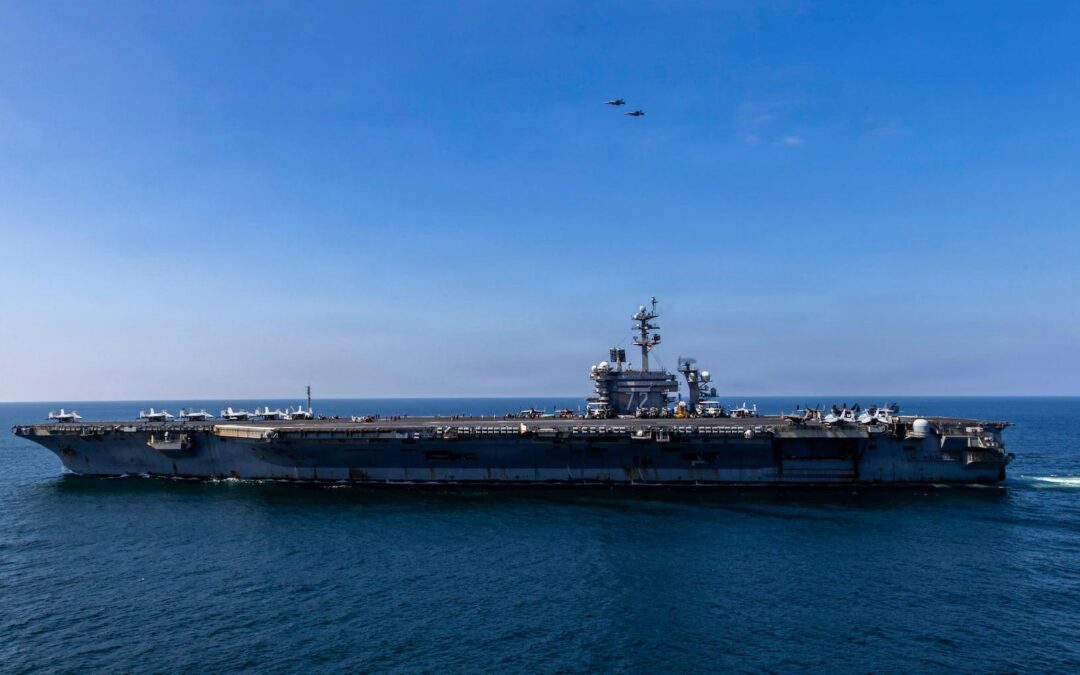
This essay examines the extraordinary deployment of the USS Abraham Lincoln as a case study in military operational sustainability. Through TPNF, the deeper question becomes: How should military leadership balance immediate mission requirements against the long-term preservation of people, platforms and future combat readiness?

by Nikos Chatzis | 1 Sep, 2026 | Geopolitics, The Techne–Phronesis Negotiation Framework™, War
This essay examines the geopolitical significance of Xi Jinping’s arrival in Egypt as renewed U.S.–Iran hostilities intensify around the Strait of Hormuz. Through TPNF, it analyzes the contrast between military power projection and ecosystem-building influence, Egypt’s pursuit of strategic autonomy, China’s expanding Middle Eastern role, and the broader transition toward a more complex regional order.
by Nikos Chatzis | 29 Aug, 2026 | Geopolitics, The Techne–Phronesis Negotiation Framework™
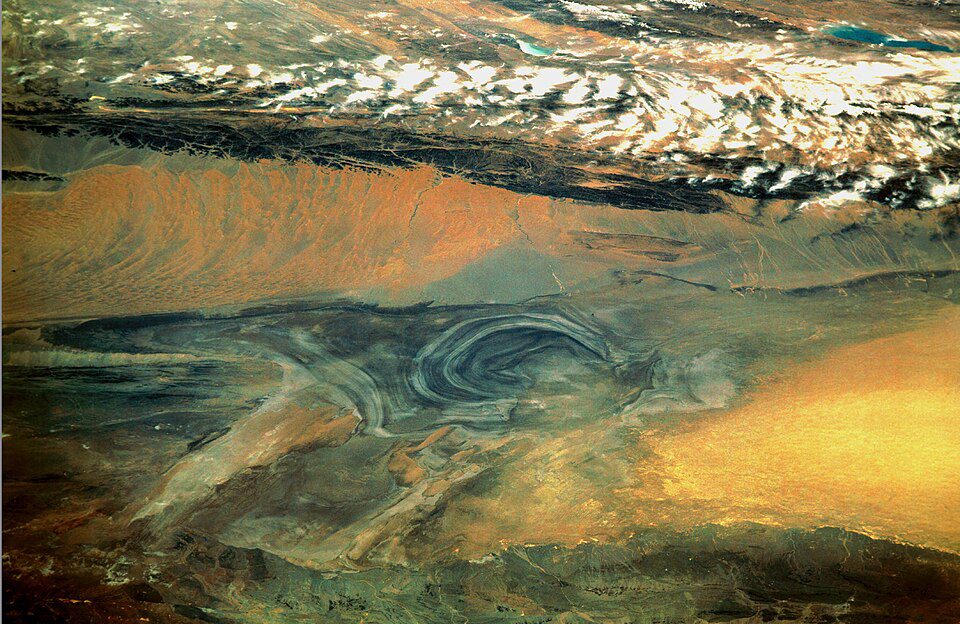
This essay through TPNF examines the accelerating expansion of China’s remote Lop Nur flight-test facility and its geopolitical implications. It focuses particularly on what the development reveals about China’s aerospace ambitions, sixth-generation combat-aircraft programs, unmanned systems, possible future strategic aircraft, military innovation infrastructure and long-term technological competition with the United States.

by Nikos Chatzis | 25 Aug, 2026 | Geopolitics, The Techne–Phronesis Negotiation Framework™, War
This essay examines the latest Reuters/Ipsos polling through the TPNF lens and asks how Tehran may interpret declining American support for the Iran war. Its purpose is not to suggest that opinion polls determine military strategy. Rather, it examines public opinion as one component within a wider strategic ecosystem connecting war, energy prices, economic pressure, elections, political legitimacy and negotiation.