by Nikos Chatzis | 4 Sep, 2026 | anti-Drone Warfare, Artificial Intelligence AI, drone ecosystems, Drone warfare, The Techne–Phronesis Negotiation Framework™, War
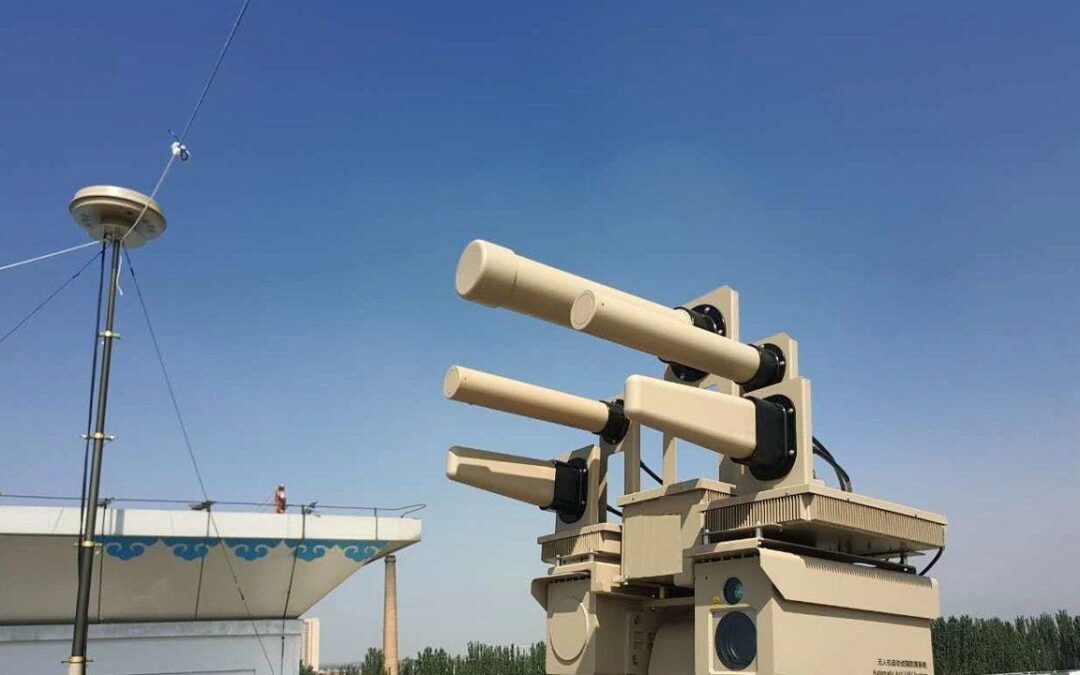
This essay examines through TPNF how AI-enabled autonomy is transforming drone warfare and consequently changing the technological requirements of drone detection and counter-UAS systems. Using Greece’s Centaurus, Telemachus and Hyperion programs, it argues that future counter-drone superiority will depend not upon one permanent technological solution, but upon the ability to continuously adapt the detection and response architecture faster than the threat evolves.

by Nikos Chatzis | 3 Sep, 2026 | Aviation Technology, The Techne–Phronesis Negotiation Framework™
This essay examines RRPF’s decision through TPNF as a case of long-term value creation through localization, ecosystem participation and aviation lifecycle services.
by Nikos Chatzis | 3 Sep, 2026 | Biotechnology, Space, The Techne–Phronesis Negotiation Framework™
This essay examines by applying TPNF the strategic roles of energy, quantum technologies, space infrastructure and biotechnology within contemporary technological civilization. Rather than treating them as separate industries, it analyzes their growing interdependence through Systems Thinking and technology convergence.

by Nikos Chatzis | 2 Sep, 2026 | Geopolitics, The Techne–Phronesis Negotiation Framework™, War
This essay examines the extraordinary deployment of the USS Abraham Lincoln as a case study in military operational sustainability. Through TPNF, the deeper question becomes: How should military leadership balance immediate mission requirements against the long-term preservation of people, platforms and future combat readiness?

by Nikos Chatzis | 2 Sep, 2026 | The Techne–Phronesis Negotiation Framework™
This essay examines the Japanese concept of Takumi through the TPNF perspective of technological evolution and long-term value creation. It explores how craftsmanship, human knowledge, manufacturing, automation and technological innovation interact within Japan’s broader tradition of monozukuri.
by Nikos Chatzis | 2 Sep, 2026 | Γεωπολιτική
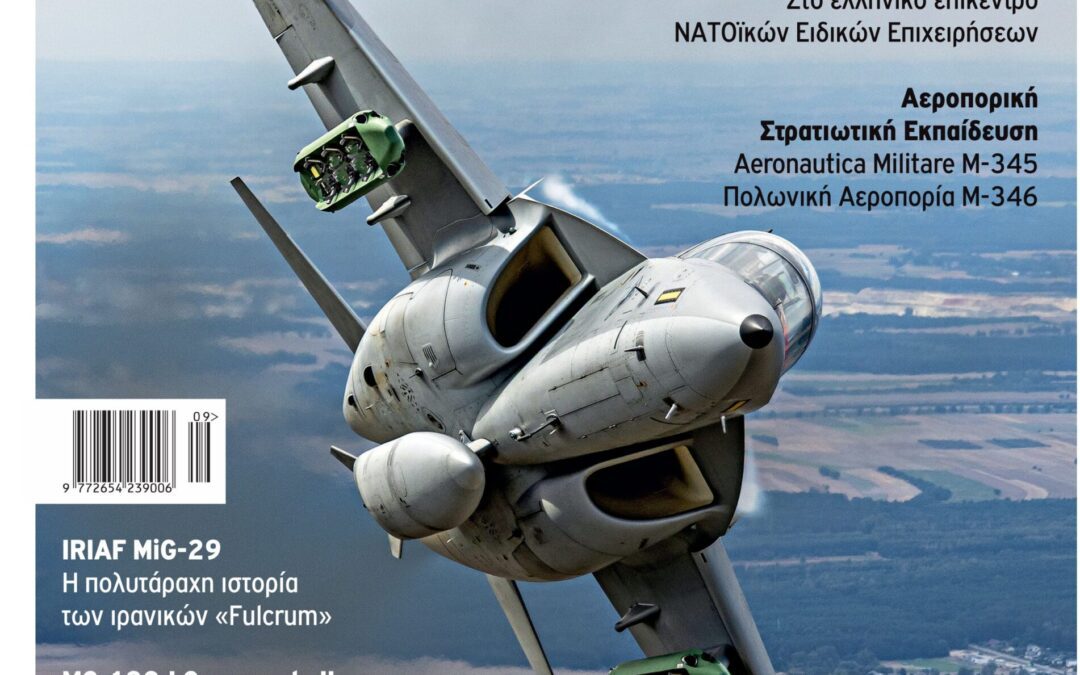
Η Τουρκία ενισχύει τη ναυτική παρουσία της στην Ανατολική Μεσόγειο μέσω Συρίας. Σε ευρύτερο σχεδιασμό εντάσσεται η κλιμάκωση των τουρκικών διεκδικήσεων στο Αιγαίο. ΠΤΗΣΗ ΣΕΠΤΕΜΒΡΙΟΣ...

by Nikos Chatzis | 1 Sep, 2026 | Geopolitics, The Techne–Phronesis Negotiation Framework™, War
This essay examines the geopolitical significance of Xi Jinping’s arrival in Egypt as renewed U.S.–Iran hostilities intensify around the Strait of Hormuz. Through TPNF, it analyzes the contrast between military power projection and ecosystem-building influence, Egypt’s pursuit of strategic autonomy, China’s expanding Middle Eastern role, and the broader transition toward a more complex regional order.

by Nikos Chatzis | 1 Sep, 2026 | Ecosystem Dynamics, Ecosystem Governance, Ecosystem Strategy, Ecosystem Thinking, The Techne–Phronesis Negotiation Framework™, Value Creation
This essay examines ecosystem collaboration as a fundamental mechanism of long-term value creation.
Through TPNF, it explores why technological convergence makes collaboration increasingly necessary, why collaboration frequently fails, how negotiation and governance enable ecosystem alignment, and how successful collaboration can generate Strategic Future Value™ and ultimately Lasting Strategic Value™.

by Nikos Chatzis | 31 Aug, 2026 | Strategic Adaptation, Strategic Analysis, strategic autonomy, Strategic Financial Ecosystems, Strategic Governance, Strategic Leadership, Strategic Management, Sustainability, Sustainable Value Creation, The Techne–Phronesis Negotiation Framework™
This essay examines one of the most fundamental problems of strategy: the conversion of power into sustainable outcomes. Through TPNF, it argues that strategic power must pass through several stages—understanding, orchestration, negotiation, conversion, stabilization and adaptation—before it can generate Lasting Strategic Value™.
by Nikos Chatzis | 31 Aug, 2026 | Space, The Techne–Phronesis Negotiation Framework™, Value Creation
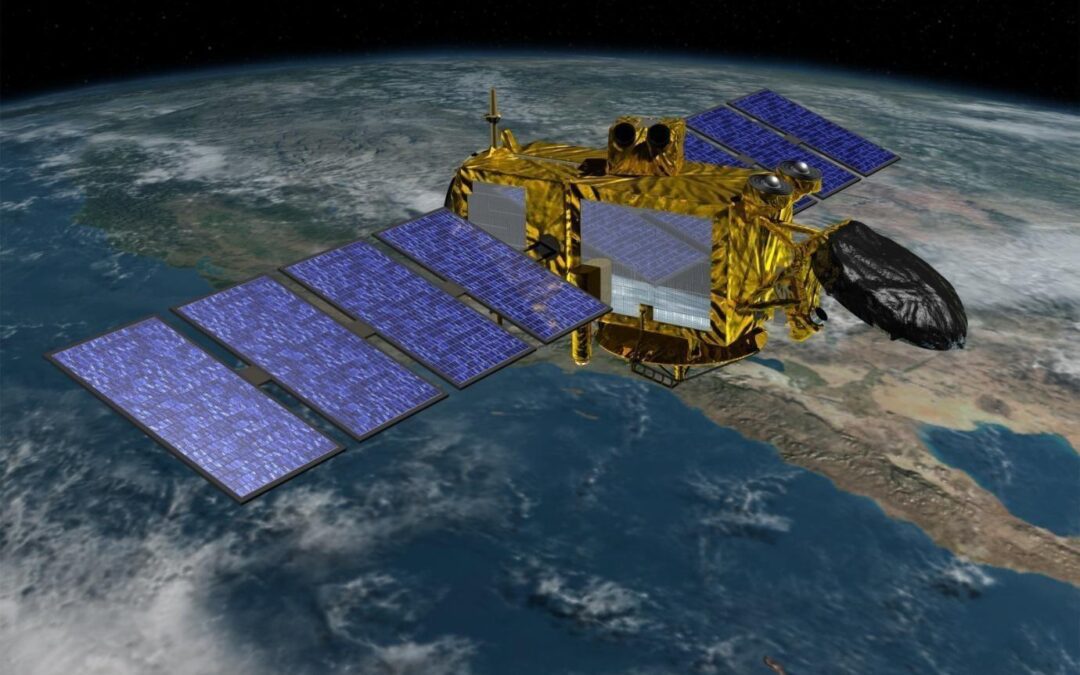
This essay examines China’s emerging space computing cloud through the TPNF perspective of long-term value creation. Its purpose is to explore the strategic transition from satellites as hardware platforms toward space infrastructure providing persistent computational services.