by Nikos Chatzis | 27 Jun, 2026 | MALE UAVs, Modern Network-Centric Warfare, Network-Centric Warfare
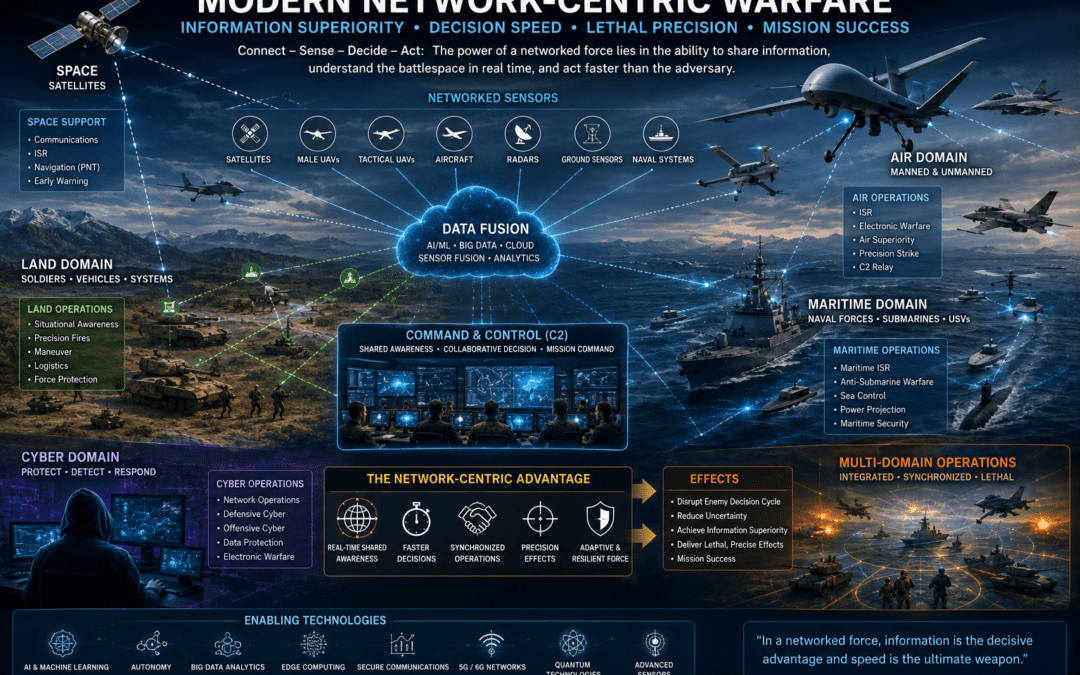
This thesis argues that the revolutionary impact of drones lies not only in their ability to fly or strike, but in their ability to compress the decision cycle, expand battlefield transparency, distribute intelligence, and integrate military operations into a real-time digital combat network.
by Nikos Chatzis | 27 Jun, 2026 | Ecosystem Governance, Strategic Negotiation, Strategic Thinking, Technology Diplomacy, Technology Ecosystems, Technology Evolution
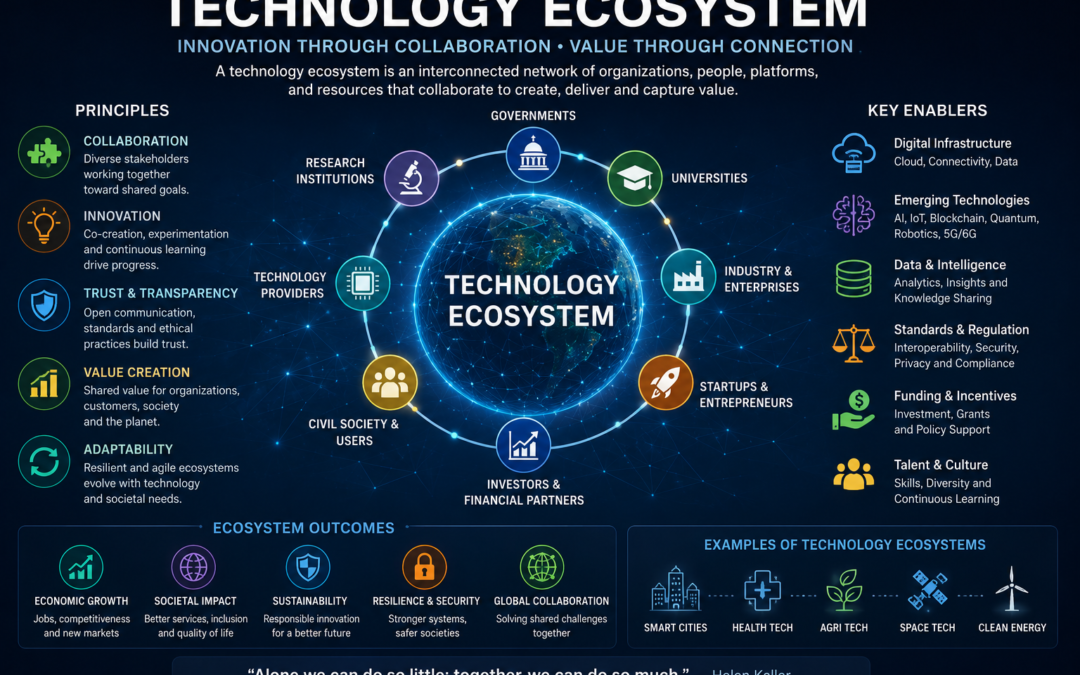
The accelerating pace of technological innovation is transforming the way organizations, governments, universities, and industries collaborate. Sustainable innovation therefore requires governance frameworks capable of aligning stakeholders, fostering collaboration, managing risk, and translating long-term objectives into daily organizational behavior.
by Nikos Chatzis | 27 Jun, 2026 | 3-D Negotiation, Geopolitics, Technology Ecosystems
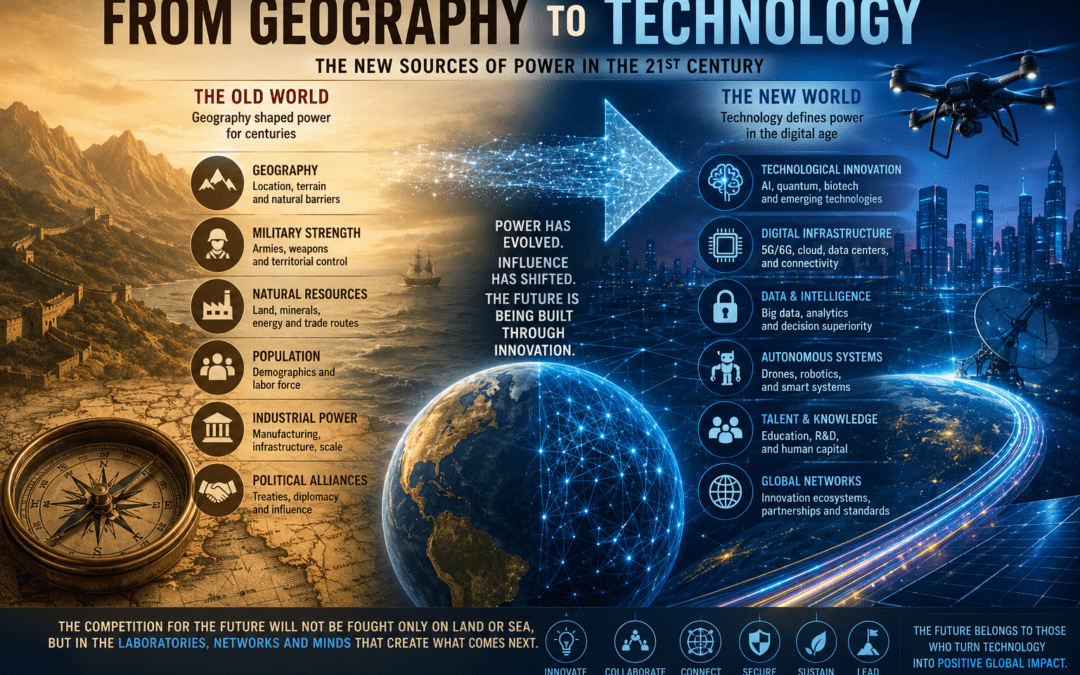
Abstract The twenty-first century is witnessing a profound transformation in the foundations of international power. While geography, military capability, natural resources, and economic strength have historically shaped international relations, technological...
by Nikos Chatzis | 27 Jun, 2026 | 3-D Negotiation, Autonomus Systems, Practical Innovation, Semiconductors, Strategic Negotiation, Supply Chains, Technology Diplomacy, Technology Evolution
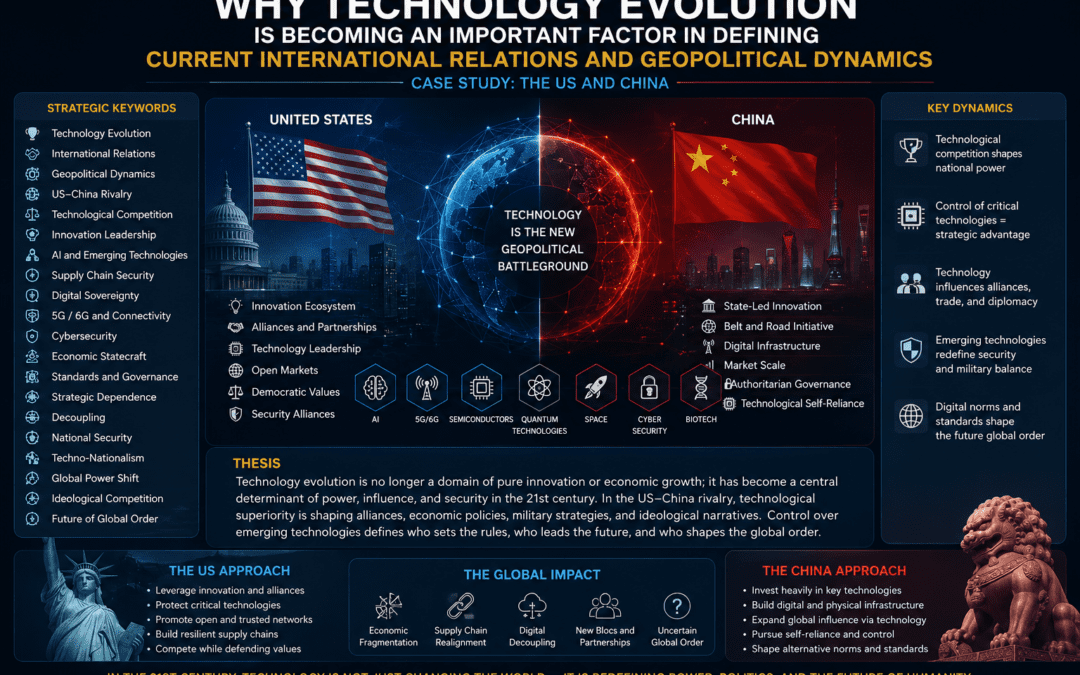
Technological innovation has become one of the defining forces shaping the international system of the twenty-first century. This thesis argues that technology evolution has fundamentally transformed the nature of international relations.

by Nikos Chatzis | 26 Jun, 2026 | 3-D Negotiation, Innovation Ecosystems, Technology Evolution
The Fourth Industrial Revolution has fundamentally transformed the way technological innovation is created, developed, and commercialized. The Technology Ecosystem 3D Negotiator by integrating strategic negotiation, technology diplomacy, stakeholder management, and ecosystem governance, this professional contributes to sustainable technological development and international cooperation.
by Nikos Chatzis | 25 Jun, 2026 | Advanced Air Mobility / Urban Air Mobility (AAM) (UAM), Artificial Intelligence, Aviation Technology, Electric Aviation, eVTOL, Geospatial Intelligence, UAVs
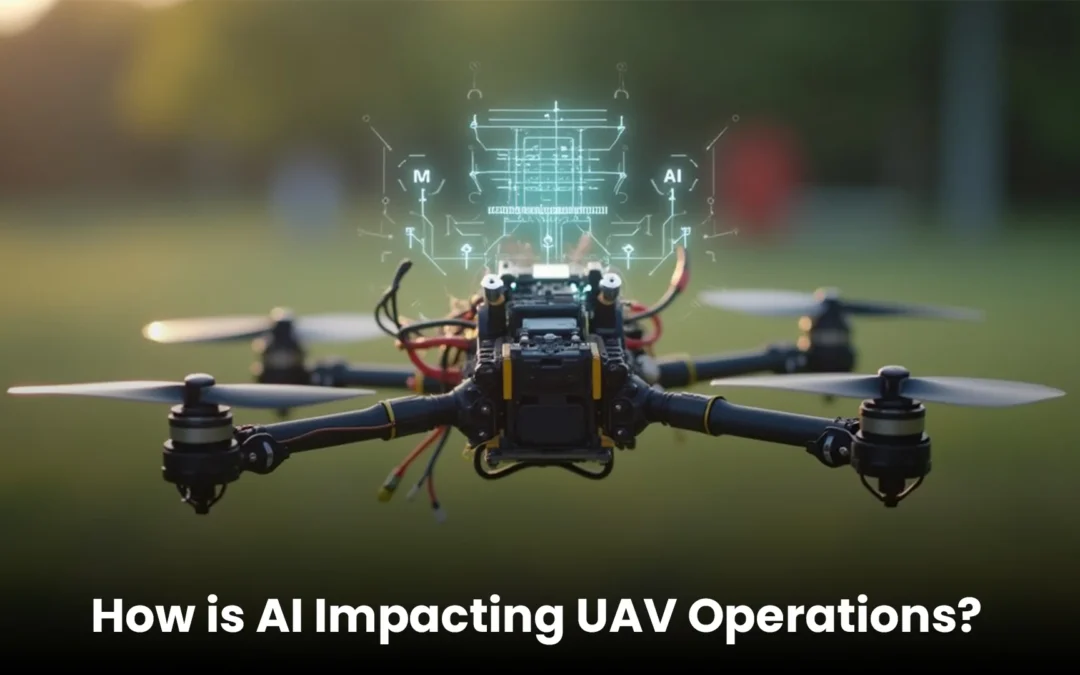
The drone industry is entering a new era of technological transformation. For more than two decades, innovation in Unmanned Aircraft Systems (UAS) focused primarily on improving hardware performance, including flight endurance, payload capacity, sensor integration, navigation systems, and communications capabilities. These advances enabled drones to become indispensable tools across a growing range of civilian and defense applications. Just as the combination of computers and the internet revolutionized the global economy, the convergence of Artificial Intelligence and drone technology is poised to redefine the future of aviation, geospatial intelligence, public safety, infrastructure management, logistics, and national defense.

by Nikos Chatzis | 24 Jun, 2026 | 3-D Negotiation, 3-D Διαπραγμάτευση, Aviation Technology, Digital Age, Drone Economy, Drones' Technology Management, eVTOL, Geopolitics, Innovation Ecosystems
The twenty-first century economy is increasingly organized around innovation ecosystems rather than isolated organizations. Emerging technologies such as artificial intelligence, unmanned aircraft systems, geospatial intelligence, advanced telecommunications, autonomous systems, and digital platforms are no longer developed within the boundaries of a single company or institution. The Technology Ecosystem 3D Negotiator is not merely a negotiator, diplomat, manager, or technology expert. Rather, this individual operates at the intersection of technology diplomacy, innovation ecosystem development, strategic negotiation, and international cooperation. Their primary mission is to design and sustain the environments in which innovation can flourish.
by Nikos Chatzis | 23 Jun, 2026 | Drones' Technology Management, Geospatial Intelligence, Innovation Ecosystems
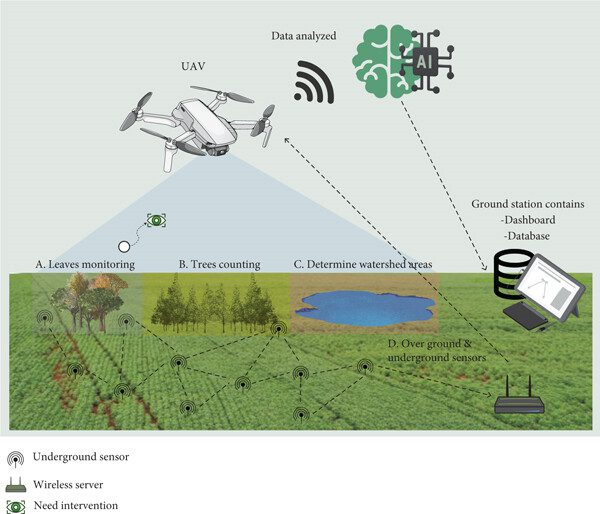
Drone technology is rapidly becoming one of the most transformative innovations of the twenty-first century. The question facing policymakers, industry leaders, and innovators is therefore not simply how to build better drones, but how to create the ecosystems that enable drone technology to maximize its contribution to economic prosperity, societal well-being, and strategic resilience.
by Nikos Chatzis | 23 Jun, 2026 | Artificial Intelligence, Aviation Technology, Electric Aircraft, Electric Aviation, eVTOL, Innovation Ecosystems, UAS Investment, UAVs
The global drone industry is experiencing a period of unprecedented transformation. Originally developed for military purposes and later expanded into commercial applications, Unmanned Aircraft Systems (UAS) have evolved into strategic technologies influencing economic development, national security, digital transformation, and international competitiveness. This thesis argues that the future success of the drone industry, in both civil and defense sectors, will depend upon the ability of governments, industries, and research communities to build integrated innovation ecosystems capable of fostering cooperation, accelerating technological advancement, and generating sustainable economic and strategic value.

by Nikos Chatzis | 22 Jun, 2026 | 3-D Negotiation, Drones' Technology Management, Innovation Ecosystems, UAVs
The accelerating pace of technological innovation is transforming the structure of modern economies and international relations. Emerging technologies such as artificial intelligence, unmanned aircraft systems (UAS), geospatial intelligence, autonomous systems, quantum computing, and digital infrastructure increasingly operate within complex innovation ecosystems involving governments, corporations, universities, regulators, investors, research institutions, and civil society. Drawing upon the principles of the Harvard 3D Negotiation Framework, technology diplomacy, innovation management, and geopolitical analysis, the study argues that future technology leaders will increasingly require the ability to design, align, and sustain collaborative ecosystems rather than merely negotiate individual transactions.