
by Nikos Chatzis | 27 Aug, 2026 | Strategic Theory, Technological Civilization, Technology Corridors, Technology Ecosystems, Technology Evolution, Technology Geopolitics, Technology Transfer, The Techne–Phronesis Negotiation Framework™, Value Creation
This essay develops an integrative TPNF interpretation of contemporary technological civilization. Its purpose is to connect technology evolution, convergence, Systems Thinking, ecosystems, negotiation, human–AI collaboration, institutional adaptation and Phronesis into a unified strategic architecture.
by Nikos Chatzis | 26 Aug, 2026 | The Techne–Phronesis Negotiation Framework™, Value Creation
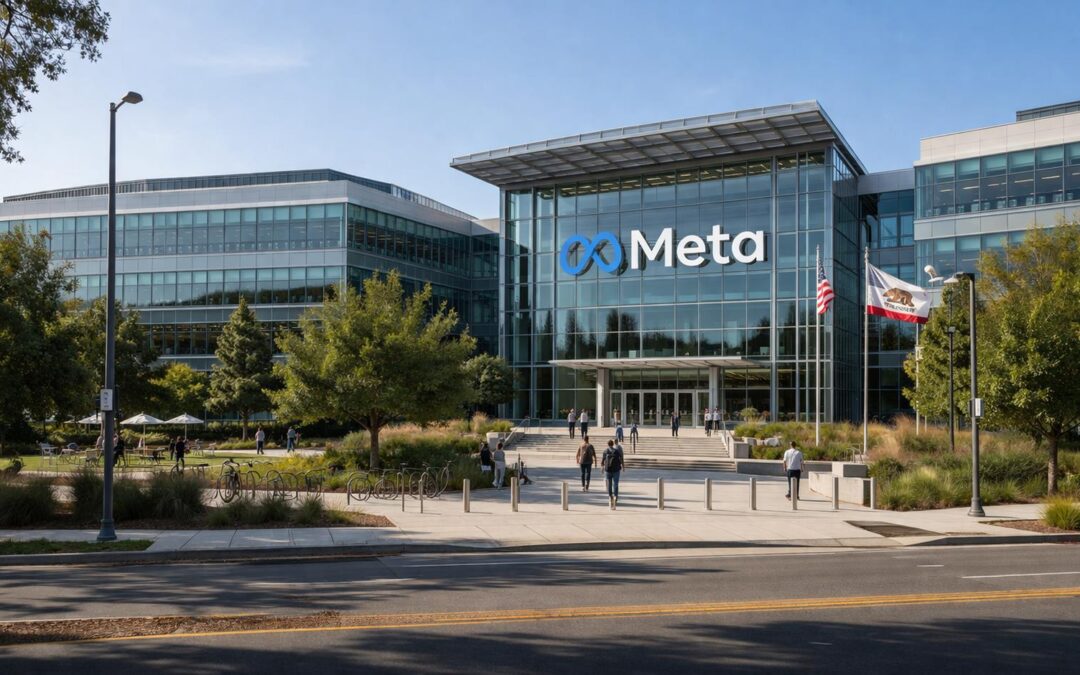
This essay examines Meta’s settlement over children’s use of social media alongside its attempt to reorganize parts of its workforce around artificial intelligence. Its purpose is not to judge Meta through either development in isolation. Instead, TPNF asks a broader strategic question relevant to every organization navigating technological transformation: How should technological capability be converted into future value without creating hidden human, institutional and systemic liabilities?

by Nikos Chatzis | 26 Aug, 2026 | Economy, Technology Ecosystems, Technology Evolution, The Techne–Phronesis Negotiation Framework™, Value Creation
This essay explains the role of technology evolution in today’s economy through the TPNF perspective.
It examines how technological progress affects productivity, industries, business models, investment, employment, ecosystems and competitive advantage while distinguishing technological invention from economically meaningful value creation.
by Nikos Chatzis | 25 Aug, 2026 | Space, The Techne–Phronesis Negotiation Framework™
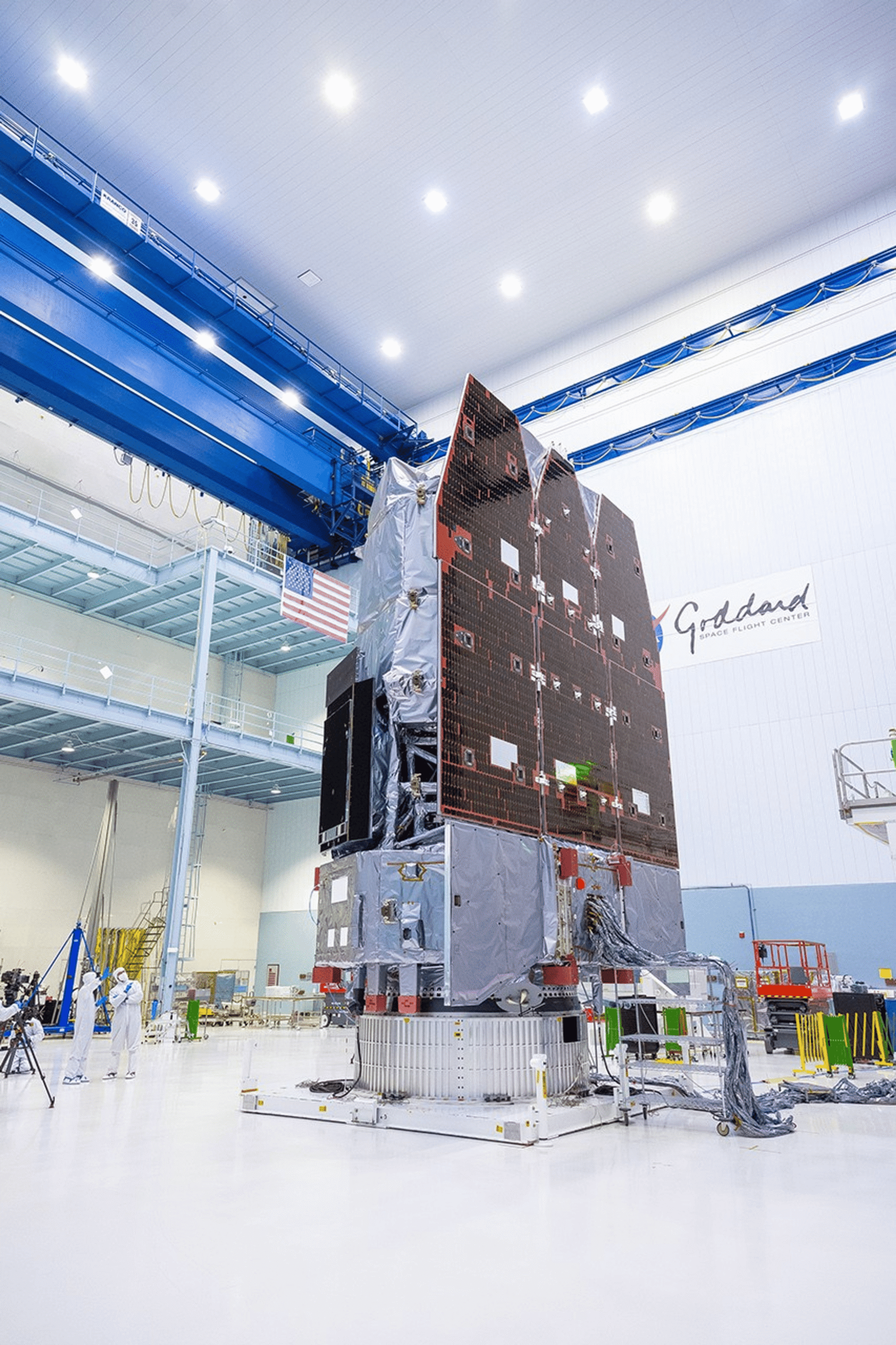
This essay examines the upcoming launch of the Nancy Grace Roman Space Telescope through the TPNF perspective of long-term value creation. Rather than treating Roman exclusively as an astronomical instrument, it considers the observatory as part of a broader Space Knowledge Ecosystem™ connecting science, technology, data, institutions, industry, international cooperation and future generations of researchers.

by Nikos Chatzis | 25 Aug, 2026 | Strategic Financial Ecosystems, Strategic Governance, Strategic Leadership, Strategic Management, Strategic Negotiation, Strategic Resilience, Strategic Theory, Strategic Thinking, Strategic Wisdom, Strategy Evolution - Business Strategy, Technological Civilization, Technology Ecosystems, Technology Evolution, Technology Geopolitics, The Techne–Phronesis Negotiation Framework™
This essay examines how strategic decision-making is changing as artificial intelligence, technological convergence, autonomous systems and complex ecosystems reshape organizations, markets and geopolitics. Its purpose is to explain how TPNF can provide an integrative framework connecting technological capability, systems understanding, human judgment, negotiation and adaptive learning.