
by Nikos Chatzis | 30 Aug, 2026 | Defense & Security, The Techne–Phronesis Negotiation Framework™
This essay examines the emerging Defence, Security and Resilience Bank through the TPNF perspective of long-term value creation. The objective is to explore whether innovative multilateral financing can strengthen not only defence expenditure but also technological innovation, industrial capacity, supply-chain resilience, interoperability and the strategic autonomy of participating states.

by Nikos Chatzis | 30 Aug, 2026 | Strategic Theory, Strategic Thinking, Systems Thinking, The Techne–Phronesis Negotiation Framework™
This essay examines the transition of TPNF from conceptual integration toward systematic theoretical testing. Its purpose is not to abandon theoretical development. Strong concepts remain essential.
Rather, the objective is to introduce a second stage: Concept → Proposition → Observation → Comparison → Testing → Refinement → Stronger Theory.

by Nikos Chatzis | 29 Aug, 2026 | Geopolitics, The Techne–Phronesis Negotiation Framework™
This essay through TPNF examines the accelerating expansion of China’s remote Lop Nur flight-test facility and its geopolitical implications. It focuses particularly on what the development reveals about China’s aerospace ambitions, sixth-generation combat-aircraft programs, unmanned systems, possible future strategic aircraft, military innovation infrastructure and long-term technological competition with the United States.
by Nikos Chatzis | 29 Aug, 2026 | Strategic Theory, Strategic Thinking, Strategic Wisdom, The Techne–Phronesis Negotiation Framework™
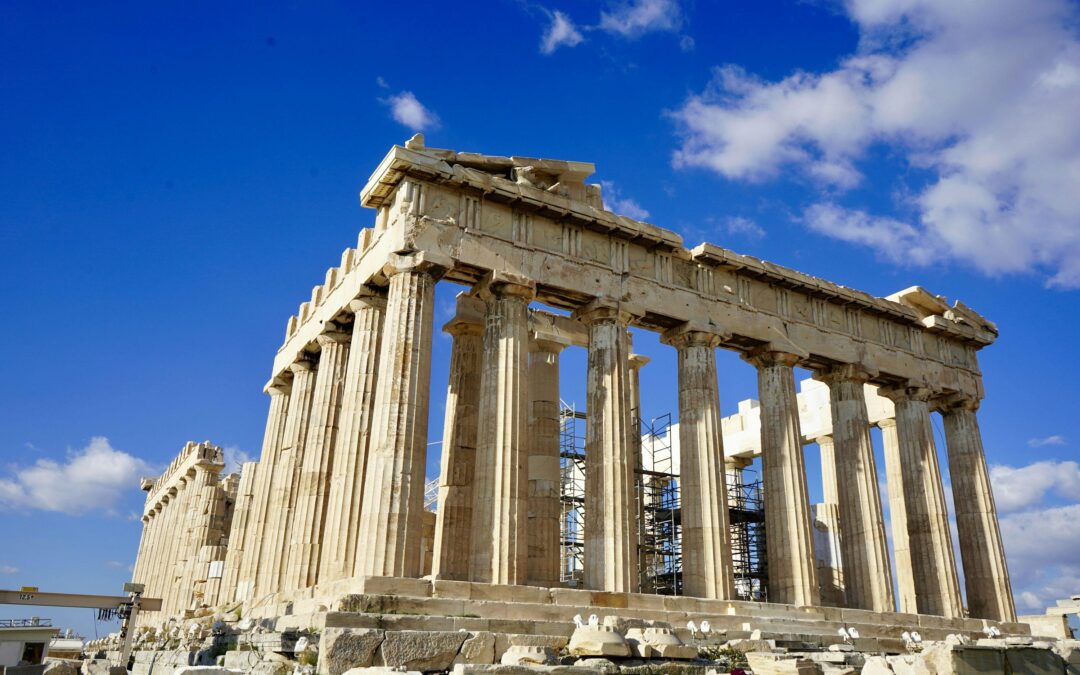
This essay by using TPNF analytical lenses explores the role of strategic thought in Ancient Greek political and daily life and examines what that intellectual tradition can contribute to strategic decision-making in contemporary technological civilization. Its purpose is not to romanticize Ancient Greece or suggest that ancient political institutions can simply be transferred into modern societies. Instead, it asks whether the Greek tradition of connecting politics, practical judgment, civic responsibility, rhetoric, strategy and human purpose offers useful intellectual foundations for navigating an age increasingly organized through technology.

by Nikos Chatzis | 27 Aug, 2026 | Strategic Theory, Technological Civilization, Technology Corridors, Technology Ecosystems, Technology Evolution, Technology Geopolitics, Technology Transfer, The Techne–Phronesis Negotiation Framework™, Value Creation
This essay develops an integrative TPNF interpretation of contemporary technological civilization. Its purpose is to connect technology evolution, convergence, Systems Thinking, ecosystems, negotiation, human–AI collaboration, institutional adaptation and Phronesis into a unified strategic architecture.
by Nikos Chatzis | 26 Aug, 2026 | The Techne–Phronesis Negotiation Framework™, Value Creation
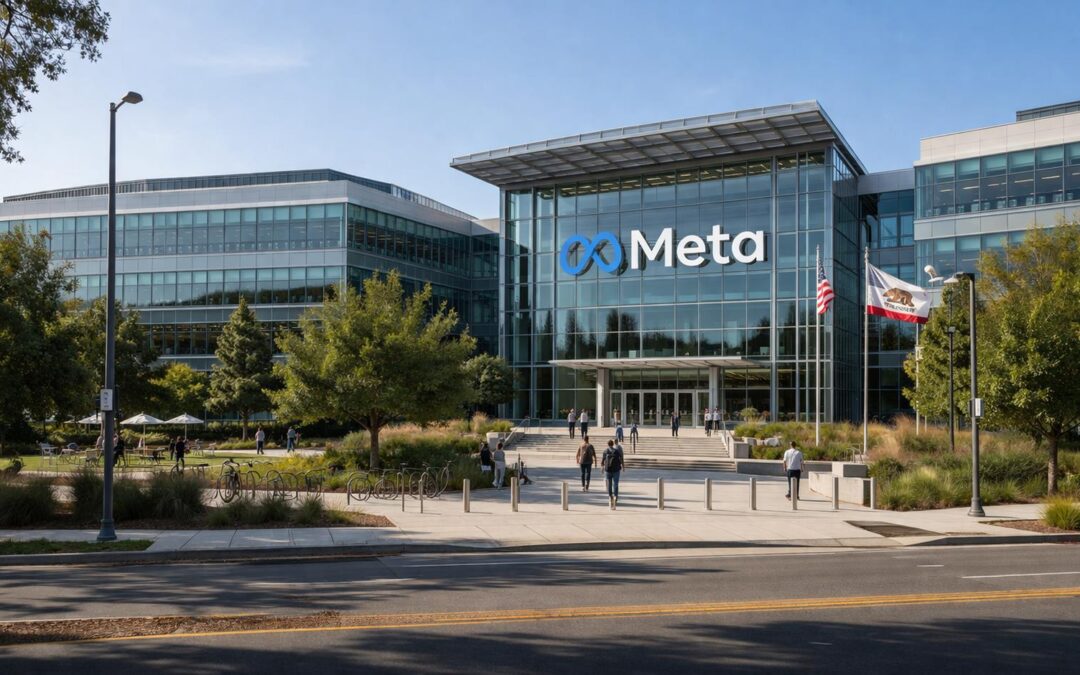
This essay examines Meta’s settlement over children’s use of social media alongside its attempt to reorganize parts of its workforce around artificial intelligence. Its purpose is not to judge Meta through either development in isolation. Instead, TPNF asks a broader strategic question relevant to every organization navigating technological transformation: How should technological capability be converted into future value without creating hidden human, institutional and systemic liabilities?