
by Nikos Chatzis | 27 Jul, 2026 | Artificial Intelligence, Comparative Advantage, The Techne–Phronesis Negotiation Framework™
This essay examines how Artificial Intelligence is reshaping comparative advantage in the contemporary global economy through the analytical perspective of the Techne–Phronesis Negotiation Framework™ (TPNF). It identifies the characteristics of future winners and losers and argues that long-term prosperity depends upon the strategic integration of technology, institutions, ecosystems, leadership, and wisdom.
by Nikos Chatzis | 27 Jul, 2026 | Geopolitics, Global Gateway, The Techne–Phronesis Negotiation Framework™
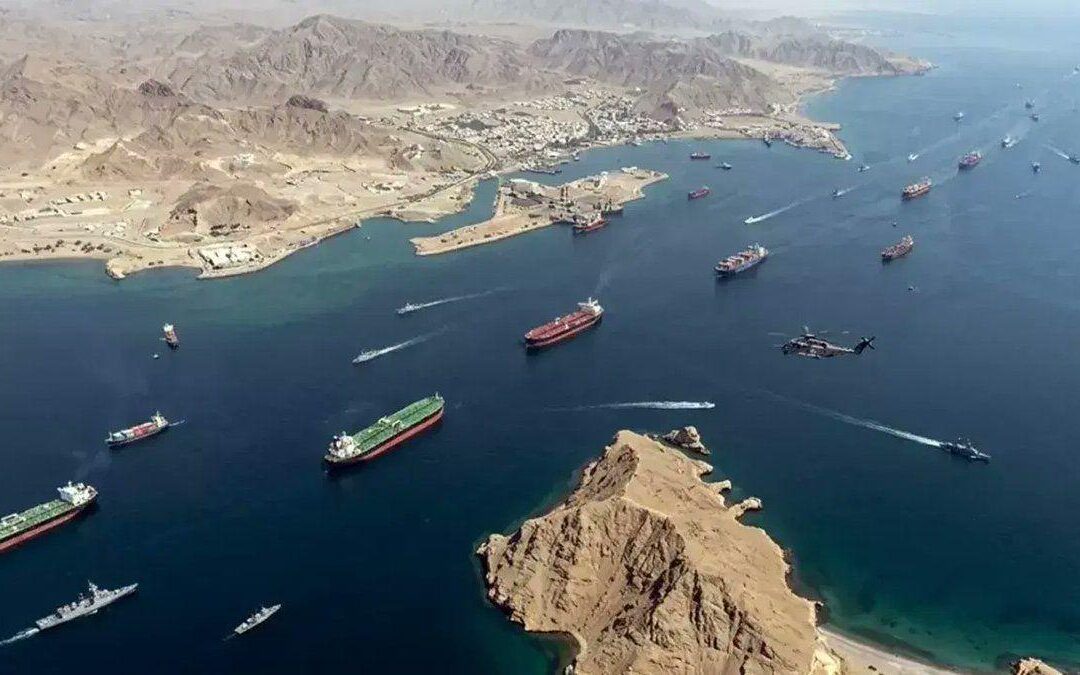
This essay applies the Techne–Phronesis Negotiation Framework™ (TPNF) to examine the regional and international geopolitical implications of Houthi attacks on Saudi oil infrastructure and the subsequent slowdown of commercial shipping through the Bab el-Mandeb Strait. It argues that this strategic maritime corridor should be understood not merely as a geographical chokepoint but as a multidimensional platform ecosystem whose disruption generates cascading effects across global energy markets, maritime logistics, regional diplomacy, and international security.

by Nikos Chatzis | 26 Jul, 2026 | Industrial Production, Technology Ecosystems, Technology Evolution, Technology Geopolitics, Technology Transfer, The New Economy, The Techne–Phronesis Negotiation Framework™
This essay applies the Techne–Phronesis Negotiation Framework™ (TPNF) to examine the contemporary challenges of AI adoption in technology and industrial production. Using China as a case study, it argues that successful AI transformation requires more than technological investment; it demands systemic integration, organizational adaptation, collaborative governance, and strategic leadership capable of creating sustainable long-term value.
by Nikos Chatzis | 26 Jul, 2026 | Blue economy, The Techne–Phronesis Negotiation Framework™
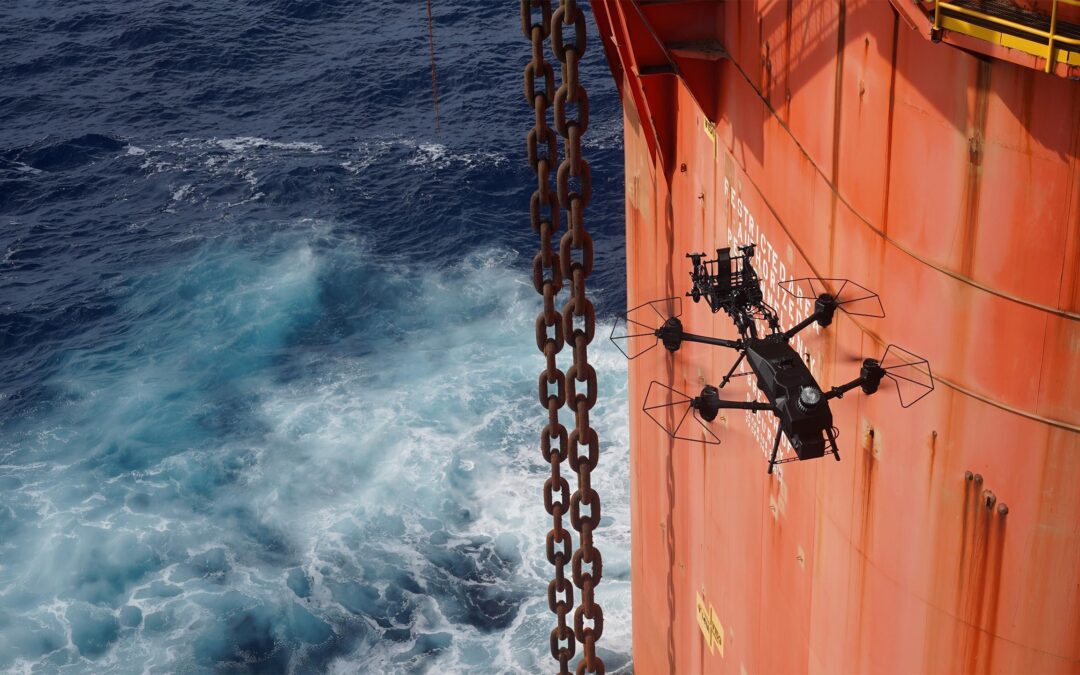
This essay demonstrates how the Techne–Phronesis Negotiation Framework™ explains the strategic challenges and opportunities emerging from the convergence of the Blue Economy and the global drone industry. Using Greece as a case study, it argues that sustainable competitive advantage will increasingly depend on integrating technological capability, systems thinking, strategic negotiation, platform ecosystems, and strategic wisdom.

by Nikos Chatzis | 24 Jul, 2026 | Geopolitics, Nuclear Energy, The Techne–Phronesis Negotiation Framework™
This essay analyzes the geopolitical implications of linking a U.S.–Saudi nuclear cooperation agreement with Saudi–Israeli normalization through the Techne–Phronesis Negotiation Framework™ (TPNF). It argues that the strategic consequences extend beyond the immediate negotiating parties, influencing regional power balances, multilevel diplomatic ecosystems, technological cooperation, energy security, and long-term strategic value creation.
by Nikos Chatzis | 23 Jul, 2026 | Drone Economy, Drone Training, Drones' Technology Management, The Techne–Phronesis Negotiation Framework™, Value Creation
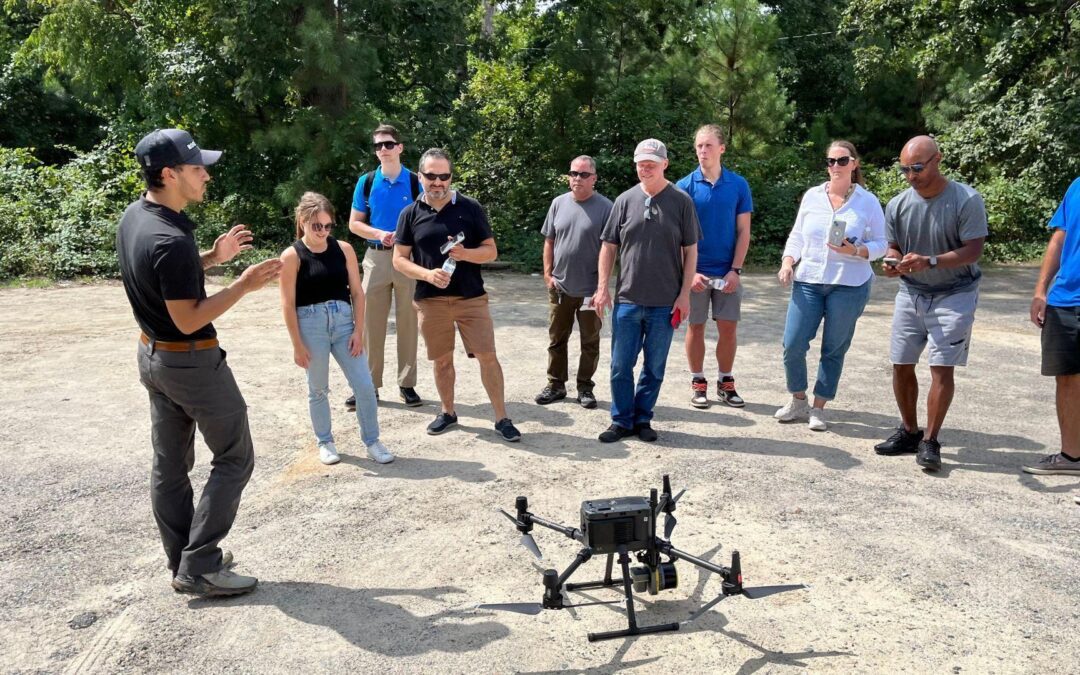
This essay examines the contemporary challenges facing drone training through the Techne–Phronesis Negotiation Framework™ (TPNF). It argues that future drone education must evolve beyond flight proficiency toward developing adaptive professionals capable of integrating technological innovation, regulatory compliance, ecosystem collaboration, and strategic decision-making to generate long-term value across commercial, governmental, and societal applications.