by Nikos Chatzis | 30 Jul, 2026 | Defense & Security, Geopolitics, The Techne–Phronesis Negotiation Framework™
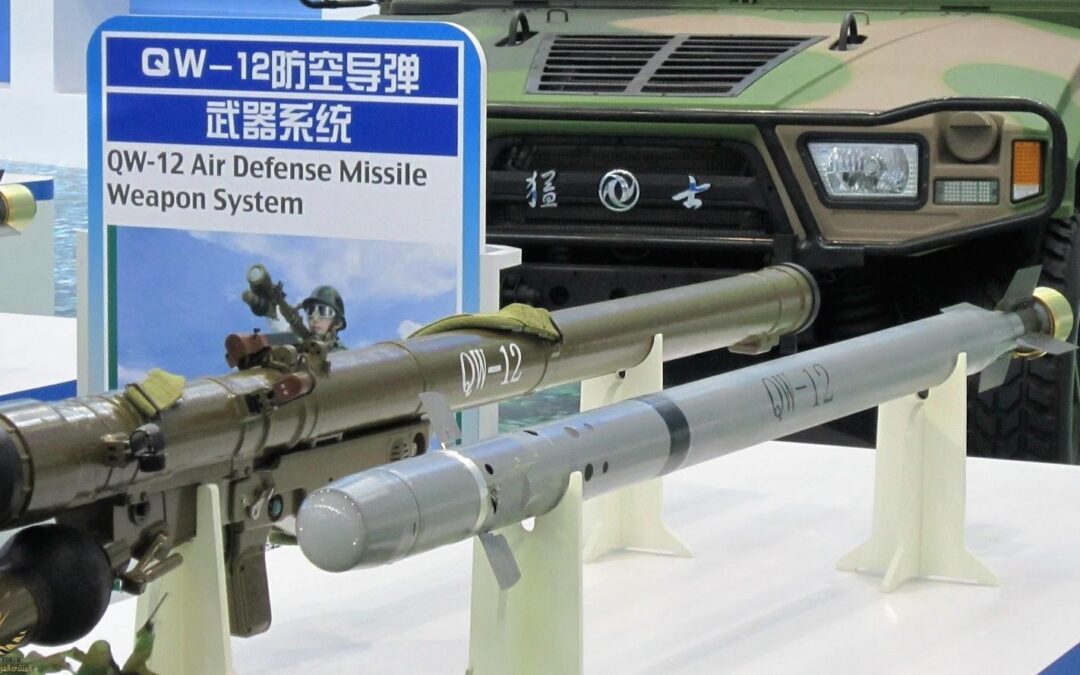
This essay explains how the reported acquisition (Reuters) of Chinese portable air-defence systems could influence Iran’s military recovery, reshape regional deterrence dynamics, deepen Sino-Iranian strategic cooperation, and affect the strategic calculations of the United States, Israel, the Gulf States, and Europe.
by Nikos Chatzis | 29 Jul, 2026 | Ecosystem Dynamics, Ecosystem Governance, Ecosystem Strategy, Supply Chains, The Techne–Phronesis Negotiation Framework™
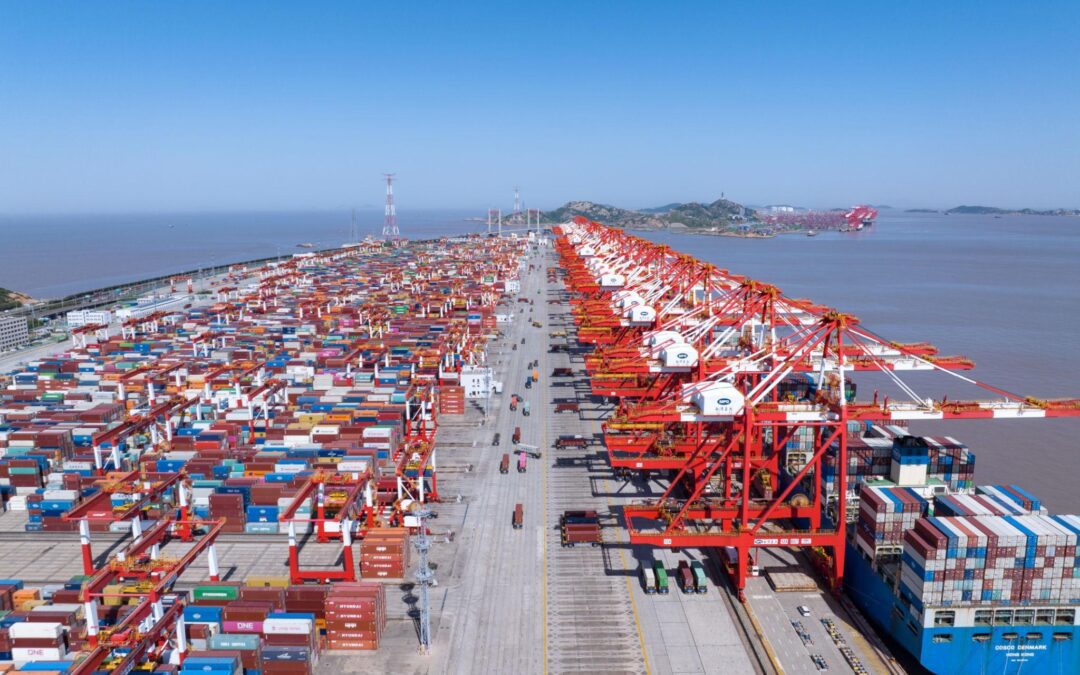
This essay explains how China’s supply chain logistics are evolving into a comprehensive strategic ecosystem that integrates technology, industrial policy, artificial intelligence, digital infrastructure, diplomacy, finance, and strategic negotiation. Using the Techne–Phronesis Negotiation Framework™ (TPNF), it demonstrates why future logistics should be understood as a complex adaptive ecosystem rather than a collection of isolated transportation activities.

by Nikos Chatzis | 29 Jul, 2026 | Robotics, Technology Ecosystems, Technology Geopolitics, The Techne–Phronesis Negotiation Framework™
This essay applies the Techne–Phronesis Negotiation Framework™ (TPNF) to examine the strategic implications of the United States’ decision to restrict imports of advanced Chinese humanoid and quadruped robots. It argues that the policy reflects a broader transition toward robotics sovereignty,
by Nikos Chatzis | 29 Jul, 2026 | Ecosystem Dynamics, Technological Civilization, Technology Corridors, Technology Evolution, The Techne–Phronesis Negotiation Framework™
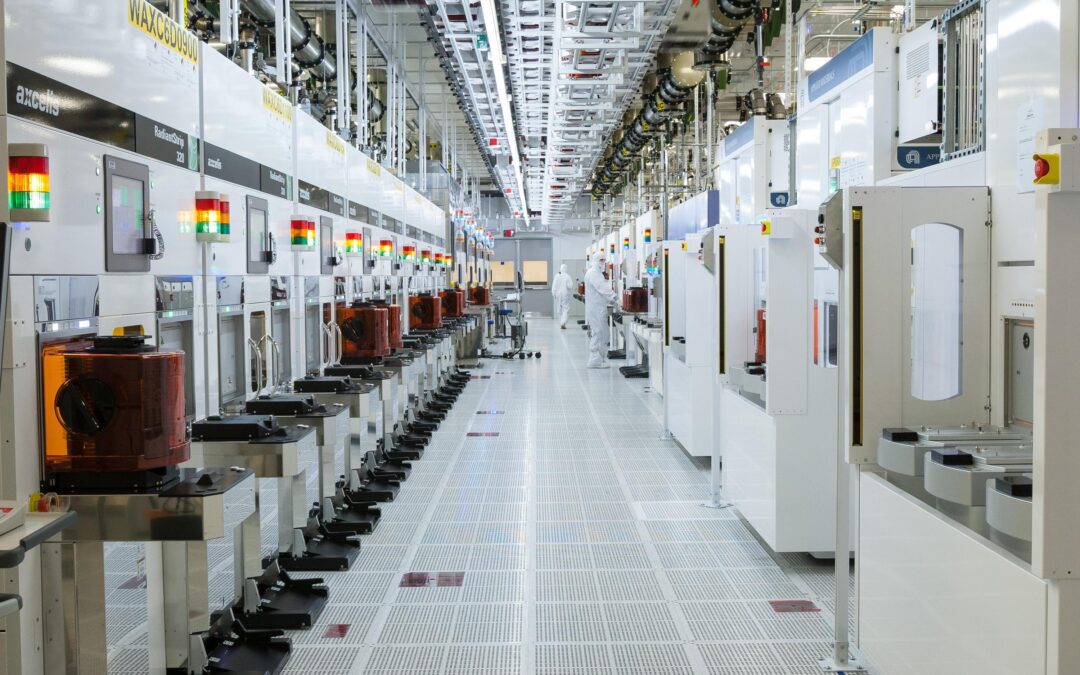
This essay applies the Techne–Phronesis Negotiation Framework™ (TPNF) to analyze the strategic significance of CXMT’s historic Shanghai STAR Market debut. It argues that memory semiconductor production has evolved from a commercial activity into a strategic capability that shapes technological ecosystems, AI competitiveness, national security, and the future balance of global economic power. The essay argues that future geopolitical competition will increasingly revolve around technological ecosystems rather than individual products, with semiconductor memory becoming a decisive element of long-term strategic value creation.
by Nikos Chatzis | 28 Jul, 2026 | Ecosystem Dynamics, Geopolitics, The Techne–Phronesis Negotiation Framework™
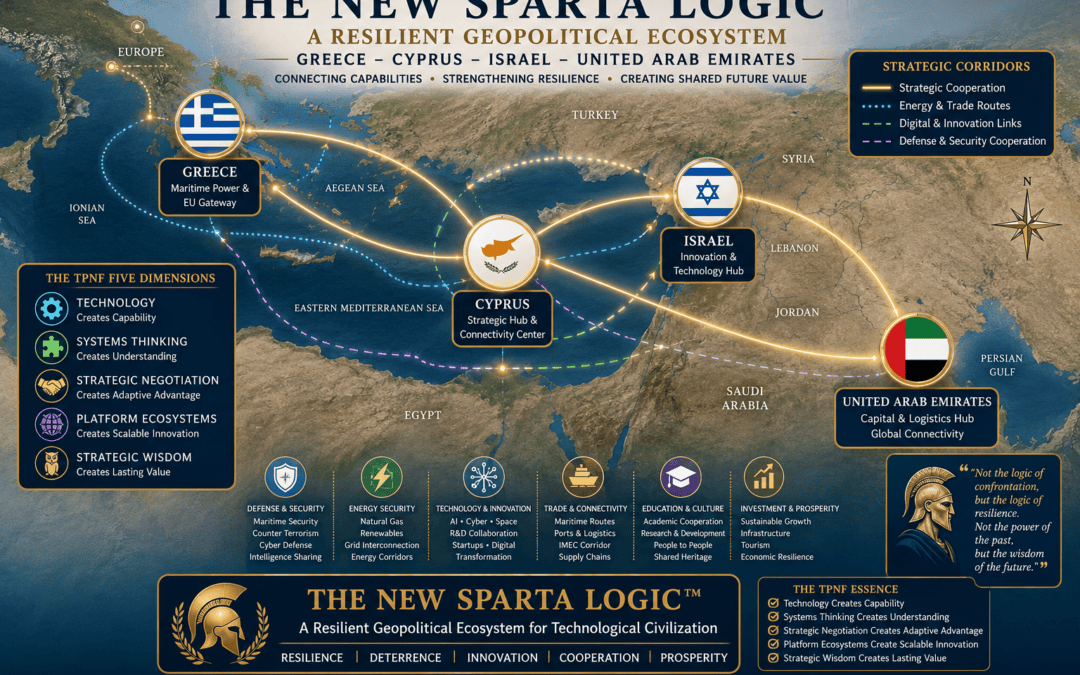
This essay explains how the Techne–Phronesis Negotiation Framework™ (TPNF) interprets the evolving Greece–Israel–UAE relationship as an integrated geopolitical ecosystem. It introduces the concept of the “New Sparta Logic” to describe a modern strategic approach based on technological leadership, adaptive cooperation, and multidimensional security rather than territorial expansion or military dominance alone.

by Nikos Chatzis | 28 Jul, 2026 | Platform Ecosystems, Sustainable Value Creation, Systems Integration, The Techne–Phronesis Negotiation Framework™
This manifesto introduces the origins, intellectual foundations, problem-solving philosophy, core principles, and future evolution of the Techne–Phronesis Negotiation Framework™ (TPNF). It presents TPNF as an evolving strategic framework designed to help leaders understand complexity, negotiate adaptation, and create sustainable value in an era of accelerating technological transformation.