by Nikos Chatzis | 14 Jul, 2026 | Geopolitics, Robotics, Strategic Governance, Strategic Leadership, The Techne–Phronesis Negotiation Framework™, War Robotis
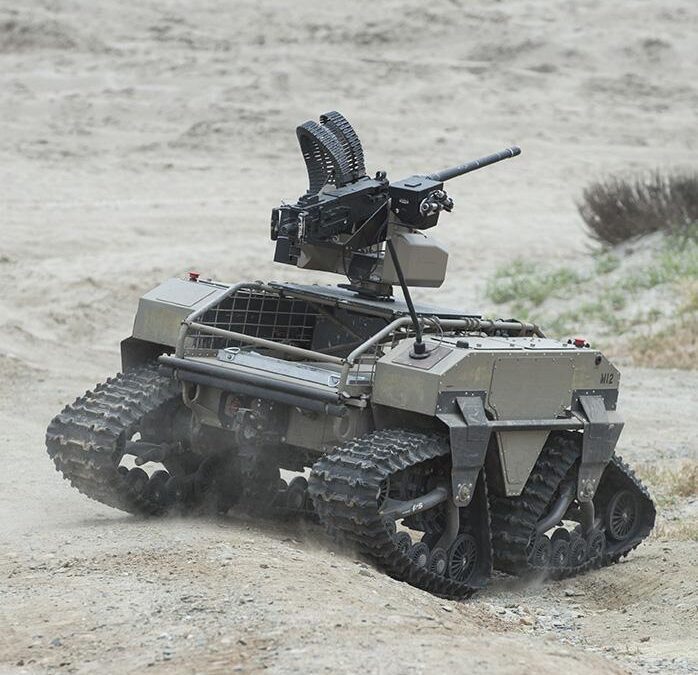
The deployment of an armed ground robot from an unmanned naval platform during combat represents more than a technological milestone; it signals the emergence of a new paradigm in warfare. Autonomous systems increasingly operate across land, sea, air, cyberspace, and the electromagnetic spectrum as interconnected ecosystems rather than isolated platforms. The Techne–Phronesis Negotiation Framework™ (TPNF) argues that this transformation reflects the evolution of Revolutionary War Robotics, where technical capability (techne), practical wisdom (phronesis), systems thinking, and adaptive strategic negotiation collectively shape the future of military innovation, strategic resilience, and responsible governance. The purpose of this essay is to examine how recent battlefield developments illustrate a broader transformation in military affairs.

by Nikos Chatzis | 12 Jul, 2026 | strategic autonomy, Strategic Governance, Strategic Leadership, Strategic Management, Strategic Thinking, Strategic Wisdom, The Techne–Phronesis Negotiation Framework™
Techne–Phronesis Negotiation Framework™ (TPNF) proposes a meta-framework for strategic governance that integrates technical capability (techne), practical wisdom (phronesis), systems thinking, and adaptive negotiation into a unified approach for managing complexity. Rather than replacing existing governance structures, the TPNF provides an overarching architecture that connects diverse institutional processes, strengthens strategic resilience, and enables continuous adaptation within international organizations.

by Nikos Chatzis | 12 Jul, 2026 | Strategic Leadership, The Techne–Phronesis Negotiation Framework™
The Techne–Phronesis Negotiation Framework™ (TPNF) argues that negotiation is not merely the pursuit of agreement but the continuous process through which individuals, organizations, and nations shape uncertain futures. This essay proposes that the future is not negotiated with certainty; it is negotiated with courage, wisdom, and preparation. Together, these three qualities enable strategic resilience across complex adaptive systems where change is constant and certainty remains elusive.
by Nikos Chatzis | 7 Jul, 2026 | Geopolitics, New Economy, Strategic Leadership, Strategic Management, Strategic Negotiation, Strategic Thinking
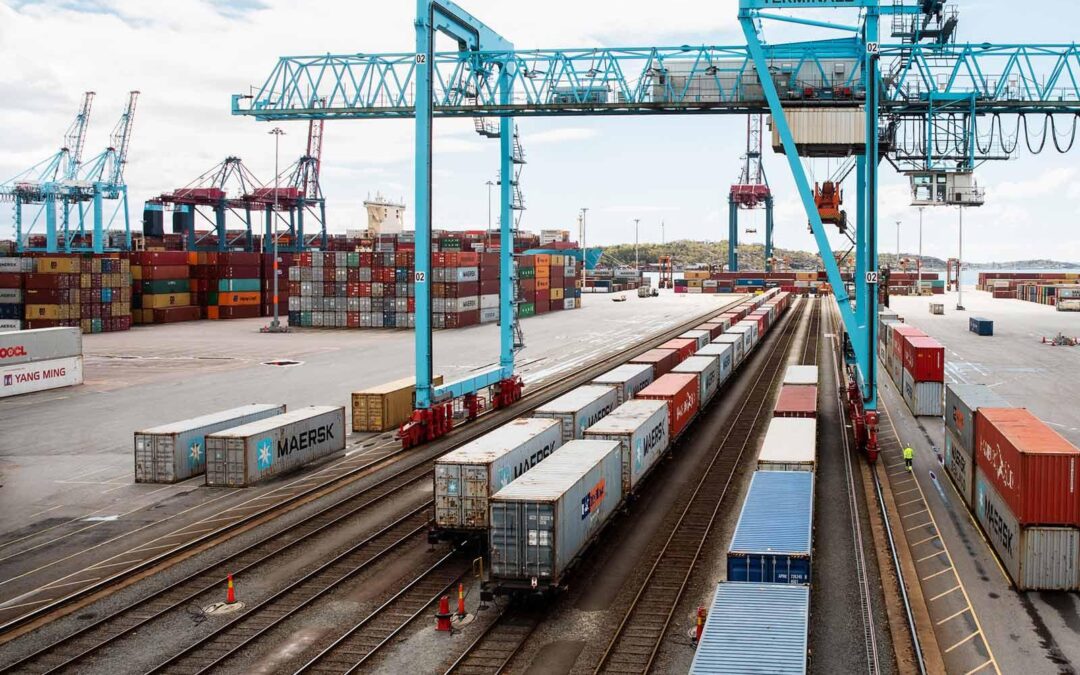
Greece is increasingly more strategically important and useful for U.S. interests because it combines NATO membership, EU membership, energy infrastructure, democratic alignment, access to the Balkans, proximity to Ukraine, cooperation with Israel and Cyprus, and potential connectivity with India through IMEC. This thesis argues that the Greece–Cyprus–Israel–UAE–India grouping better serves long-term U.S. interests than the competing Turkey–China–Pakistan–Saudi Arabia–Qatar configuration.

by Nikos Chatzis | 5 Jul, 2026 | 3-D Negotiation, Strategic Leadership, Strategic Management, Strategic Negotiation, Strategic Thinking, Strategic Wisdom, Strategy Evolution - Business Strategy, The Techne–Phronesis Negotiation Framework™
This essay argues that a new philosophy of leadership is required—one that integrates Technology (Techne), Systems Thinking, Strategic Wisdom (Phronesis), Strategic Negotiation, and Platform Ecosystems into a coherent approach for creating resilient innovation and long-term societal value. The Techne–Phronesis Negotiation Framework™ provides an intellectual architecture that explains how leadership can guide technological civilization toward sustainable prosperity.

by Nikos Chatzis | 1 Jul, 2026 | Strategic Leadership, Strategic Negotiation, Strategic Thinking, Systems Thinking, Technology Corridors, Technology Diplomacy, Technology Ecosystems, Technology Evolution, Technology Transfer
This thesis argues that the future of civilization will depend not only on inventing increasingly powerful technologies but on integrating technological capability, systemic understanding, and practical wisdom into resilient ecosystems that generate enduring economic, societal, and strategic value.