
by Nikos Chatzis | 26 Jun, 2026 | 3-D Negotiation, Innovation Ecosystems, Technology Evolution
The Fourth Industrial Revolution has fundamentally transformed the way technological innovation is created, developed, and commercialized. The Technology Ecosystem 3D Negotiator by integrating strategic negotiation, technology diplomacy, stakeholder management, and ecosystem governance, this professional contributes to sustainable technological development and international cooperation.

by Nikos Chatzis | 24 Jun, 2026 | 3-D Negotiation, 3-D Διαπραγμάτευση, Aviation Technology, Digital Age, Drone Economy, Drones' Technology Management, eVTOL, Geopolitics, Innovation Ecosystems
The twenty-first century economy is increasingly organized around innovation ecosystems rather than isolated organizations. Emerging technologies such as artificial intelligence, unmanned aircraft systems, geospatial intelligence, advanced telecommunications, autonomous systems, and digital platforms are no longer developed within the boundaries of a single company or institution. The Technology Ecosystem 3D Negotiator is not merely a negotiator, diplomat, manager, or technology expert. Rather, this individual operates at the intersection of technology diplomacy, innovation ecosystem development, strategic negotiation, and international cooperation. Their primary mission is to design and sustain the environments in which innovation can flourish.

by Nikos Chatzis | 22 Jun, 2026 | 3-D Negotiation, Drones' Technology Management, Innovation Ecosystems, UAVs
The accelerating pace of technological innovation is transforming the structure of modern economies and international relations. Emerging technologies such as artificial intelligence, unmanned aircraft systems (UAS), geospatial intelligence, autonomous systems, quantum computing, and digital infrastructure increasingly operate within complex innovation ecosystems involving governments, corporations, universities, regulators, investors, research institutions, and civil society. Drawing upon the principles of the Harvard 3D Negotiation Framework, technology diplomacy, innovation management, and geopolitical analysis, the study argues that future technology leaders will increasingly require the ability to design, align, and sustain collaborative ecosystems rather than merely negotiate individual transactions.
by Nikos Chatzis | 22 Jun, 2026 | 3-D Negotiation, Agriculture, Drone Economy, Geospatial Intelligence, Innovation Ecosystems
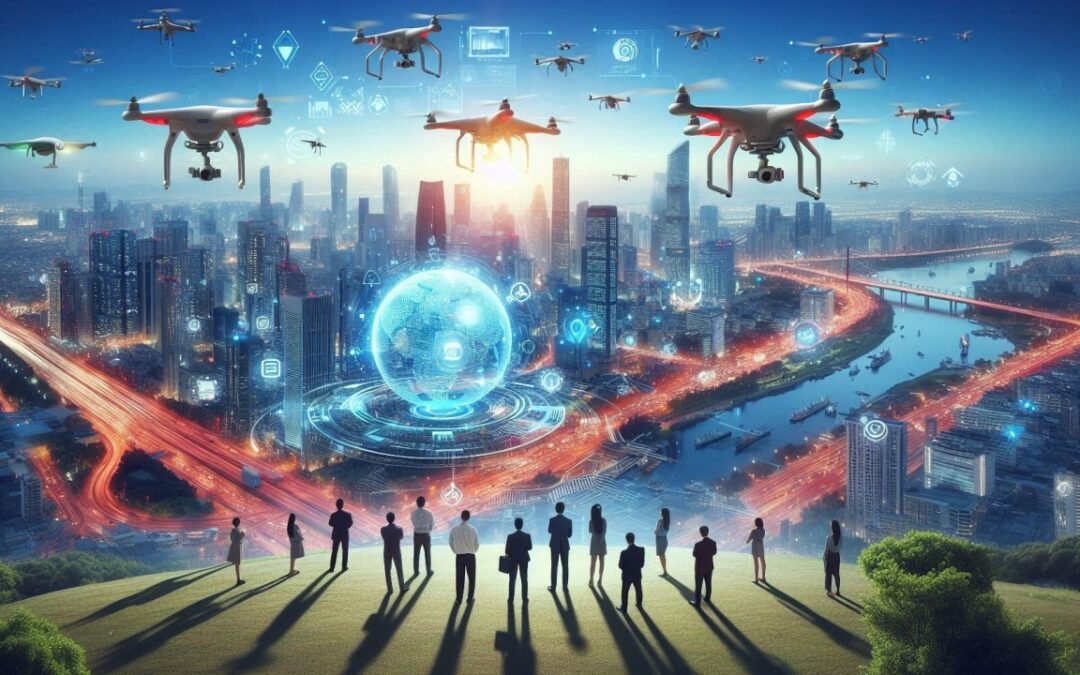
The global drone economy is undergoing a fundamental transformation. While early industry development focused primarily on aircraft manufacturing and flight operations, value creation increasingly derives from integrated ecosystems involving geospatial intelligence, artificial intelligence, data analytics, research collaborations, regulatory frameworks, and international partnerships. The study explores how international partnerships can be developed through these ecosystems and examines the role of technology diplomacy, innovation governance, and strategic negotiation in supporting sustainable growth within the global drone sector.

by Nikos Chatzis | 22 Jun, 2026 | 3-D Negotiation, Aviation Technology, Drones' Technology Management, UAS Investment, UAV, UAVs
The rapid expansion of Unmanned Aircraft Systems (UAS) and associated technological ecosystems is transforming economic activity, national security, international cooperation, and global innovation networks. By examining the intersection of drone technology, international relations, innovation governance, and strategic negotiation, the paper demonstrates that the future competitiveness of UAV ecosystems will depend as much on cooperation and stakeholder alignment as on technological innovation itself.
by Nikos Chatzis | 22 Jun, 2026 | 3-D Negotiation, 3-D Διαπραγμάτευση, Advanced Air Mobility / Urban Air Mobility (AAM) (UAM), Air Mobility Initiative (AIM), Artificial Intelligence, Aviation Technology, Defense & Security, Drones' Technology Management, Electric Aircraft, Electric Aviation, eVTOL, Geopolitics, UAS Investment, UAVs, UnManned Aerial Vehicles
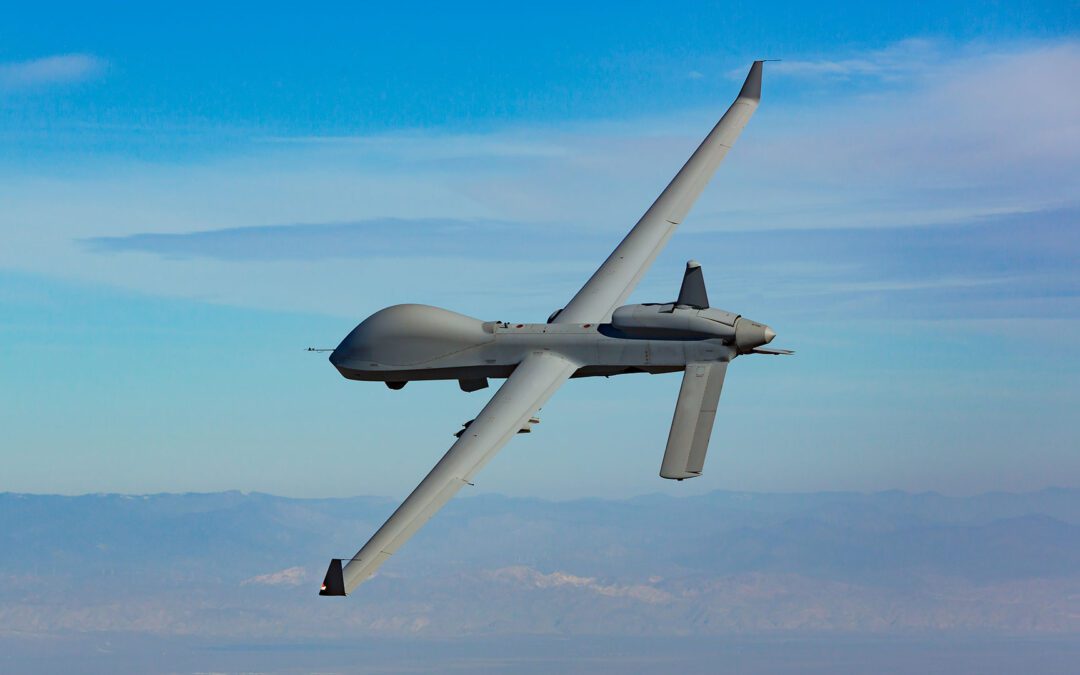
Few technologies have transformed international affairs as rapidly as Unmanned Aircraft Systems (UA S). Once regarded primarily as military surveillance platforms, drones have evolved into versatile tools that influence economic development, security policy, technological competition, environmental management, humanitarian operations, and international cooperation. The geopolitics of UAV technology is therefore not simply about who builds the best drone. It is about who controls the ecosystems, standards, data, partnerships, and innovation networks that will shape the future of unmanned aviation.