
by Nikos Chatzis | 5 Jul, 2026 | 3-D Negotiation, Collective Strategic Intelligence, Platform Ecosystems, The Techne–Phronesis Negotiation Framework™
This essay argues that Collective Strategic Intelligence represents the next stage in the evolution of technological civilization. Building upon The Techne–Phronesis Negotiation Framework™, it explains how Technology (Techne), Systems Thinking, Strategic Wisdom (Phronesis), Strategic Negotiation, and Platform Ecosystems collectively generate higher-order adaptive capabilities that strengthen resilience, responsible governance, and sustainable value creation.

by Nikos Chatzis | 5 Jul, 2026 | 3-D Negotiation, Strategic Thinking, Strategic Wisdom, Strategy Evolution - Business Strategy, The Techne–Phronesis Negotiation Framework™
This essay argues that the next great strategic capability is Collective Strategic Intelligence—the ability of societies to integrate technological capability, Systems Thinking, Strategic Wisdom (Phronesis), Strategic Negotiation, and Platform Ecosystems into continuously learning, adaptive systems capable of creating resilient innovation and lasting societal value.

by Nikos Chatzis | 5 Jul, 2026 | 3-D Negotiation, Platform Ecosystems, The Techne–Phronesis Negotiation Framework™
This essay argues that The Techne–Phronesis Negotiation Framework™ explains why Platform Ecosystems create future value today by integrating Technology (Techne), Systems Thinking, Strategic Wisdom (Phronesis), Strategic Negotiation, and Platform Ecosystems into a unified architecture for resilient innovation and sustainable value creation.

by Nikos Chatzis | 5 Jul, 2026 | 3-D Negotiation, Lasting Value, Technological Civilization, The Techne–Phronesis Negotiation Framework™
Negotiation.gr | Strategic Wisdom for the Technological Age Central Thesis The defining challenge of the twenty-first century is not simply accelerating technological innovation, but leading technological civilization so that innovation consistently creates lasting...
by Nikos Chatzis | 5 Jul, 2026 | 3-D Negotiation, Platform Ecosystems, Strategic Negotiation, Strategic Thinking, Strategic Wisdom, Systems Integration, Systems Thinking, Tech Economy of Software, Tech Sovereignty, Technology Corridors, Technology Diplomacy, Technology Ecosystems, Technology Evolution, Technology Geopolitics
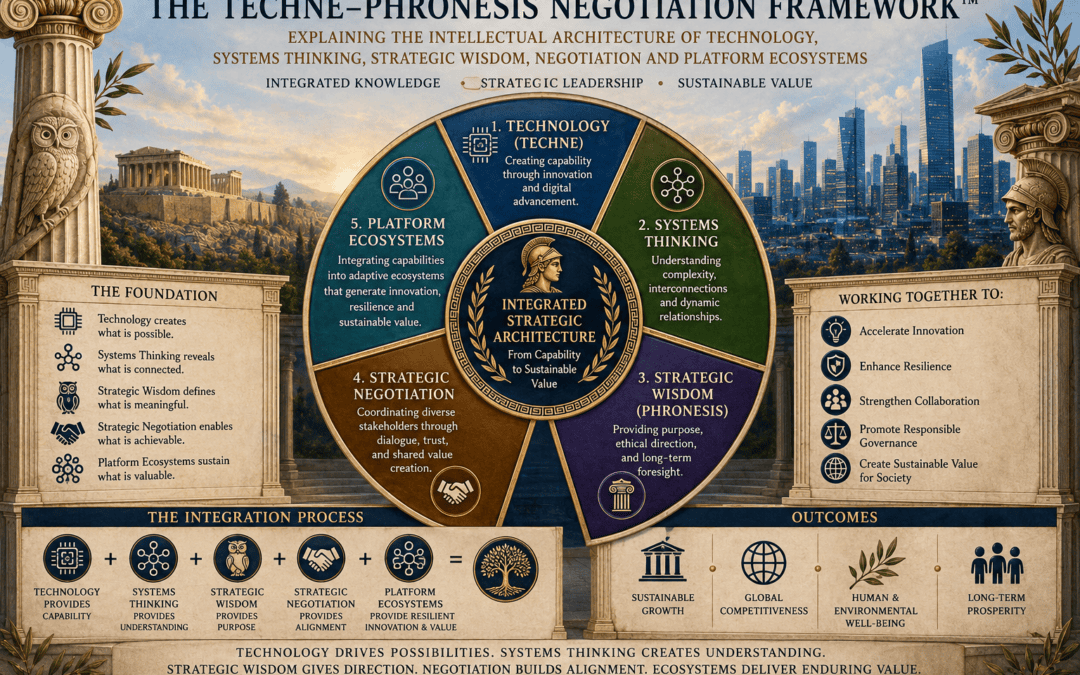
The Techne–Phronesis Negotiation Framework™ proposes an integrated intellectual architecture that combines Technology (Techne), Systems Thinking, Strategic Wisdom (Phronesis), Strategic Negotiation, and Platform Ecosystems into a coherent strategic perspective. This essay explains how these five complementary dimensions interact to guide technological leadership, ecosystem governance, resilient innovation, and sustainable value creation in the Human–Technology Revolution.

by Nikos Chatzis | 5 Jul, 2026 | 3-D Negotiation, Robotics, Technology Ecosystems, The Techne–Phronesis Negotiation Framework™
Technological progress increasingly results from the interaction of interconnected innovation ecosystems (Batteries, drones, Electric Vehicles (EVs), industrial robotics, Artificial Intelligence, cloud computing). The Techne–Phronesis Negotiation Framework™ explains how Technology, Systems Thinking, Strategic Wisdom, Strategic Negotiation, and Platform Ecosystems transform these coordinated capabilities into resilient innovation and sustainable value creation.
by Nikos Chatzis | 5 Jul, 2026 | 3-D Negotiation, Artificial Intelligence, Platform Ecosystems, Tech Economy of Software, Technology Ecosystems, The Techne–Phronesis Negotiation Framework™
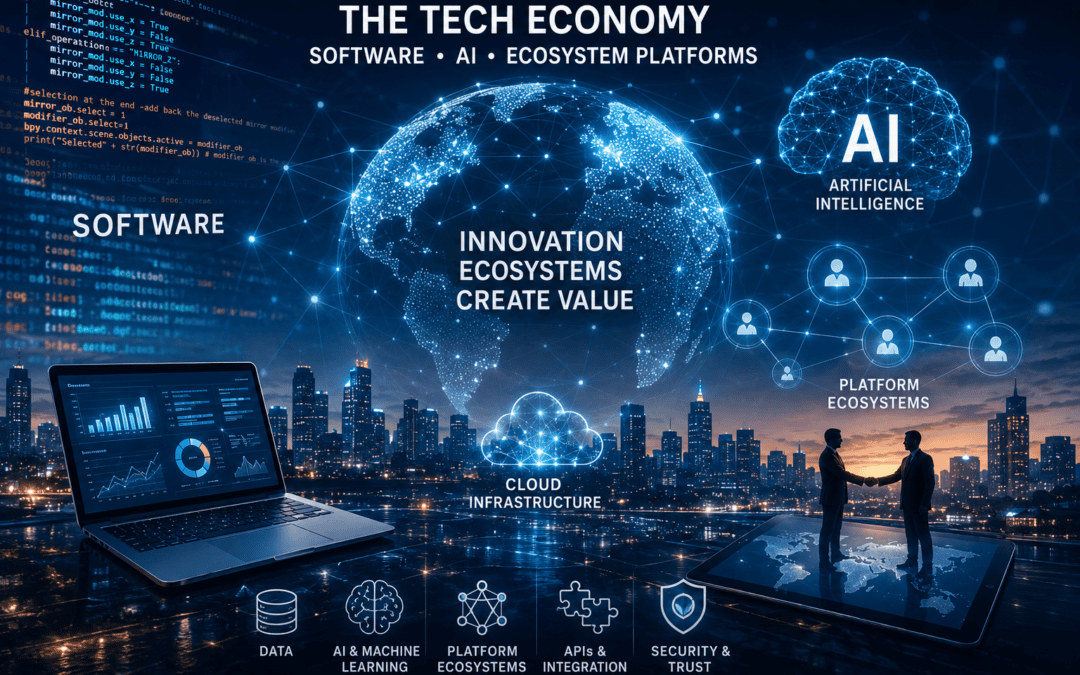
This essay argues that The Techne–Phronesis Negotiation Framework™ explains the evolution of the Tech Economy by integrating Technology (Techne), Systems Thinking, Strategic Wisdom (Phronesis), Strategic Negotiation, and Platform Ecosystems into a comprehensive model for resilient innovation and sustainable value creation.
by Nikos Chatzis | 5 Jul, 2026 | 3-D Negotiation, Sustainability, Sustainable Value Creation, Tech Sovereignty, The Techne–Phronesis Negotiation Framework™
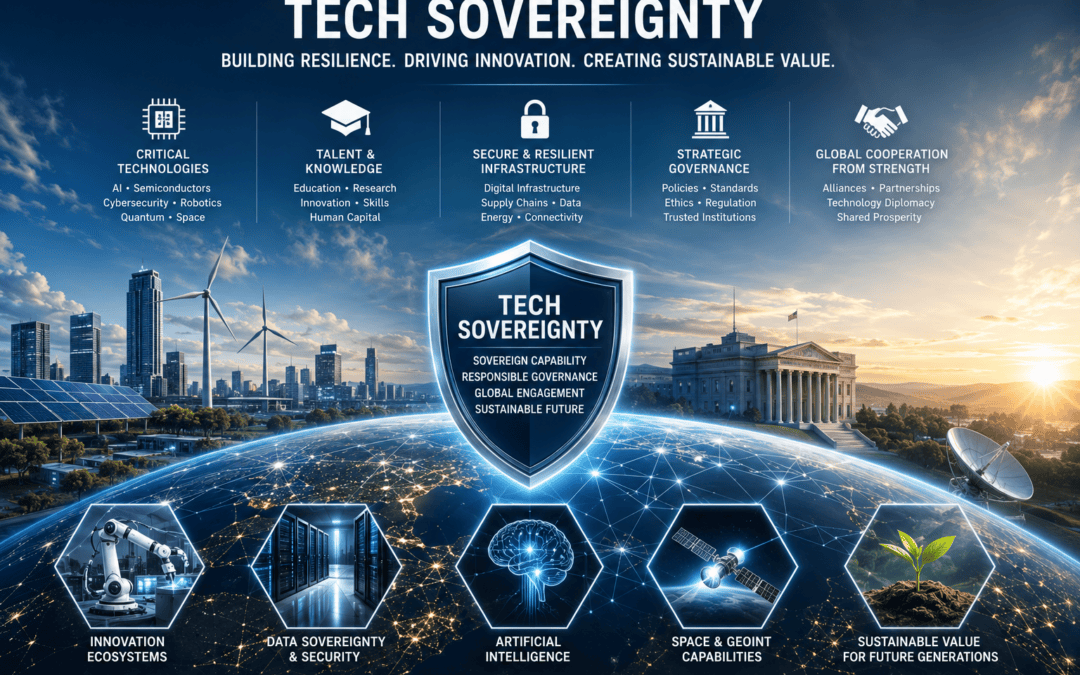
This essay argues that The Techne–Phronesis Negotiation Framework™ provides an integrated perspective for understanding how Tech Sovereignty can become a foundation for sustainable value creation through the interaction of Technology (Techne), Systems Thinking, Strategic Wisdom (Phronesis), Strategic Negotiation, and Platform Ecosystems.

by Nikos Chatzis | 5 Jul, 2026 | Technology Diplomacy, Technology Ecosystems, Technology Evolution, Technology Geopolitics, Technology Transfer, The New Economy, The Techne–Phronesis Negotiation Framework™, Γεωπολιτική
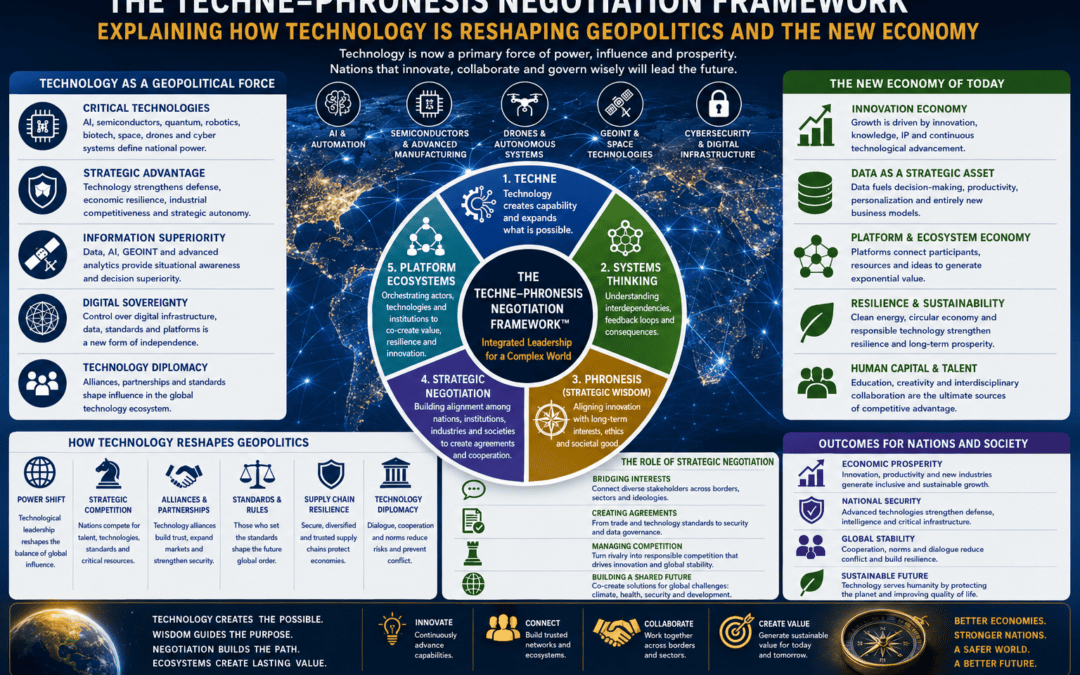
Technological capability increasingly shapes economic resilience, national security, and international influence. This essay argues that The Techne–Phronesis Negotiation Framework™ explains this strategic transformation by integrating Technology (Techne), Systems Thinking, Strategic Wisdom (Phronesis), Strategic Negotiation, and Platform Ecosystems into a comprehensive model for understanding the emerging geopolitical economy.
by Nikos Chatzis | 5 Jul, 2026 | The New Economy, The Techne–Phronesis Negotiation Framework™, Γεωπολιτική
This essay argues that The Techne–Phronesis Negotiation Framework™ provides an integrated perspective for understanding this transformation by combining Technology (Techne), Systems Thinking, Strategic Wisdom (Phronesis), Strategic Negotiation, and Platform Ecosystems into a comprehensive model for technological leadership in the twenty-first century.