
by Nikos Chatzis | 8 Jul, 2026 | Geopolitics, The Techne–Phronesis Negotiation Framework™
This thesis argues that no single actor controls modern technology alone. Instead, technological power is distributed across specialized national ecosystems: the United States dominates design, AI platforms and cloud; Taiwan controls leading-edge semiconductor manufacturing through TSMC; the Netherlands and Europe control key semiconductor equipment through ASML and industrial standards; Japan and South Korea remain essential in materials, equipment, memory and advanced manufacturing; China seeks self-sufficiency under export-control pressure; India is rising as a strategic technology and manufacturing platform; and the Middle East is using capital, energy and data-center infrastructure to become an AI and cloud hub. The Techne–Phronesis Negotiation Framework™ explains this transformation as a struggle to organize technological ecosystems into sustainable long-term geopolitical value.

by Nikos Chatzis | 7 Jul, 2026 | Geopolitics, The Techne–Phronesis Negotiation Framework™
The Techne–Phronesis Negotiation Framework™ provides a multidimensional analytical perspective for understanding this transformation by integrating technological capability, strategic wisdom, systems thinking, platform ecosystems, and long-term value creation into a unified geopolitical model.

by Nikos Chatzis | 7 Jul, 2026 | Geopolitics, The Techne–Phronesis Negotiation Framework™
This thesis argues that The Techne–Phronesis Negotiation Framework™ provides a multidimensional analytical model for understanding how technology has become the central organizing principle of contemporary geopolitics and long-term value creation.
by Nikos Chatzis | 7 Jul, 2026 | Geopolitics, New Economy, Strategic Leadership, Strategic Management, Strategic Negotiation, Strategic Thinking
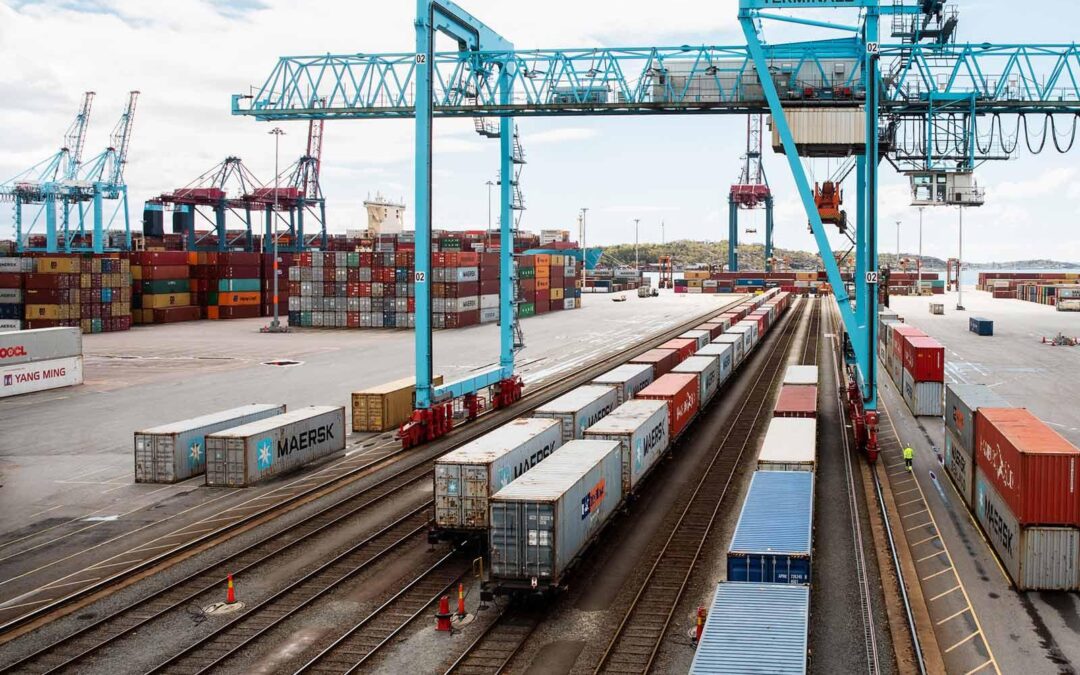
Greece is increasingly more strategically important and useful for U.S. interests because it combines NATO membership, EU membership, energy infrastructure, democratic alignment, access to the Balkans, proximity to Ukraine, cooperation with Israel and Cyprus, and potential connectivity with India through IMEC. This thesis argues that the Greece–Cyprus–Israel–UAE–India grouping better serves long-term U.S. interests than the competing Turkey–China–Pakistan–Saudi Arabia–Qatar configuration.
by Nikos Chatzis | 7 Jul, 2026 | Γεωπολιτική
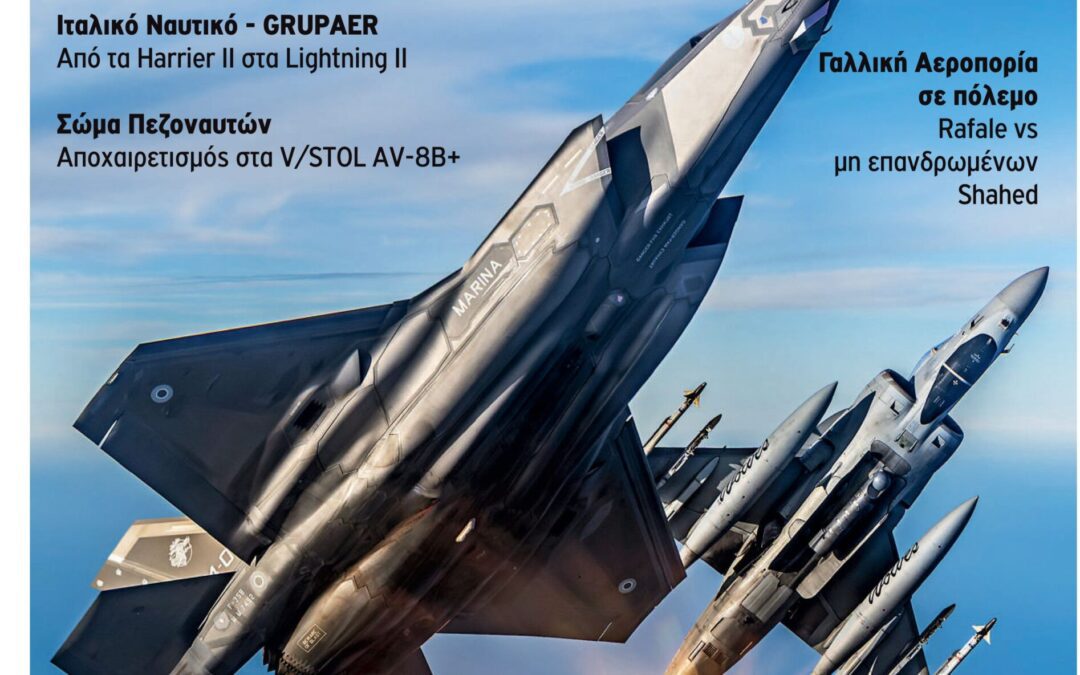
Η διαπραγματευτική διαδικασία καταρρέει αν οι πλευρές που συμμετέχουν στις διαπραγματεύσεις αδυνατούν να συντονίσουν κατάλληλα τους σκιώδεις παίκτες που βρίσκονται πίσω από αυτές…
by Nikos Chatzis | 7 Jul, 2026 | Uncategorized
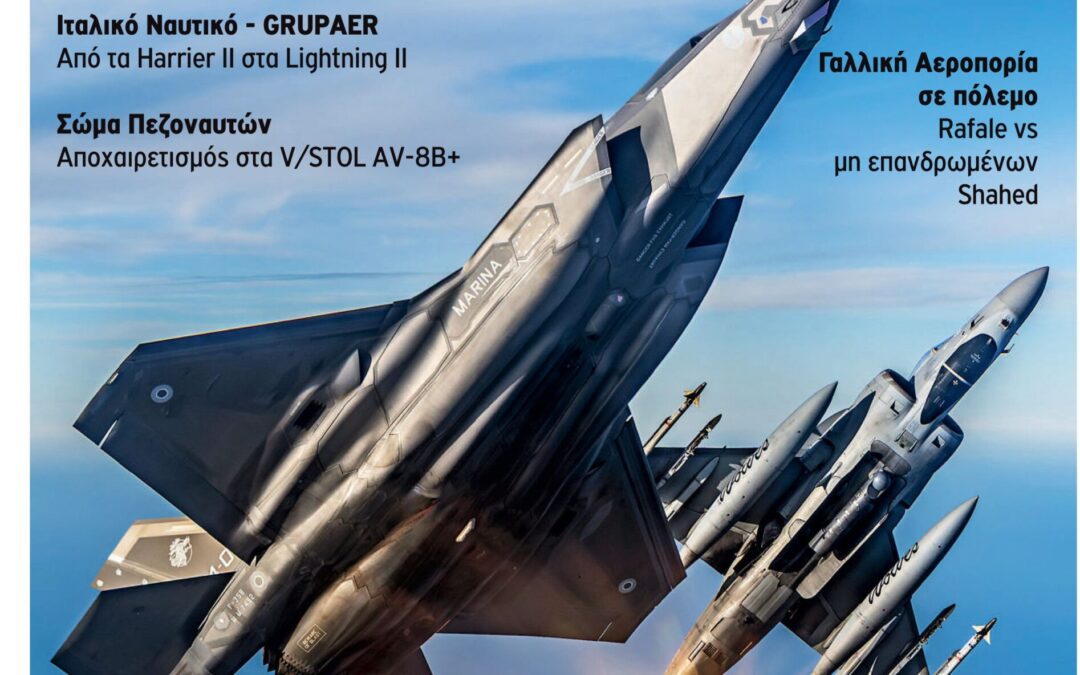
Επιδίωξη “de facto” αλλαγής της Συνθήκης του Μοντρέ στη Μαύρη Θάλασσα από τον Ερντογάν

by Nikos Chatzis | 5 Jul, 2026 | 3-D Negotiation, The Techne–Phronesis Negotiation Framework™
This essay argues that The Techne–Phronesis Negotiation Framework™ constitutes an integrated strategic framework for technological civilization. By combining Technology (Techne), Systems Thinking, Strategic Wisdom (Phronesis), Strategic Negotiation, and Platform Ecosystems into a coherent strategic architecture, the framework explains how leaders can create resilient innovation, adaptive institutions, and sustainable long-term value in an increasingly interconnected world.

by Nikos Chatzis | 5 Jul, 2026 | 3-D Negotiation, Ecosystem Dynamics, Ecosystem Governance, Ecosystem Strategy, Ecosystem Thinking, Systems Integration, Systems Leadership, Systems Thinking, The Techne–Phronesis Negotiation Framework™
This essay argues that The Techne–Phronesis Negotiation Framework™ constitutes a multidimensional operating model that explains a broader Theory of Technological Civilization. By integrating Technology (Techne), Systems Thinking, Strategic Wisdom (Phronesis), Strategic Negotiation, and Platform Ecosystems, the framework provides a coherent architecture for resilient innovation, adaptive leadership, and sustainable long-term value creation.

by Nikos Chatzis | 5 Jul, 2026 | 3-D Negotiation, Strategic Leadership, Strategic Management, Strategic Negotiation, Strategic Thinking, Strategic Wisdom, Strategy Evolution - Business Strategy, The Techne–Phronesis Negotiation Framework™
This essay argues that a new philosophy of leadership is required—one that integrates Technology (Techne), Systems Thinking, Strategic Wisdom (Phronesis), Strategic Negotiation, and Platform Ecosystems into a coherent approach for creating resilient innovation and long-term societal value. The Techne–Phronesis Negotiation Framework™ provides an intellectual architecture that explains how leadership can guide technological civilization toward sustainable prosperity.
by Nikos Chatzis | 5 Jul, 2026 | Geopolitics, NATO, The Techne–Phronesis Negotiation Framework™
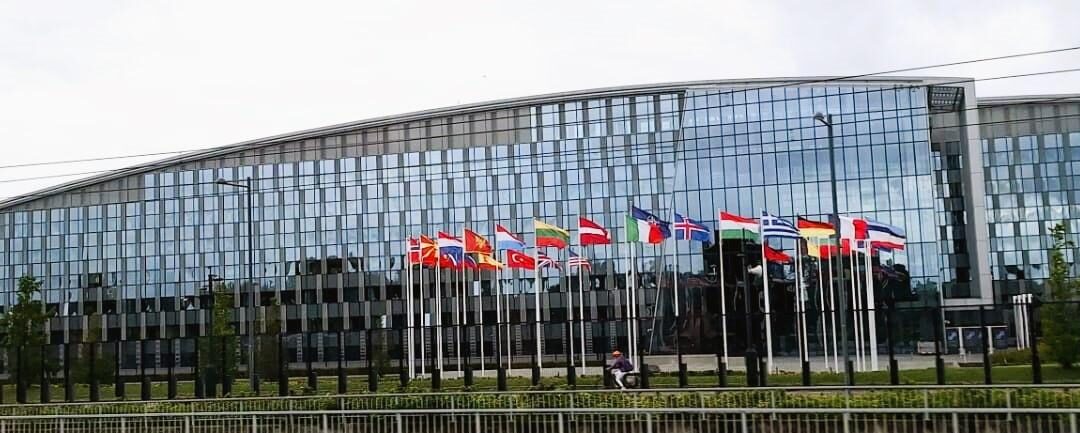
This essay argues that maintaining strategic relevance requires more than military modernization. NATO must evolve into a continuously learning alliance capable of integrating technology, innovation, strategic coordination, and adaptive governance. The Techne–Phronesis Negotiation Framework™ provides an integrated perspective by combining Technology (Techne), Systems Thinking, Strategic Wisdom (Phronesis), Strategic Negotiation, and Platform Ecosystems into a comprehensive model for alliance transformation.