by Nikos Chatzis | 13 Aug, 2026 | Drone Training, The Techne–Phronesis Negotiation Framework™
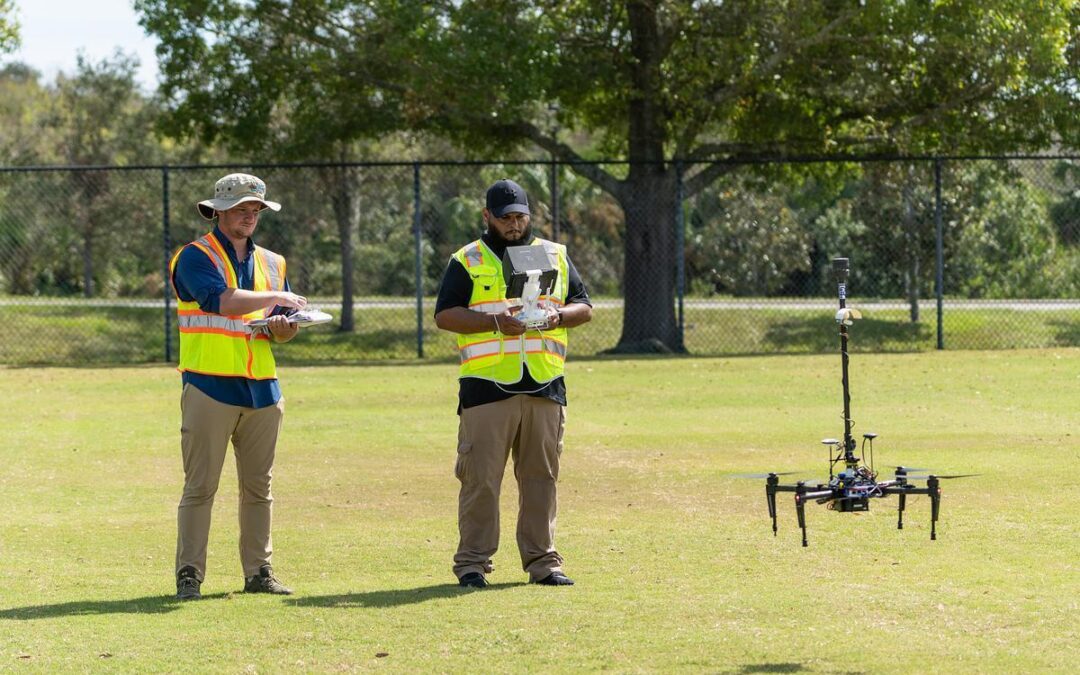
This essay examines contemporary challenges facing drone training and proposes a TPNF interpretation of its future development. Its central argument is that regulation and certification provide an essential safety foundation, but sustainable professional value requires continuous competency development integrating technology, aviation judgment, risk management and real-world operational applications.
by Nikos Chatzis | 12 Aug, 2026 | Geopolitics, The Techne–Phronesis Negotiation Framework™, War
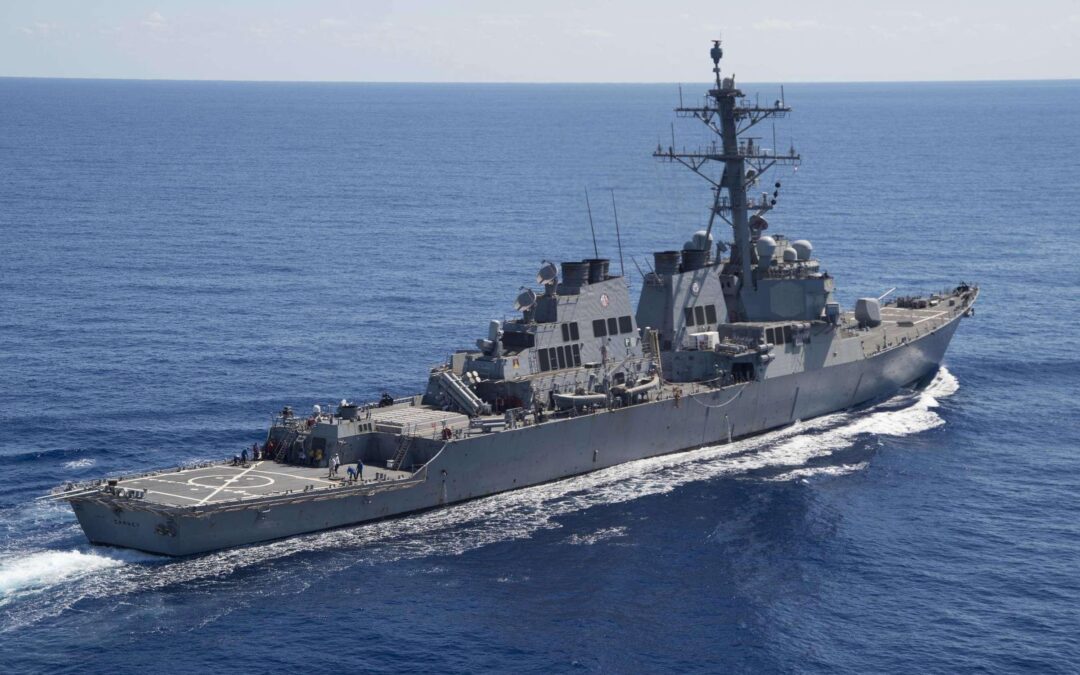
This essay examines the emerging divergence between U.S. and Israeli objectives alongside continuing maritime escalation involving the Houthis and the United States. TPNF argues that the Middle East should increasingly be understood not as a collection of separate conflicts but as a Negotiating–Security Ecosystem in which actions on one front alter bargaining positions across several others.
by Nikos Chatzis | 11 Aug, 2026 | Geopolitics, Global Economy, Strategic Financial Ecosystems, The Techne–Phronesis Negotiation Framework™
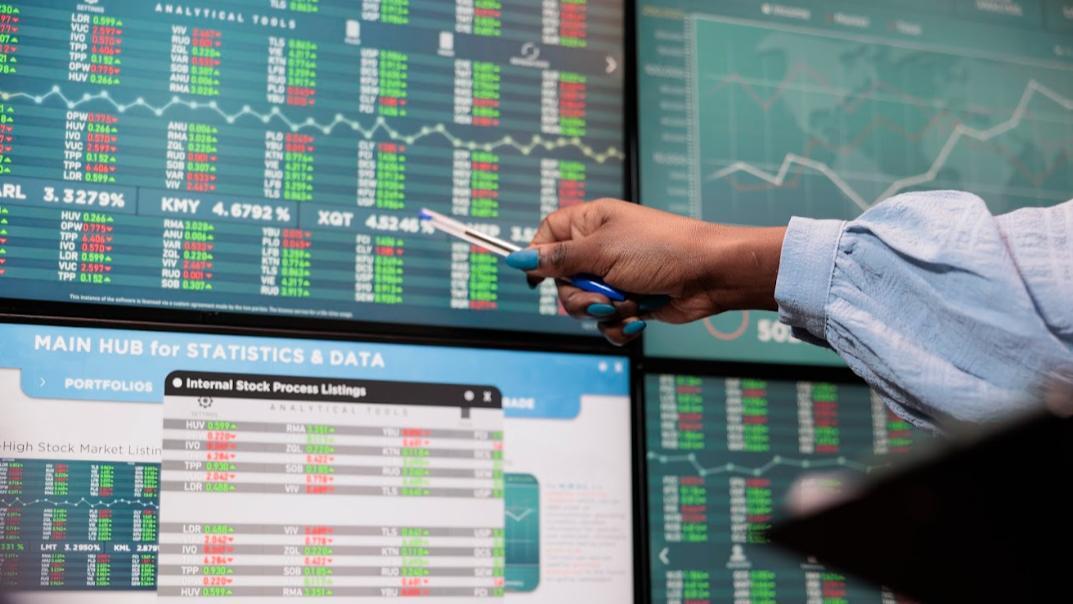
This essay explains Strategic Financial Ecosystems through TPNF and examines how their transformation affects geopolitical competition, economic resilience and international negotiation. Its central argument is that financial strategy can no longer be analyzed independently from technology, trade, energy, security and geopolitics.

by Nikos Chatzis | 11 Aug, 2026 | Artificial Intelligence AI, Robotics, Semiconductors, The Techne–Phronesis Negotiation Framework™
This essay examines why robotics, semiconductors and AI increasingly constitute a central geopolitical capability of the twenty-first century. It argues that strategic advantage will depend not simply upon leadership in any individual technology, but upon the capacity to connect research, chips, computing infrastructure, AI models, energy, robotics, manufacturing, talent, capital and institutions into resilient technological ecosystems.
by Nikos Chatzis | 11 Aug, 2026 | The Techne–Phronesis Negotiation Framework™
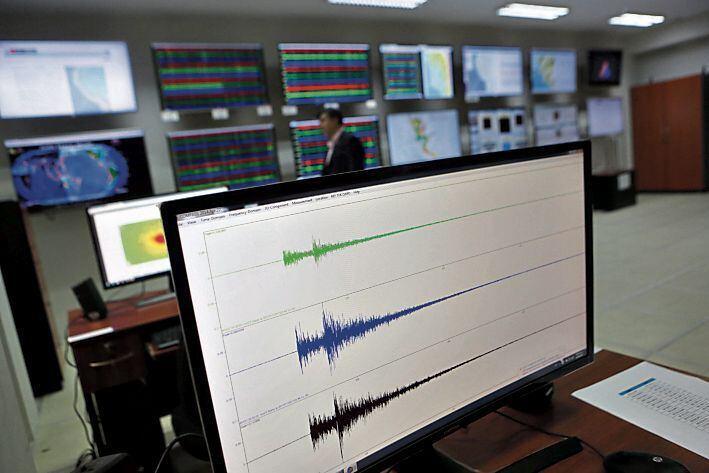
This essay applies TPNF to the Colombian earthquake as a case of Platform-Ecosystem Disruption.
It examines how physical destruction can propagate beyond the epicentral area through interconnected infrastructures and identifies the wider peripheral consequences for transportation, healthcare, economic activity, communications, governance, and regional resilience.