by Nikos Chatzis | 17 Jul, 2026 | Geoeconomy, Geopolitics, The Techne–Phronesis Negotiation Framework™
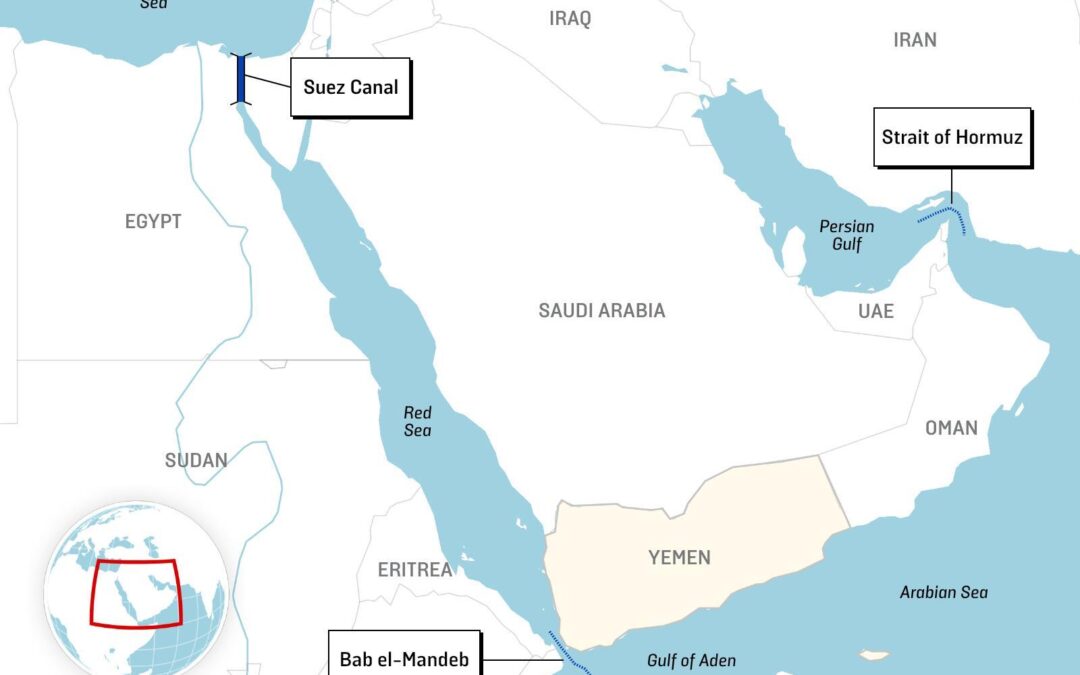
The purpose of this essay is to examine the strategic implications of two potential escalation pathways—attacks on critical power infrastructure and disruption of the Red Sea maritime gateway—and to evaluate their consequences for the United States, the European Union, and the Arab Gulf States through the interdisciplinary perspective of the Techne–Phronesis Negotiation Framework™ (TPNF).
by Nikos Chatzis | 16 Jul, 2026 | Geopolitics, Network Ecosystems, The Techne–Phronesis Negotiation Framework™
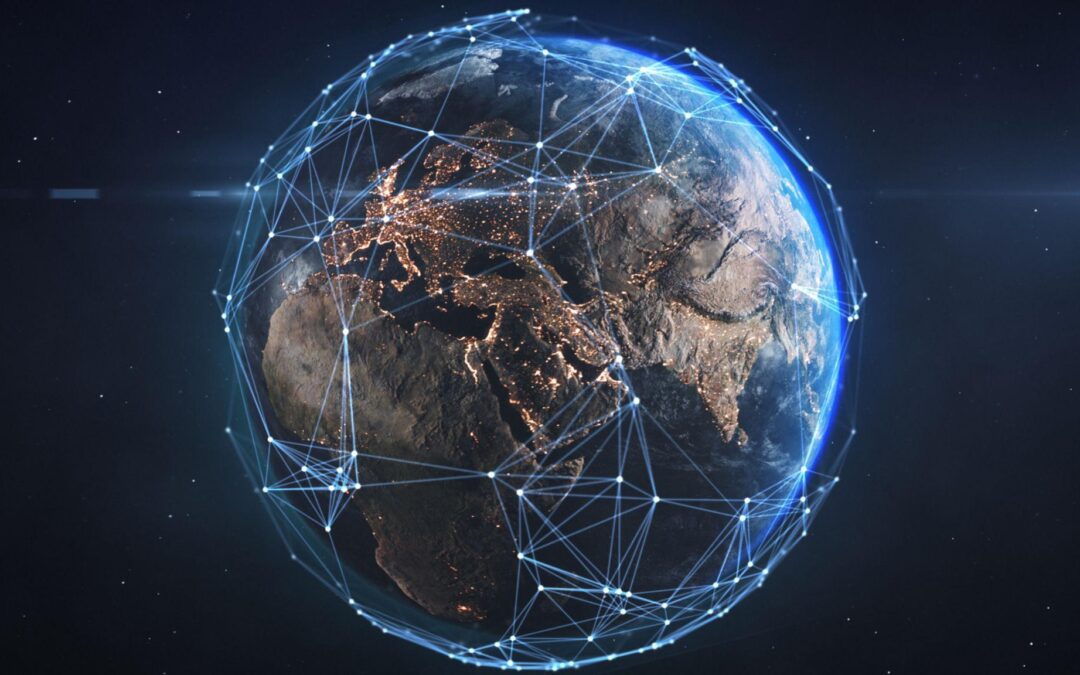
The purpose of this essay is to introduce the concept of the non-polar state as an analytical perspective for understanding contemporary geopolitics. Rather than viewing states solely through traditional models of polarity, the TPNF explains how influence increasingly arises from participation in multilevel network ecosystems that integrate technology, diplomacy, finance, innovation, governance, and international cooperation. The essay argues that strategic adaptation and resilient ecosystem governance are becoming defining characteristics of successful states in technological civilization. The Techne–Phronesis Negotiation Framework™ (TPNF) argues that the contemporary Non-Polar State is defined by its capacity to understand, influence, and adapt to these interconnected ecosystems through techne, phronesis, systems thinking, and strategic negotiation.
by Nikos Chatzis | 16 Jul, 2026 | Ecosystem Dynamics, Ecosystem Strategy, Ecosystem Thinking, The Techne–Phronesis Negotiation Framework™, Value Creation
The purpose of this essay is to explain how technological innovation and contemporary geoeconomy increasingly operate through interconnected ecosystems rather than independent sectors. The Techne–Phronesis Negotiation Framework™ (TPNF) argues that contemporary geoeconomic competitiveness depends on the ability to cultivate adaptive ecosystems in which technical capability (techne), practical wisdom (phronesis), systems thinking, and strategic negotiation continuously interact to generate resilience, innovation, and sustainable strategic value.
by Nikos Chatzis | 16 Jul, 2026 | Geopolitics, The Techne–Phronesis Negotiation Framework™
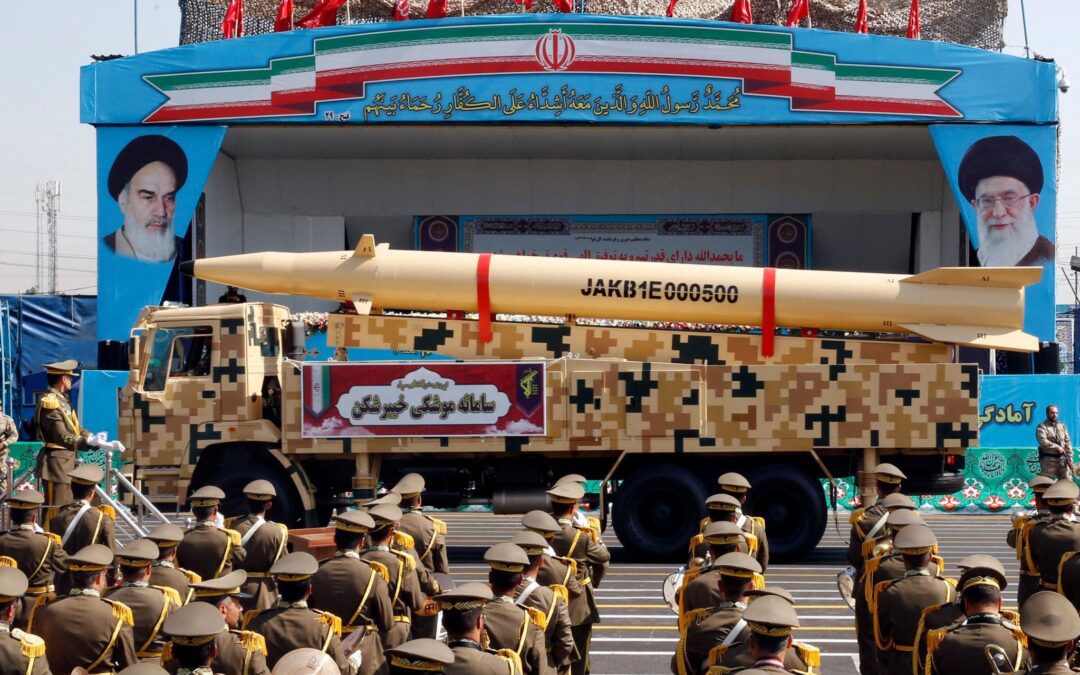
Iran’s missile program has become one of the central elements of its national defense and regional deterrence strategy. Beyond its military dimension, The Techne–Phronesis Negotiation Framework™ (TPNF) argues that the geopolitical significance of Iran’s missile capabilities should be understood within a broader strategic ecosystem where technology, deterrence, diplomacy, industrial capability, and adaptive governance continuously interact. Strategic influence therefore emerges not solely from military assets but from their integration with political, economic, technological, and institutional systems.
by Nikos Chatzis | 15 Jul, 2026 | Strategic Adaptation, Technological Civilization, The Techne–Phronesis Negotiation Framework™
The purpose of this essay is to present the Techne–Phronesis Negotiation Framework™ (TPNF) as an interdisciplinary conceptual architecture for understanding strategic adaptation in contemporary technological civilization. Rather than offering another sector-specific model, the framework provides an integrative perspective capable of connecting technology, governance, economics, organizational learning, innovation, geopolitics, and human judgment within a coherent theoretical structure. The essay explains the intellectual foundations, conceptual relationships, and practical relevance of the TPNF while positioning it as a framework for analyzing complexity, resilience, and sustainable strategic value creation.