by Nikos Chatzis | 20 Jul, 2026 | The Techne–Phronesis Negotiation Framework™
The Techne–Phronesis Negotiation Framework™ (TPNF) provides a comprehensive strategic theory for understanding and navigating contemporary technological civilization by integrating technological capability, practical wisdom, systems thinking, strategic negotiation, and multilevel network ecosystems. Defining the framework through the questions “Why?”, “How?”, and “Where?” clarifies its philosophical foundations, methodological architecture, and broad applicability across technological, organizational, geopolitical, and societal domains.
by Nikos Chatzis | 20 Jul, 2026 | Technological Civilization, Technology Ecosystems, Technology Evolution, The Techne–Phronesis Negotiation Framework™, Value Creation
The Techne–Phronesis Negotiation Framework™ (TPNF) represents a strategic theory for understanding and governing today’s technological civilization. By integrating Technology (Techne), Practical Wisdom (Phronesis), Systems Thinking, Strategic Negotiation, Complex Adaptive Systems, and Platform Ecosystems, the framework explains how societies, organizations, and states can create sustainable value while navigating technological disruption and geopolitical uncertainty.
by Nikos Chatzis | 20 Jul, 2026 | Technology Geopolitics, The Techne–Phronesis Negotiation Framework™, UCAV
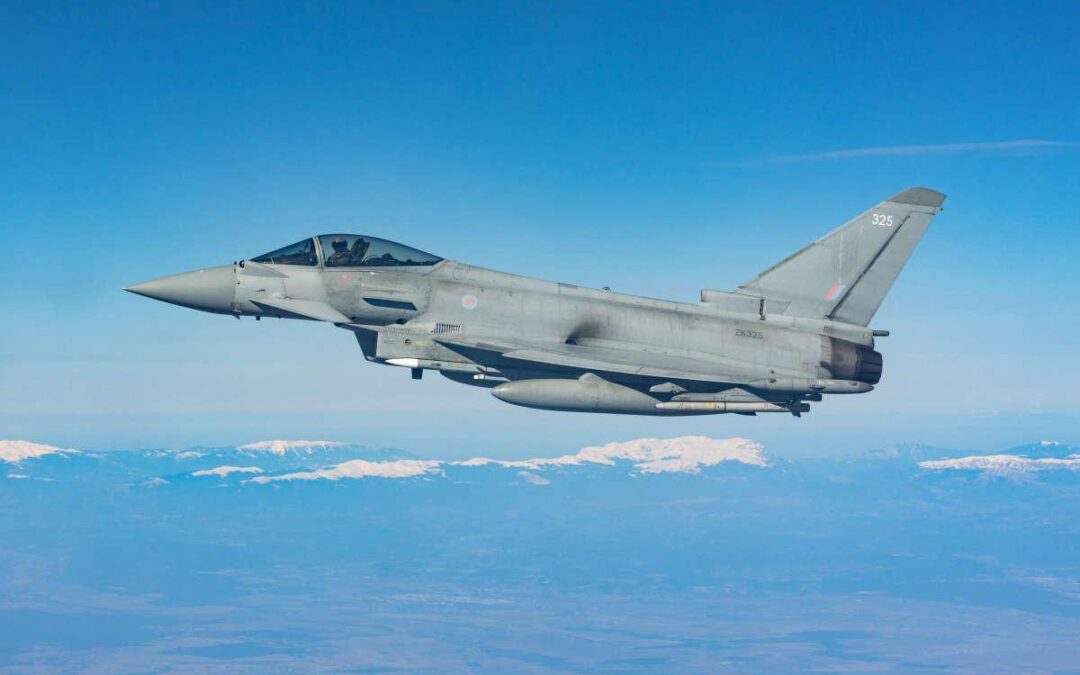
The purpose of this essay is to examine the strategic implications of the United Kingdom’s Storm Fighter Loyal Wingman Program through the analytical lens of the Techne–Phronesis Negotiation Framework™ (TPNF). The United Kingdom’s Storm Fighter Loyal Wingman Program represents far more than the introduction of autonomous collaborative combat aircraft into Royal Air Force operations.
by Nikos Chatzis | 19 Jul, 2026 | The Techne–Phronesis Negotiation Framework™, UnManned Aerial Vehicles, War Robotis
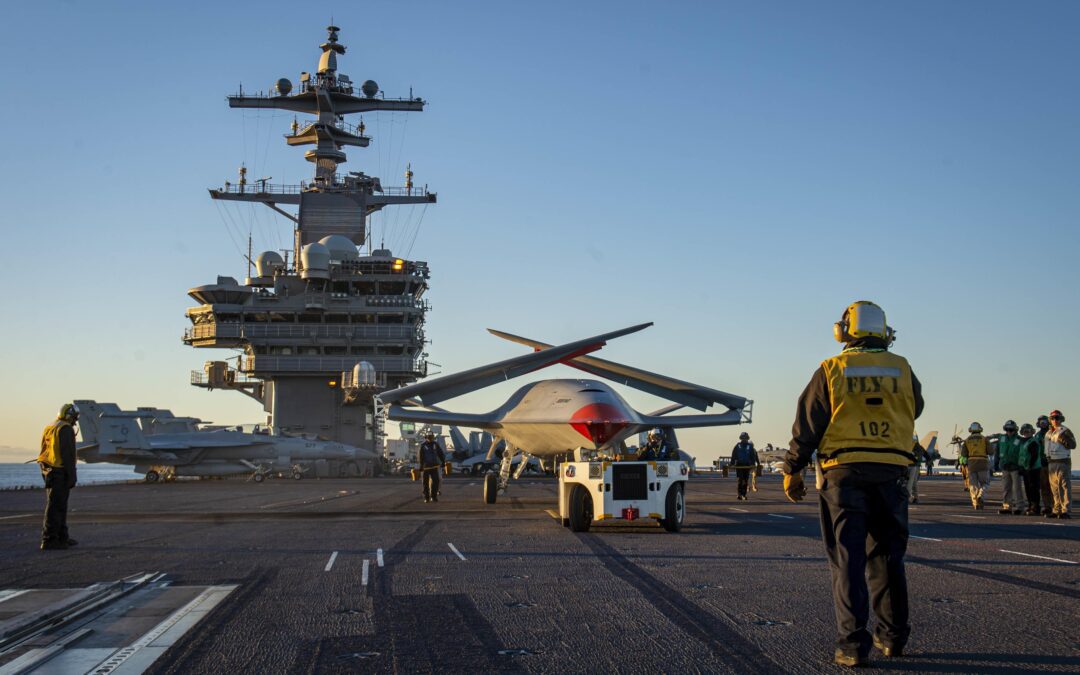
The purpose of this essay is to examine the strategic implications of the United States Navy’s interest in future carrier-based tactical drone fleets capable of conducting long-range strike, reconnaissance, electronic warfare, and supporting missions. The essay applies the Techne–Phronesis Negotiation Framework™ (TPNF) to analyze how such unmanned systems may reshape carrier aviation, distributed maritime operations, alliance interoperability, defence-industrial cooperation, operational resilience, and network-centric warfare.

by Nikos Chatzis | 19 Jul, 2026 | Strategic Resilience, Strategic Theory, Strategic Thinking, Strategic Wisdom, Strategy Evolution - Business Strategy, The Techne–Phronesis Negotiation Framework™
The TPNF Strategic Decision Laboratory™ (SDL) is a multidimensional strategic and tactical methodology designed to transform strategic theory into structured decision-making practice. Rather than asking participants merely to analyze a case or negotiate a dispute, the SDL requires them to understand complex adaptive systems, map multilevel network ecosystems, negotiate competing interests, evaluate strategic alternatives, and develop an evidence-based TPNF Ecosystem Negotiation Strategic and Tactical Plan of Action™. This essay explains the conceptual foundations of the SDL, its relationship to the TPNF Case Method™, and its contribution to strategic leadership education.